
You’re considering revision rhinoplasty, a procedure undertaken when an initial rhinoplasty hasn’t achieved the desired aesthetic outcome or has resulted in functional issues. This isn’t a minor undertaking. It’s a sophisticated surgical intervention designed to correct or refine the results of a previous nose surgery. Unlike primary rhinoplasty, which starts with a relatively untouched canvas, revision rhinoplasty works with existing anatomy that has been altered by surgery. This can present unique challenges for the surgeon, as scar tissue, structural changes, and the underlying bone and cartilage architecture may be compromised.
When is Revision Rhinoplasty Necessary?
Several factors might lead you to consider revision rhinoplasty. It’s not always about aesthetics; sometimes, the surgery impacts your breathing.
Common Reasons for Revision
- Aesthetic Dissatisfaction: This is a primary driver for many seeking a second opinion. You might feel the shape, size, or specific contours of your nose are not what you envisioned. This could include an unnatural appearance, asymmetry that wasn’t present before, or a columella that appears too prominent or retracted.
- Functional Impairment: This is a critical consideration and often overlooked by patients initially focused solely on appearance. A previous rhinoplasty can inadvertently narrow your nasal passages, leading to breathing difficulties. Symptoms include nasal congestion, impaired airflow, and even sleep apnea.
- Scar Tissue Formation: Like any surgery, rhinoplasty involves the formation of scar tissue. In some cases, excessive or poorly placed scar tissue can distort the nasal structure, affecting both appearance and function.
- Unhealed or Complicated Fractures: If your initial rhinoplasty involved addressing a nasal fracture, the healing process might not have been ideal, leading to irregularities or instability.
- Asymmetry: While a perfectly symmetrical nose is rare, a revision might be sought if the initial surgery inadvertently created or worsened asymmetry that is noticeable and bothersome.
- Over or Under-Resection of Cartilage or Bone: The surgeon’s skill in precisely removing or reshaping cartilage and bone is paramount. Too much removal can lead to a collapsed appearance or breathing issues. Too little can leave features unchanged or create an unnatural slope.
- Graft Displacement or Absorption: In cases where cartilage grafts were used to augment or support the nose, these grafts can sometimes shift over time, become infected, or be absorbed by the body, leading to undesirable changes.
The Consultation Process for Revision Rhinoplasty
Approaching a consultation for revision rhinoplasty requires a different mindset than your first. You’ve been through this before, so you have a frame of reference.
What to Expect During Your Consultation
- Detailed Medical History: Your surgeon will delve into your past medical history, paying close attention to any prior surgeries, medications you’re taking, and any allergies. It’s crucial to be completely transparent about everything, as even seemingly minor details can influence surgical planning and outcomes.
- Discussion of Previous Surgeries: You’ll discuss your initial rhinoplasty in detail. This includes who performed it, the approximate date, and what the goals of that surgery were. If you have any documentation, such as operative reports or before-and-after photos from your first procedure, bringing them can be immensely helpful for the surgeon.
- Physical Examination: A thorough examination of your nose, both externally and internally, is conducted. The surgeon will assess the skin, cartilage, bone structure, and the integrity of the nasal airways. They will look for signs of previous scarring, asymmetry, or structural weakness.
- Photographic Analysis: High-resolution photographs from various angles will be taken. These images are essential for both the surgeon to analyze the specific nuances of your nasal anatomy and for you to visualize potential outcomes. Digital morphing may be used to demonstrate possible changes, but it’s important to remember these are simulations.
- Setting Realistic Expectations: Revision rhinoplasty is often more complex than primary rhinoplasty. Your surgeon will discuss the potential outcomes, limitations, and the inherent risks associated with a second surgery. It’s vital to have a clear understanding of what can realistically be achieved.
Preparing for Your Consultation
- Gather Information: As mentioned, collect any and all information about your previous surgery.
- Formulate Your Questions: Think critically about what has bothered you and what you hope to achieve. Write down your questions beforehand to ensure you don’t forget anything during the appointment.
- Be Honest About Your Goals: Clearly articulate your aesthetic and functional desires. Understanding your motivations will help the surgeon tailor the surgical plan to your specific needs.
If you’re considering revision rhinoplasty near Agritopia in Gilbert, AZ, it’s essential to understand the nuances of nasal surgery, particularly when it comes to modifying specific areas like the nasal tip. A related article that provides valuable insights on this topic is available at Tip Rhinoplasty: Modifying the Nasal Tip. This resource discusses various techniques and considerations that can help you achieve the desired results in your revision procedure.
The Surgical Approach in Revision Rhinoplasty
The complexity of revision rhinoplasty necessitates a tailored surgical approach, often requiring a more nuanced technique than primary rhinoplasty.
Advanced Surgical Techniques
Your surgeon will meticulously plan the procedure based on your individual anatomy and the issues that need correction.
Navigating Scar Tissue and Structural Integrity
- Open vs. Closed Rhinoplasty: While closed rhinoplasty can sometimes be an option, revision cases often benefit from the enhanced visualization and precision offered by the open approach. This involves a small incision in the columella (the strip of tissue between the nostrils), allowing the surgeon to lift the skin and have direct access to the underlying nasal structures.
- Cartilage Grafting Techniques: In revision rhinoplasty, it’s common to require cartilage grafts to rebuild or provide support to weakened areas. The source of this cartilage can vary.
- Septal Cartilage: If there is sufficient remaining septal cartilage from the first surgery, it can be used. However, this is less common in revisions, as the septum is often involved in the initial procedure.
- Ear Cartilage (Conchal Cartilage): Cartilage harvested from the ear is a frequently used and readily available donor site. It’s malleable and can be shaped to suit various needs.
- Rib Cartilage (Costal Cartilage): For more significant structural support, particularly in cases of severe collapse or when a large amount of cartilage is needed, rib cartilage is often the preferred choice. Harvesting rib cartilage is a more involved process, requiring a separate incision on the chest.
- Preserving Existing Structures: A key aspect of revision rhinoplasty is the preservation of as much healthy native cartilage and bone as possible. The surgeon will carefully assess what can be retained and what needs to be modified or augmented.
- Addressing Airway Obstruction: If functional issues are present, the surgeon will incorporate techniques to improve airflow. This might involve widening the nasal passages, reinforcing the nasal valves (internal or external), or correcting a deviated septum that may have been exacerbated by the first surgery.
The Role of the Surgeon’s Expertise
Choosing a surgeon with extensive experience in revision rhinoplasty is paramount. This is not a procedure for the novice.
Experience Matters
- Understanding Complex Anatomy: Revision cases often involve challenging anatomy due to the prior surgical manipulation, scar tissue, and potential loss of structural support. A surgeon experienced in revisions will have a deep understanding of how these factors influence the outcome.
- Problem-Solving Skills: Revision rhinoplasty is like solving a complex puzzle. The surgeon must diagnose the underlying causes of the unsatisfactory result and devise a precise plan to address them, often using innovative techniques.
- Meticulous Attention to Detail: The margin for error in revision rhinoplasty is smaller than in primary cases. Precision in every step of the surgery is crucial for achieving optimal results.
Recovery and Healing After Revision Rhinoplasty
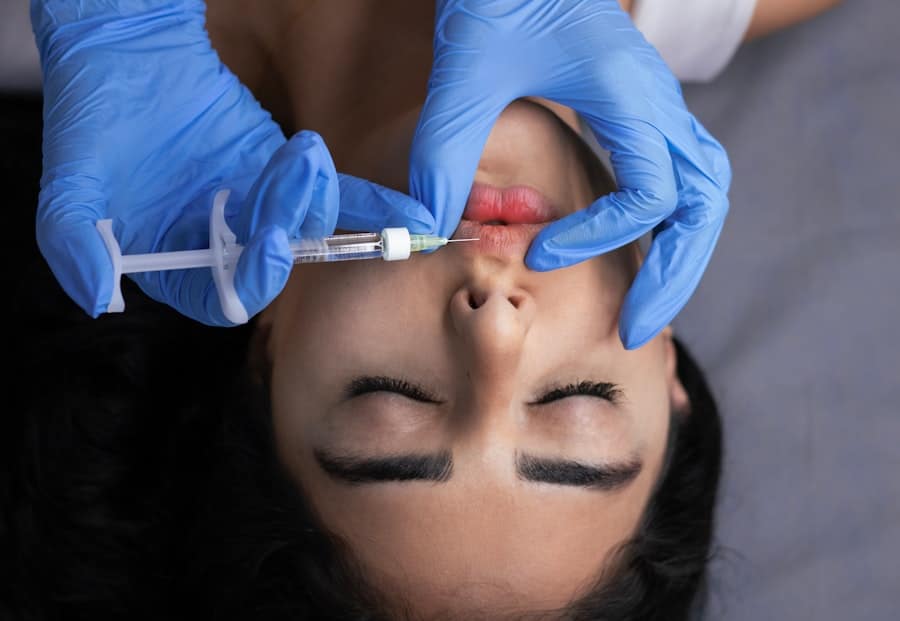
The recovery process for revision rhinoplasty can be similar to, and sometimes more prolonged than, that of a primary rhinoplasty. Patience and adherence to post-operative instructions are key.
The Healing Timeline
Understanding what to expect in the weeks and months following surgery will help you manage your recovery.
Post-Operative Care and Expectations
- Immediate Post-Op: You will likely experience swelling, bruising, and discomfort. A splint will be placed on the outside of your nose to protect it and help it maintain its new shape. Packing may be placed inside your nostrils. You will be given specific instructions on managing pain, avoiding certain activities, and keeping your incisions clean.
- First Few Weeks: Swelling and bruising will gradually subside. You will have follow-up appointments with your surgeon to monitor your progress and remove any sutures or packing. Most strenuous activities should be avoided during this period.
- First Few Months: Significant swelling will decrease, and you’ll start to see the initial results of the surgery. However, residual swelling, particularly in the tip of the nose, can persist for several months. It’s important to remember that the nose is still settling into its new form.
- Full Healing: It can take up to a year or even longer for the swelling to fully resolve and for the final results of revision rhinoplasty to become apparent. The tissues need time to remodel and integrate.
Managing Swelling and Discomfort
Effective management of swelling and discomfort is crucial for a smoother recovery.
Tips for a Comfortable Recovery
- Follow Your Surgeon’s Instructions Precisely: This includes taking prescribed medications for pain and any antibiotics, using cold compresses as directed, and keeping your head elevated.
- Rest: Adequate rest is essential for your body to heal. Avoid activities that could put stress on your nose or increase your heart rate.
- Avoid Blowing Your Nose: Until your surgeon explicitly permits it, avoid blowing your nose forcefully, as this can disrupt the healing tissues.
- Protect Your Nose: Be mindful of your surroundings to avoid accidental bumps or injuries to your nose.
- Healthy Diet and Hydration: Maintaining a healthy diet and staying well-hydrated supports the body’s healing processes.
Choosing the Right Surgeon in Gilbert, AZ
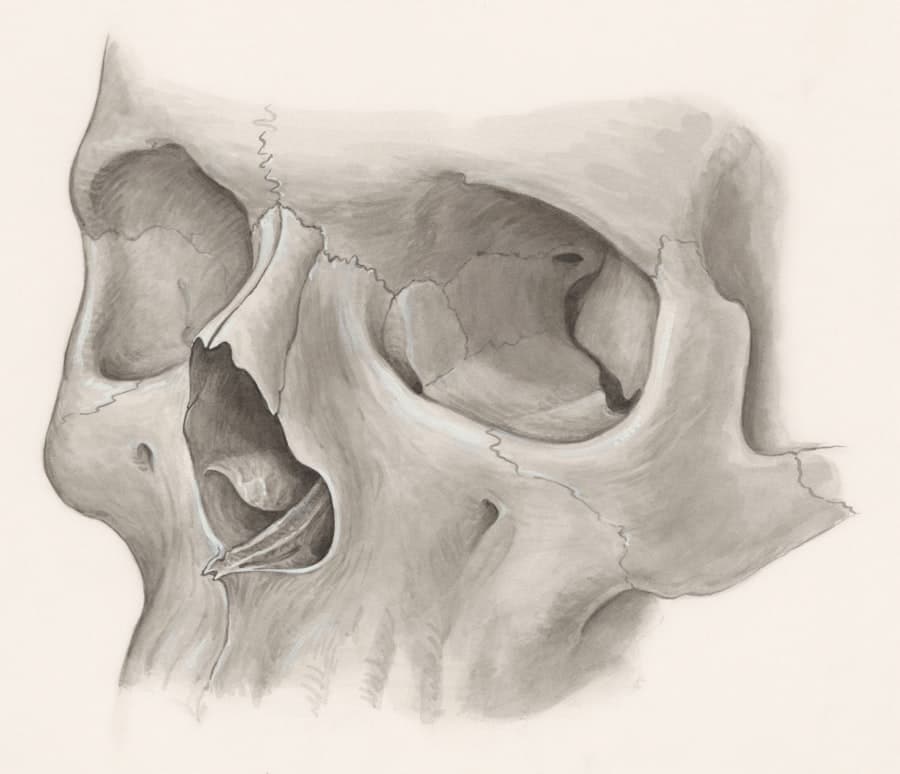
Selecting a qualified and experienced surgeon is the most critical step in your revision rhinoplasty journey, especially when looking in specific geographic areas like Gilbert, Arizona, and its vicinity.
Finding a Specialist
Your approach to finding a surgeon in the Agritopia area of Gilbert should be thorough and focused.
Researching and Vetting Potential Candidates
- Board Certification: Ensure your surgeon is board-certified by a recognized surgical board, such as the American Board of Plastic Surgery or the American Board of Facial Plastic and Reconstructive Surgery. This indicates they have met rigorous standards of training and competency.
- Specialization in Rhinoplasty: Look for surgeons who specifically highlight revision rhinoplasty as a significant part of their practice. They should have a deep understanding of the complexities involved.
- Experience with Revision Cases: Inquire about the surgeon’s experience specifically with revision rhinoplasty. Ask how many such procedures they perform annually and review their before-and-after portfolio, paying close attention to revision cases.
- Patient Testimonials and Reviews: While not the sole deciding factor, patient reviews on independent platforms can offer insights into other patients’ experiences. Look for consistent themes regarding patient care, surgical outcomes, and communication.
- Consultation Quality: The initial consultation is a crucial indicator. Does the surgeon listen to your concerns? Do they explain the procedure, risks, and expected outcomes in a clear and understandable manner? Do they seem confident and knowledgeable about revision cases? You should feel comfortable and confident in their ability.
- Hospital Affiliation: Where does the surgeon have admitting privileges? This can indicate the quality of the facilities where your surgery might take place.
Proximity to Agritopia and Surrounding Areas
Considering your location near Agritopia in Gilbert, AZ, you’ll want to find a surgeon whose practice is conveniently located or accessible.
Factors to Consider for Location
- Local Expertise: While expertise is the paramount concern, having a surgeon whose practice is relatively accessible can simplify pre- and post-operative appointments. Gilbert, AZ, and its surrounding communities likely have qualified surgeons.
- Travel Considerations: If you find an exceptional surgeon slightly further afield, consider the logistics of travel for multiple appointments. It might be feasible to schedule appointments in a concentrated manner.
- Understanding the Local Patient Population: Surgeons practicing in areas like Gilbert may have a good understanding of the demographic and aesthetic preferences of the local population.
If you’re considering revision rhinoplasty near Agritopia in Gilbert, AZ, you might also be interested in addressing other aesthetic concerns, such as signs of aging. A recent article discusses how to tackle neck aging effectively, which can complement your facial enhancements beautifully. For more insights, check out this informative piece on how to rejuvenate your appearance during this season by visiting this article.
Potential Risks and Considerations
| Metrics | Data |
|---|---|
| Number of Revision Rhinoplasty procedures | — |
| Success rate of Revision Rhinoplasty | — |
| Cost of Revision Rhinoplasty | — |
| Recovery time for Revision Rhinoplasty | — |
Revision rhinoplasty, like any surgical procedure, carries inherent risks. It’s essential to be fully informed and prepared.
Understanding the Complications
A thorough discussion with your surgeon about potential risks is a non-negotiable part of the process.
Informed Consent and Risk Assessment
- Infection: As with any surgery, there is a risk of infection. This is managed with sterile techniques and often prophylactic antibiotics.
- Bleeding (Hematoma): Excessive bleeding can occur, potentially requiring further intervention.
- Poor Wound Healing: In rare cases, wound healing can be compromised, especially in patients with certain medical conditions or those who smoke.
- Numbness or Changes in Sensation: Temporary or, in rare cases, permanent changes in sensation around the nose can occur.
- Anesthesia Risks: All surgical procedures involving anesthesia carry inherent risks, which your anesthesiologist will discuss with you.
- Unsatisfactory Aesthetic or Functional Outcome: Despite the surgeon’s best efforts, there’s a possibility that the revision may not fully meet your expectations, or new functional issues could arise. This is why clear communication and realistic expectations are so vital.
- Need for Further Revision: In some instances, a second revision surgery might be necessary to refine the results further. This is more common in revision cases than in primary rhinoplasty.
Long-Term Outlook and Maintenance
The long-term success of your revision rhinoplasty depends on both the surgical outcome and your commitment to aftercare.
Maintaining Your Results
- Follow-Up Appointments: Attending all scheduled follow-up appointments is crucial for the surgeon to monitor your healing and the long-term stability of the results.
- Protecting Your Nose: Continuing to protect your nose from trauma, even long after the initial healing period, is important for preserving the surgical outcome.
- Sun Protection: Prolonged sun exposure can affect the healing and appearance of scar tissue. Using sunscreen regularly is advisable.
- Realistic Expectations for Aging: It’s important to remember that the natural aging process will continue to affect your facial features over time, including your nose. The goal of revision rhinoplasty is to create a refined and functional nose that holds up well over time, but it doesn’t halt the aging process.
FAQs
What is revision rhinoplasty?
Revision rhinoplasty, also known as secondary rhinoplasty, is a surgical procedure performed to correct or revise the results of a previous rhinoplasty surgery. It is often done to address aesthetic concerns or functional issues that were not adequately resolved in the initial procedure.
How do I know if I need revision rhinoplasty?
You may consider revision rhinoplasty if you are unhappy with the results of a previous rhinoplasty surgery, or if you are experiencing breathing difficulties or other functional issues as a result of the initial procedure. It is important to consult with a qualified plastic surgeon to determine if revision rhinoplasty is the right option for you.
What should I look for in a surgeon for revision rhinoplasty near Agritopia, Gilbert, AZ?
When seeking a surgeon for revision rhinoplasty near Agritopia, Gilbert, AZ, it is important to look for a board-certified plastic surgeon with extensive experience in rhinoplasty and revision rhinoplasty procedures. Additionally, you should seek out a surgeon who has a track record of successful outcomes and a strong reputation within the local community.
What can I expect during the recovery period after revision rhinoplasty?
The recovery period after revision rhinoplasty is similar to that of the initial rhinoplasty procedure. Patients can expect some swelling, bruising, and discomfort in the days following surgery. It is important to follow your surgeon’s post-operative instructions and attend all follow-up appointments to ensure a smooth and successful recovery.
What are the potential risks and complications associated with revision rhinoplasty?
As with any surgical procedure, there are potential risks and complications associated with revision rhinoplasty. These may include infection, bleeding, adverse reactions to anesthesia, and unsatisfactory aesthetic or functional outcomes. It is important to discuss these risks with your surgeon and carefully weigh the potential benefits and drawbacks of the procedure before making a decision.