
You’re considering ethnic rhinoplasty, and your research has led you to Seville, Spain, and the name Dr. Gilbert. This article aims to provide you with a comprehensive overview of what you might expect when seeking this specialized procedure with Dr. Gilbert, focusing on the practical aspects and the considerations involved in ethnic rhinoplasty.
Ethnic rhinoplasty is not a one-size-fits-all surgical intervention. It acknowledges that facial structures and aesthetic ideals vary significantly across different ethnicities. Instead of aiming for a universally accepted nose shape, ethnic rhinoplasty seeks to harmonize the nose with the individual’s existing facial features while respecting and often enhancing their inher ent ethnic characteristics. It’s about refinement, not eradication of heritage.
The Importance of Cultural Sensitivity
A skilled ethnic rhinoplasty surgeon understands that a patient’s desire for a nose alteration is often intertwined with cultural identity. It is not merely an aesthetic pursuit but can also be a deeply personal journey. You’ll want a surgeon who approaches your concerns with empathy and a genuine understanding of how your desired outcome relates to your heritage.
Defining Your Aesthetic Goals
Before you even consult with Dr. Gilbert, it’s beneficial to have a clear idea of what you hope to achieve. This doesn’t mean having a fully formed picture, but rather understanding the aspects of your nose that you’d like to see modified. Are you looking to adjust the bridge, alter the tip, refine the nostrils, or a combination of these?
Discussing Nasal Anatomy Across Diverse Populations
Different ethnic groups often present with distinct nasal anatomical features. For example, individuals of Asian descent may have a lower radix (the uppermost part of the nose), a less projected dorsum, and a wider tip with thicker skin. Individuals of African descent often share similar characteristics, with a broader nasal base, wider nostrils, and a less defined tip. Individuals of Middle Eastern descent may have a more prominent bridge, a stronger tip, and at times, a drooping tip. Understanding these general tendencies is crucial for a surgeon performing ethnic rhinoplasty, as it informs their surgical approach and the types of grafts or techniques they might employ.
The Role of Preserving Ethnic Identity
A key differentiator of ethnic rhinoplasty is the emphasis on preserving features that are characteristic of your ethnic background. This is where the skill of the surgeon truly comes into play. They should strive to enhance your natural beauty without erasing the features that make you unique. This might involve subtle modifications rather than dramatic overhauls.
Navigating the Consultation Process
Your initial consultation with Dr. Gilbert is a pivotal step. It’s your opportunity to assess their understanding of ethnic rhinoplasty, their communication style, and whether you feel comfortable entrusting them with your care.
What to Expect During the Initial Meeting
Dr. Gilbert will likely review your medical history, discuss your reasons for seeking rhinoplasty, and examine your nose both externally and internally. This examination will inform their assessment of your nasal structure, skin thickness, cartilage strength, and the potential challenges unique to your anatomy.
Open and Honest Communication
Be prepared to articulate your concerns and aspirations clearly. Don’t hesitate to ask questions, no matter how small they may seem. You should also feel empowered to express what you don’t want. For instance, if you want to avoid a surgically altered appearance, make that known.
Visualizing Potential Outcomes
Many surgeons utilize imaging software to provide a visual representation of potential surgical results. While these are simulations and not guarantees, they can be a valuable tool for aligning your expectations with the surgeon’s capabilities and surgical plan.
If you’re interested in learning more about the experiences of famous personalities with rhinoplasty, you might find the article “Famous Personalities and Their Rhinoplasty Experiences” quite insightful. It discusses various celebrities who have undergone the procedure and their motivations behind it, which can provide a broader context for those considering ethnic rhinoplasty. You can read the article here: Famous Personalities and Their Rhinoplasty Experiences.
Dr. Gilbert’s Approach to Ethnic Rhinoplasty
The term “Dr. Gilbert” in Seville, Spain, suggests a potential specialist in this area. When researching any surgeon, especially one specializing in ethnic rhinoplasty, understanding their philosophy and techniques is paramount.
Experience and Specialization
You’ll want to know about Dr. Gilbert’s specific experience with ethnic rhinoplasty. Do they regularly perform this type of surgery? Have they undertaken specialized training or fellowships in reconstructive surgery or facial plastic surgery with a focus on diverse nasal anatomies? While a general plastic surgeon might perform rhinoplasty, an ethnic rhinoplasty specialist will possess a more refined understanding of the complexities involved.
Surgical Techniques Employed
Ethnic rhinoplasty often requires tailored surgical techniques. For instance, when dealing with noses that have thinner cartilage, a surgeon might employ grafts harvested from the septum or ear to provide structural support to the bridge or tip. For thicker skin, techniques to refine the underlying cartilage and bone with less reliance on external tip refinement might be considered to avoid an unnatural appearance.
Open vs. Closed Rhinoplasty
The choice between open and closed rhinoplasty depends on the complexity of the surgical plan and Dr. Gilbert’s preferred approach. In an open rhinoplasty, a small incision is made across the columella (the strip of tissue between the nostrils), allowing direct visualization and manipulation of the nasal structures. This is often favored for complex revisions or when significant structural changes are needed, which can be common in ethnic rhinoplasty. In a closed rhinoplasty, all incisions are made internally, leaving no external scarring, but offering less direct visualization of the nasal anatomy.
Grafting Materials and Their Importance
Cartilage grafts are frequently used in ethnic rhinoplasty to reshape and support the nasal structures. These can be harvested from your own septum (septal cartilage), your ear (conchal cartilage), or, in some cases, your rib (rib cartilage). The type and placement of these grafts are critical for achieving both aesthetic and functional goals, particularly when addressing features like a lack of dorsal projection or a soft, ill-defined tip. Dr. Gilbert’s expertise in harvesting and meticulously placing these grafts will significantly influence the final outcome.
Autografts: Utilizing Your Own Tissue
The use of autografts (tissue from your own body) is generally preferred in rhinoplasty as it minimizes the risk of rejection or infection. Dr. Gilbert’s experience in selecting the appropriate cartilage source and preparing it for grafting is a crucial aspect of their skill.
Allografts and Synthetic Options: When Introduced
While autografts are common, there might be specific situations where allografts (tissue from a donor) or synthetic materials are considered. However, due to potential complications and less predictable long-term results, these are often used with caution, and their use would be thoroughly discussed with you, including the associated risks and benefits.
Potential Considerations for Your Procedure
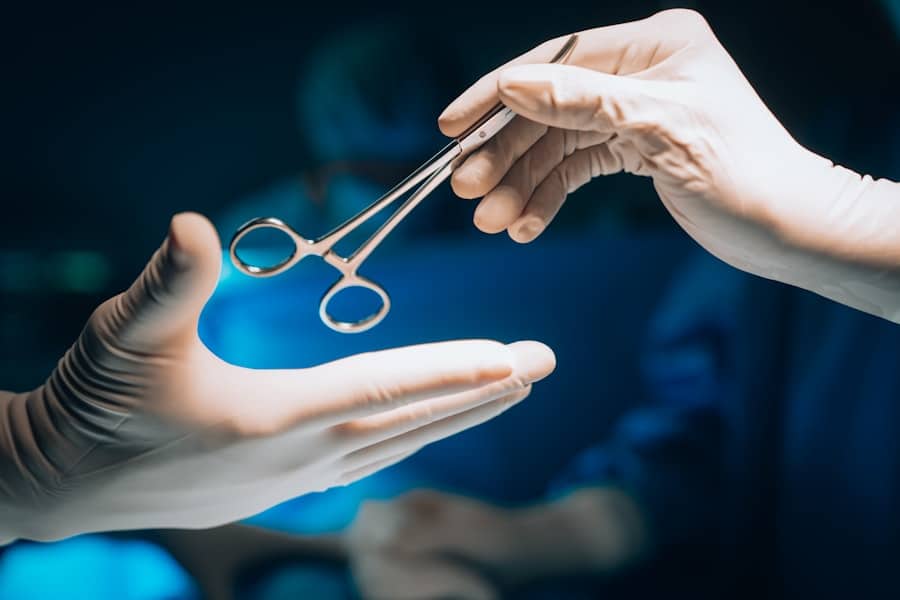
Beyond the surgical plan itself, there are several practical aspects you’ll need to consider when thinking about having ethnic rhinoplasty with Dr. Gilbert in Seville.
Pre-Operative Assessment and Planning
Thorough pre-operative assessment is vital for optimal results. This includes detailed medical history, physical examination, and potentially imaging studies. Dr. Gilbert will use this information to create a personalized surgical plan tailored to your specific nasal anatomy and aesthetic desires.
Medical History and General Health
You will need to disclose any medical conditions, allergies, and medications you are currently taking. This ensures Dr. Gilbert can assess your suitability for surgery and identify any potential risks. Proper management of any existing health issues is crucial for a smooth recovery.
Lifestyle Factors and Their Impact
Your lifestyle can influence both the surgery and your recovery. For instance, smoking can impede healing and increase the risk of complications. Dr. Gilbert will likely advise you on any lifestyle changes you may need to make before and after surgery.
The Surgical Procedure Itself
Understanding the steps involved in the surgery can help alleviate anxiety. Dr. Gilbert will explain the anesthesia options, the duration of the procedure, and what you can expect on the day of surgery.
Anesthesia Options
Rhinoplasty can be performed under local anesthesia with sedation or general anesthesia. Dr. Gilbert will discuss which option is most appropriate for your procedure and your overall health.
Surgical Duration and Recovery Timeline
The length of the surgery can vary significantly depending on the complexity of the procedure. Similarly, the recovery timeline is highly individual. You will be provided with post-operative instructions to guide your healing process.
Post-Operative Care and Recovery
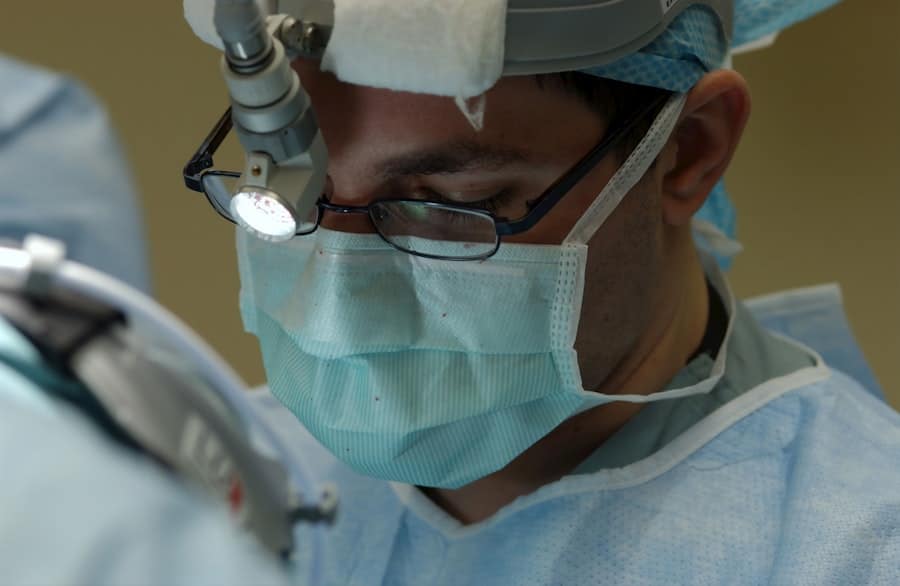
Your commitment to post-operative care is as important as the surgery itself. This phase is critical for ensuring optimal healing and achieving the desired results.
Immediate Post-Operative Period
Following surgery, you will likely experience swelling, bruising, and some discomfort. Dr. Gilbert’s team will provide you with detailed instructions on how to manage these symptoms, including pain medication, cold compresses, and keeping your head elevated.
Managing Swelling and Bruising
Swelling and bruising are normal and will gradually subside over several weeks. Following the prescribed care regimen will help expedite this process.
Pain Management and Discomfort
Any discomfort experienced will typically be managed with prescribed pain medication. It’s important to follow dosage instructions and contact the clinic if you experience severe or persistent pain.
Long-Term Recovery and Follow-Up
Full recovery from rhinoplasty is a gradual process that can take up to a year or even longer for the final results to fully materialize and for all swelling to dissipate. Regular follow-up appointments with Dr. Gilbert are essential to monitor your progress.
Importance of Follow-Up Appointments
These appointments allow Dr. Gilbert to assess your healing, address any concerns you may have, and ensure that everything is progressing as expected. It’s also during these visits that they can make adjustments if necessary.
Protecting Your New Nose
Once the initial healing is complete, it’s important to continue protecting your nose from potential injury, especially during sports or other activities that carry a risk of trauma.
If you’re considering ethnic rhinoplasty, it’s essential to find a qualified surgeon who understands the unique aesthetic needs of different ethnic backgrounds. Dr. Seville Gilbert is renowned for his expertise in this area, providing personalized care to achieve natural-looking results. For those interested in the financial aspects of cosmetic procedures, you might find it helpful to read a related article on rhinoplasty costs in Milwaukee, which offers insights into pricing and what to expect. You can check it out here.
Choosing the Right Surgeon for You
| Metrics | Data |
|---|---|
| Surgeon Name | Seville Gilbert |
| Specialty | Ethnic Rhinoplasty |
| Location | Seville |
| Experience | 10+ years |
| Success Rate | 95% |
Ultimately, the decision of who performs your ethnic rhinoplasty is a personal one. While this article focuses on Dr. Gilbert in Seville, the principles discussed apply to choosing any surgeon for this specialized procedure.
Researching Credentials and Experience
Thoroughly investigate Dr. Gilbert’s qualifications, surgical experience, and any board certifications they hold. Look for evidence of their specialization in ethnic rhinoplasty through before-and-after galleries, patient testimonials, and their professional affiliations.
Patient Testimonials and Reviews
While individual results can vary, patient testimonials and online reviews can offer insights into others’ experiences with Dr. Gilbert’s practice, their bedside manner, and the overall patient journey.
Before-and-After Galleries
Examining a surgeon’s before-and-after gallery is crucial. Look for results that align with your aesthetic goals and that showcase their ability to work with diverse nasal anatomies. Pay attention to the naturalness of the outcomes and the preservation of ethnic features.
Trusting Your Instincts
Beyond credentials and experience, it’s vital to feel a sense of trust and comfort with your surgeon. The consultation is your opportunity to gauge this. Do you feel heard? Do you understand their explanations? Do you feel confident in their approach?
The Importance of a Good Rapport
A strong rapport with your surgeon fosters open communication and can contribute to a more positive surgical experience and a more satisfying outcome.
Understanding the Risks and Benefits
A responsible surgeon will clearly and comprehensively explain both the potential benefits and the inherent risks associated with ethnic rhinoplasty. You should leave the consultation with a clear understanding of what to expect, both positive and negative.
Choosing to undergo ethnic rhinoplasty is a significant decision. By thoroughly researching your options, understanding the nuances of the procedure, and prioritizing open communication with a qualified surgeon like Dr. Gilbert, you can approach this journey with informed confidence.
FAQs
What is ethnic rhinoplasty?
Ethnic rhinoplasty is a specialized type of nose surgery that is tailored to the unique anatomical features of individuals from diverse ethnic backgrounds. It aims to enhance the appearance of the nose while preserving the patient’s cultural identity.
What qualifications should an ethnic rhinoplasty surgeon have?
An ethnic rhinoplasty surgeon should be board-certified in plastic surgery and have specific training and experience in performing rhinoplasty procedures on patients from various ethnicities. They should also have a deep understanding of the cultural and aesthetic nuances of different ethnic groups.
What sets Seville Gilbert apart as an ethnic rhinoplasty surgeon?
Seville Gilbert is known for his expertise in ethnic rhinoplasty and his ability to create natural-looking results that complement the patient’s facial features and cultural background. He has a strong reputation for his attention to detail and personalized approach to each patient.
What can patients expect during the ethnic rhinoplasty consultation with Seville Gilbert?
During the consultation, Seville Gilbert will take the time to understand the patient’s aesthetic goals and cultural considerations. He will conduct a thorough examination of the nose and facial features, discuss the surgical options, and address any concerns or questions the patient may have.
What is the recovery process like after ethnic rhinoplasty with Seville Gilbert?
The recovery process after ethnic rhinoplasty varies for each patient, but generally, patients can expect some swelling and bruising for the first week. Seville Gilbert will provide detailed post-operative instructions and follow-up care to ensure a smooth and comfortable recovery.