
You are considering revision rhinoplasty in Peoria, Arizona, and it’s a significant decision. You’ve already undergone a primary rhinoplasty, and now you’re seeking to address lingering concerns or unsatisfactory results. This process demands careful consideration, a clear understanding of your goals, and the selection of a surgeon with specific expertise in secondary nasal surgery. This article aims to provide you with comprehensive information to navigate this complex journey.
Revision rhinoplasty, also known as secondary or tertiary rhinoplasty, is a surgical procedure performed to correct or improve the outcome of a previous rhinoplasty. Unlike a primary rhinoplasty where the nasal structures are being altered for the first time, revision cases are inherently more complex. This is due to the presence of scar tissue, altered anatomy, and potentially reduced cartilage availability from the initial surgery. Your journey to revision rhinoplasty likely stems from a desire to enhance both the functional and aesthetic aspects of your nose. Perhaps there are issues with breathing, asymmetry, irregularities, or a shape that doesn’t align with your expectations.
Why A Previous Rhinoplasty Might Require Revision
It’s important to approach the concept of revision rhinoplasty without assigning blame. Surgeons strive for optimal outcomes, but the delicate nature of nasal surgery means that complications or unpredicted healing can occur. Understanding the common reasons for revision can help you articulate your concerns to potential surgeons.
Common Functional Issues
Breathing difficulties are a prevalent reason for revision. The initial surgery may have inadvertently narrowed the nasal passages, compromised the internal valves, or led to scarring that obstructs airflow. You might experience nasal congestion, reduced airflow during exercise, or a feeling of being unable to breathe fully through one or both nostrils.
Common Aesthetic Concerns
Aesthetic dissatisfaction can range from subtle to significant. You might be unhappy with the overall shape, the tip projection, the width of the bridge, or the symmetry of your nose. Small asymmetries that were not apparent or bothersome before might become more noticeable after the primary surgery. Scarring within the nose can also contribute to an unnatural appearance.
The Complexity of Revision Cases
You need to be aware that revision rhinoplasty is not a simple repeat of the initial procedure. The surgical field has already been manipulated, and the underlying tissue is often more fragile. This means the surgeon must be exceptionally skilled and experienced in identifying and addressing the specific issues your nose presents.
Scar Tissue and Its Impact
Scar tissue forms as part of the normal healing process, but in the nasal area, it can cause contraction, distortion, and rigidity. This fibrous tissue can limit the surgeon’s ability to reshape the cartilage and can also contribute to functional problems.
Cartilage Availability and Quality
In a primary rhinoplasty, cartilage is often harvested from the septum (the wall dividing the nostrils) to be used as grafts. In revision cases, this cartilage may be depleted or of compromised quality due to the previous surgery. This means the surgeon might need to source cartilage from other areas, such as the ear or rib, which adds another layer of complexity.
If you’re considering revision rhinoplasty in Peoria, Arizona, it’s essential to understand the various factors that can influence your decision and outcomes. An insightful article that discusses the relationship between sinus surgery and rhinoplasty is available at this link. This resource provides valuable information on how these two procedures can be combined for improved results, which may be particularly relevant for those seeking revision surgery to address both aesthetic and functional concerns.
Choosing Your Revision Rhinoplasty Surgeon in Peoria, Arizona
The selection of your surgeon is arguably the most critical step in your revision rhinoplasty journey. You are not looking for just any plastic surgeon; you are seeking a specialist with a proven track record in revision rhinoplasty. Given the inherent complexities, experience and specific training in secondary nasal surgery are paramount.
The Importance of Specialized Experience
Not all surgeons who perform primary rhinoplasty have extensive experience with revision cases. Revision rhinoplasty demands a deeper understanding of nasal anatomy, scar tissue management, and advanced grafting techniques. A surgeon who regularly performs revision procedures will have encountered a wider range of challenges and developed the nuanced skills needed to address them.
Seeking Board Certification and Fellowship Training
Board certification in plastic surgery or facial plastic surgery is a baseline requirement. However, you should look beyond this. Some surgeons pursue further fellowship training specifically in rhinoplasty or reconstructive surgery, which often includes a significant focus on revision cases. This specialized training signifies a commitment to advancing their knowledge and skills in this particular area.
Reviewing a Surgeon’s Portfolio and Patient Testimonials
A surgeon’s before-and-after gallery is an invaluable tool. Look for examples of revision rhinoplasty specifically. Do the results align with the aesthetic goals you have in mind? Are the improvements you see in other patients similar to the corrections you hope to achieve? Beyond the visuals, seeking out patient testimonials and reviews can offer insights into their experiences, focusing on aspects like communication, pre-operative care, and post-operative satisfaction with the surgical outcome.
The Consultation Process: What to Expect
Your consultation is your opportunity to assess the surgeon’s expertise and for them to evaluate your unique nasal anatomy and concerns. Be prepared to discuss your goals openly and honestly.
Detailed Nasal Analysis
A thorough examination of your nose, both externally and internally, is essential. The surgeon will likely use advanced imaging techniques, such as CT scans, to assess the internal nasal structures and identify any underlying breathing issues. They will also discuss the outcomes of your previous surgery and any complications you experienced.
Discussing Your Goals and Expectations
Clearly articulate what you hope to achieve with revision rhinoplasty. Be realistic about what can be accomplished. A good surgeon will manage your expectations and provide a clear plan of action. Avoid making comparisons to celebrity noses or unrealistic ideals. Focus on how you want your nose to function and look in relation to your facial features.
Understanding the Surgical Plan and Potential Risks
The surgeon will outline their proposed surgical approach, including the techniques they plan to use and where any necessary grafts might be sourced from. They will also discuss the potential risks and complications associated with revision rhinoplasty, which are generally higher than with primary surgery. This open discussion is crucial for informed consent.
The Surgical Procedure and Recovery
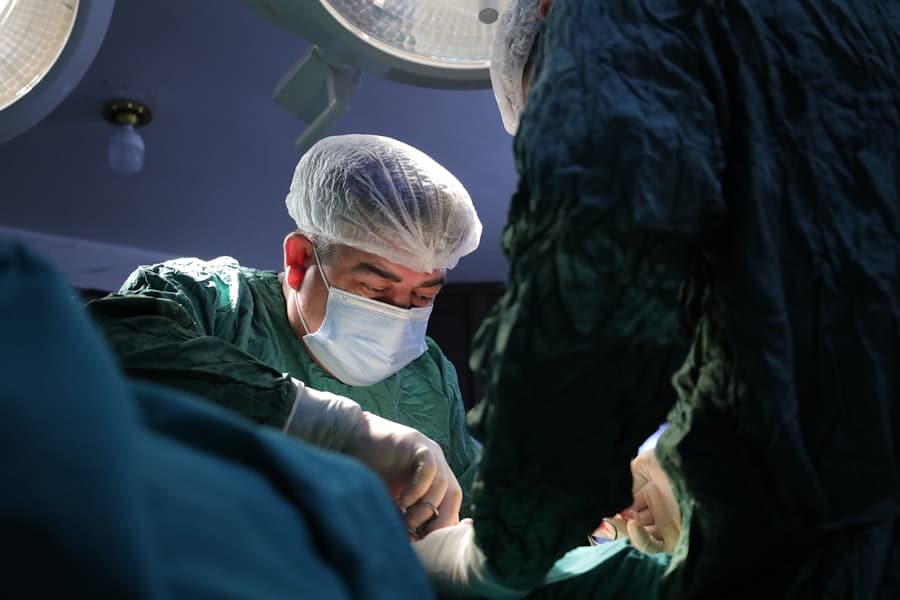
Revision rhinoplasty is typically performed under general anesthesia. The surgical techniques employed will depend on the specific issues that need to be addressed. Recovery is a crucial phase, and understanding what to expect will help you manage it effectively.
Surgical Techniques in Revision Rhinoplasty
The complexity of your revision means the surgical approach will be tailored to your individual needs. Surgeons may employ a variety of techniques to reconstruct and reshape the nose.
Open vs. Closed Rhinoplasty in Revision Cases
While a closed approach is sometimes used in revision cases, the open technique is often preferred. This involves a small incision at the columella (the strip of tissue between the nostrils), which allows the surgeon to directly visualize and manipulate the nasal structures. This increased exposure is often necessary for precise correction of deformities and for the placement of grafts.
Grafting Materials for Reconstruction
When cartilage is needed to rebuild or reshape the nose, grafts are essential. The source of these grafts is a critical consideration in revision rhinoplasty.
Septal Cartilage (If Available)
If sufficient healthy cartilage remains in the septum, it may be used. However, as mentioned, it’s often compromised in revision cases.
Ear Cartilage
Cartilage from the ear is a common and effective source for nasal grafts, particularly for tip refinement and augmentation. It has a good structural integrity and is readily available.
Rib Cartilage
For more significant structural support or augmentation, rib cartilage may be necessary. This is a thicker and more rigid cartilage that provides strong support. However, it can sometimes lead to a more noticeable or less natural feel compared to septal or ear cartilage. The surgeon will discuss the pros and cons of each source for your specific needs.
The Recovery Process
Recovery from revision rhinoplasty can be longer and sometimes more uncomfortable than from a primary procedure. Patience and adherence to post-operative instructions are key.
Immediate Post-Operative Care
Immediately after surgery, your nose will be dressed with a splint and packing. You will experience swelling, bruising, and discomfort. Pain medication will be prescribed to manage any pain. You’ll need to keep your head elevated to minimize swelling.
Swelling and Bruising Timeline
Bruising and swelling are typically at their peak in the first week or two after surgery. The bruising will gradually fade, and the swelling will begin to subside, though it can take many months, and sometimes over a year, for all swelling to completely resolve and for the final results to become apparent.
Resuming Normal Activities
You will likely need to take at least two weeks off from work or strenuous activities. Light walking is encouraged to promote circulation and healing. You will need to avoid any activities that could lead to trauma to the nose, including contact sports.
Long-Term Healing and Final Results
The healing process is gradual. While the most significant changes in appearance will be noticeable after a few months, the subtle refinement of your nose can continue for up to 18 months or even longer. It is crucial to attend all follow-up appointments with your surgeon to monitor your healing progress.
Potential Challenges and Realistic Expectations
It is vital to approach revision rhinoplasty with realistic expectations. While the goal is improvement, it’s important to understand the limitations and potential challenges associated with secondary nasal surgery.
Understanding Scar Tissue and Its Impact on Outcomes
As you know, scar tissue is a significant factor in revision rhinoplasty. It can make the tissues less pliable and more prone to unpredictable healing. This can influence the final shape and symmetry of the nose.
Managing Scar Tissue During Surgery
Your surgeon will employ techniques to minimize the formation of new scar tissue and to carefully dissect around existing scar tissue to allow for reshaping and reconstruction. However, the body’s natural response to surgery is scar formation, and its extent can vary from person to person.
Potential for Further Scarring and Revision
In some cases, despite the surgeon’s best efforts, further scar tissue can form, or the initial correction may not be perfect, potentially necessitating further revisions in the future. This is why choosing a highly experienced surgeon is so important – to minimize the likelihood of needing future interventions.
The Importance of Patience and Realistic Goals
The journey to achieving your desired outcome with revision rhinoplasty requires significant patience. The healing process is lengthy, and the final results may not be immediately apparent.
Why Final Results Can Take Over a Year
The nose is a complex structure with intricate cartilage and soft tissue components. Swelling can mask the true shape of the nose for extended periods. Grafted cartilage also needs time to integrate and remodel. This gradual process is why surgeons often state that the final results can take 12 to 18 months or even longer to fully emerge.
Avoiding Unrealistic Expectations
It is important to have a constructive dialogue with your surgeon about what is achievable. While revision rhinoplasty can significantly improve both the appearance and function of your nose, it is not about achieving an “ideal” nose but rather a nose that is aesthetically pleasing, functions well, and is in harmony with your facial features. Avoid comparing your results to idealized images and focus on the specific improvements you are seeking.
If you’re considering a revision rhinoplasty surgeon in Peoria, Arizona, it’s essential to understand the various factors that can influence the overall cost and potential insurance coverage for the procedure. For more insights on how insurance may play a role in your decision-making process, you can read a related article that discusses this topic in detail. Understanding these aspects can help you make an informed choice about your surgery and its financial implications. For more information, check out the article on insurance coverage for rhinoplasty.
Financing and Before Committing to Revision Rhinoplasty
| Metrics | Data |
|---|---|
| Number of Revision Rhinoplasty Surgeries | 50 |
| Success Rate | 90% |
| Years of Experience | 15 |
| Patient Satisfaction Rate | 95% |
Revision rhinoplasty is a significant investment of both time and financial resources. Understanding the costs involved and ensuring you are fully committed before proceeding is crucial.
Understanding the Costs Associated with Revision Rhinoplasty
The cost of revision rhinoplasty can vary significantly based on the surgeon’s experience, the complexity of the procedure, the facility fees, and any pre-operative or post-operative care required.
Surgeon’s Fees
The surgeon’s fee will reflect their expertise, experience, and the time spent performing the procedure. Revision cases often command higher fees due to their inherent complexity.
Anesthesia and Facility Fees
These costs are associated with the operating room, anesthesia administration, and the surgical team’s support staff.
Pre- and Post-Operative Expenses
This can include consultations, potential diagnostic imaging (like CT scans), medications, and any specialized post-operative care items.
Insurance Coverage and Out-of-Pocket Expenses
The extent to which insurance covers revision rhinoplasty depends on the primary reason for the surgery.
Functional vs. Aesthetic Revisions
If the revision is primarily to correct functional breathing problems, insurance may cover a portion of the costs. Revisions for purely aesthetic reasons are generally not covered by insurance. It is essential to verify your insurance policy and consult with the insurance provider to understand what, if any, coverage you can expect.
Payment Plans and Financing Options
Many surgical practices offer payment plans or work with third-party financing companies to help patients manage the cost of elective procedures. Inquire about these options during your consultation.
The Commitment to Recovery and Long-Term Satisfaction
Revision rhinoplasty is not a decision to be taken lightly. You are committing to a significant surgical procedure, a potentially extended recovery period, and the ongoing process of healing and settling.
Ensuring You Are Ready for the Process
Reflect on your motivations and ensure you are mentally and emotionally prepared for the challenges of recovery and the possibility that the final results may require further refinement or adjustments.
Communicating With Your Loved Ones
Discussing your decision with your support network is important. Having understanding family and friends can be invaluable during the recovery period.
By thoroughly understanding the complexities, carefully selecting your surgeon in Peoria, Arizona, and maintaining realistic expectations, you are taking the necessary steps toward achieving a successful outcome with your revision rhinoplasty.
FAQs
What is revision rhinoplasty?
Revision rhinoplasty is a surgical procedure performed to correct or improve the results of a previous rhinoplasty surgery. It is often necessary when the initial surgery did not achieve the desired outcome or resulted in complications.
What qualifications should a revision rhinoplasty surgeon have?
A revision rhinoplasty surgeon should be board-certified in plastic surgery or otolaryngology (ear, nose, and throat) with specialized training and experience in rhinoplasty and revision rhinoplasty procedures. They should also have a proven track record of successful revision surgeries.
What are the common reasons for undergoing revision rhinoplasty?
Common reasons for undergoing revision rhinoplasty include dissatisfaction with the aesthetic results of the initial surgery, functional issues such as breathing difficulties, or complications such as asymmetry, scarring, or nasal collapse.
What is the recovery process like after revision rhinoplasty?
The recovery process after revision rhinoplasty is similar to that of primary rhinoplasty, with swelling, bruising, and discomfort expected for the first few weeks. Patients will need to follow post-operative care instructions provided by their surgeon and attend follow-up appointments for monitoring.
How can I find a qualified revision rhinoplasty surgeon in Peoria, Arizona?
To find a qualified revision rhinoplasty surgeon in Peoria, Arizona, individuals can research board-certified plastic surgeons or otolaryngologists with expertise in rhinoplasty and revision procedures. It is important to schedule consultations with potential surgeons to discuss their experience, approach, and patient satisfaction rates.