
You are considering open rhinoplasty, and you reside in or near Peoria, Arizona. Perhaps you’ve searched for “open rhinoplasty surgeon Peoria Arizona” and found yourself here. This guide aims to provide you with a comprehensive understanding of open rhinoplasty, the considerations when choosing a surgeon in your area, and what you can expect throughout the process.
Open rhinoplasty is a surgical technique used to reshape and refine the nose. It is characterized by a small incision made across the columella, the strip of skin between your nostrils. This approach provides your surgeon with direct and unobstructed visibility of the nasal structures, allowing for more intricate and precise modifications.
The Incision and Its Purpose
The external incision, though initially a concern for many, is strategically placed and typically heals remarkably well. Its primary purpose is to lift the skin and soft tissue envelope of the nose, granting the surgeon access to the underlying bone and cartilage framework. This direct visualization is particularly beneficial for complex cases, revision rhinoplasties, or when significant structural changes are necessary.
Advantages of the Open Approach
The primary advantage of the open rhinoplasty technique lies in its superior exposure. This allows for:
Enhanced Visualization and Precision
- Direct Access: Your surgeon can directly see and manipulate the nasal tip cartilages, bony structures, and septum without relying solely on indirect methods. This is crucial for addressing subtle asymmetries or creating specific aesthetic contours.
- Cartilage Grafting Accuracy: When cartilage grafts are needed for augmentation or reconstruction, the open technique facilitates precise placement and secure fixation. This is vital for achieving predictable and stable results.
- Complex Tip Work: The intricate architecture of the nasal tip, with its multiple cartilaginous layers, can be meticulously reshaped using the open approach. This includes refining bulbous tips, narrowing wide tips, or projecting undersized tips.
Suitability for Complex Cases
- Revision Rhinoplasty: If you’ve had a previous rhinoplasty that resulted in undesirable outcomes or complications, an open approach is often preferred for revision surgery. The scar tissue from prior surgery can obscure internal structures, and the open method provides the clarity needed to address these challenges effectively.
- Significant Structural Changes: For noses requiring substantial rebuilding, such as correcting severe asymmetry, breathing obstructions, or congenital deformities, the open technique offers the greatest control and ability to reconstruct the nasal framework.
- Racial Rhinoplasty: Certain ethnic variations in nasal anatomy may benefit more from the detailed manipulation only possible with an open approach, especially when aiming for specific aesthetic goals while respecting underlying structural characteristics.
Disadvantages and Considerations
While offering significant advantages, the open rhinoplasty technique does have some drawbacks to consider:
The Columellar Scar
- Scar Appearance: Despite meticulous closure, a fine line scar will be present on the columella. While most patients find it very discreet, the potential for visible scarring exists and varies from individual to individual.
- Scar Management: Post-operative care often includes strategies to minimize scar visibility, such as silicone sheeting or topical treatments. Your surgeon will discuss these options with you.
Longer Operative Time and Swelling
- Surgical Duration: The increased exposure and precision often lead to a longer surgical time compared to closed rhinoplasty.
- Initial Swelling: You may experience more initial swelling with an open rhinoplasty due to the wider dissection. This swelling typically subsides significantly over the first few weeks but a degree of subtle swelling can persist for up to a year or more.
If you’re considering open rhinoplasty and are located in Peoria, Arizona, you may find it helpful to explore related information on the costs associated with this procedure. A comprehensive resource can be found in the article discussing rhinoplasty costs in Dallas, Texas, which provides insights that may be applicable to your situation. You can read more about it here: Rhinoplasty Costs in Dallas, Texas. This article offers valuable information that can help you make an informed decision regarding your rhinoplasty journey.
Choosing Your Open Rhinoplasty Surgeon in Peoria, Arizona
Selecting the right surgeon is paramount for a successful open rhinoplasty outcome. This involves diligent research and a thorough consultation process.
Qualifications and Experience
When evaluating potential surgeons, pay close attention to their credentials and surgical history.
Board Certification and Specialization
- Board Certification: Ensure your surgeon is board-certified by the American Board of Plastic Surgery or the American Board of Facial Plastic and Reconstructive Surgery. This signifies they have met rigorous standards of training and expertise.
- Specialization: Look for surgeons who specifically highlight facial plastic surgery or rhinoplasty as a significant part of their practice. Extensive experience in performing rhinoplasties, particularly the open technique, is crucial.
Surgical Volume and Case Mix
- Number of Rhinoplasties Performed: Inquire about the volume of open rhinoplasties the surgeon performs annually. A higher volume generally indicates greater experience and familiarity with the nuances of the procedure.
- Diversity of Cases: Discuss the range of cases they typically handle. Are they comfortable with primary rhinoplasties, revision cases, functional breathing improvements, and aesthetic refinements?
Before and After Gallery Review
A surgeon’s past work is the most tangible indicator of their artistic eye and technical skill.
Aesthetic Sensibility and Natural Results
- Reviewing Photos: Carefully examine their before-and-after photographs, paying attention to the results achieved for patients with similar nasal concerns to yours.
- Consistency: Look for consistency in the quality of results and a consistent aesthetic approach. Do the noses in their gallery look natural and harmonious with the rest of the face?
- Nasal Function: If functional improvement is a goal, look for evidence of well-healed incisions and improved nasal airflow in their results.
Understanding Different Nasal Types
- Varied Anatomy: Assess whether the surgeon demonstrates proficiency in working with a variety of nasal types and anatomies, not just a single “ideal” nose.
The Consultation Process
The initial consultation is your opportunity to assess the surgeon’s communication style, expertise, and whether you feel comfortable proceeding.
Open and Honest Communication
- Active Listening: Does the surgeon actively listen to your concerns and goals? Do they ask clarifying questions?
- Clear Explanations: Do they explain the surgical plan, potential risks, and expected outcomes in a clear and understandable manner? Avoid feeling rushed during this crucial discussion.
- Realistic Expectations: A good surgeon will set realistic expectations about what can be achieved and the recovery process. They should not promise perfection or guarantee specific outcomes.
Addressing Your Concerns
- Answering Questions: Feel empowered to ask any questions you have, no matter how trivial they may seem. A good surgeon will welcome your queries.
- Understanding Risks and Complications: They should thoroughly discuss the potential risks and complications associated with open rhinoplasty, including infection, bleeding, poor wound healing, and dissatisfaction with the aesthetic outcome.
The Open Rhinoplasty Procedure in Peoria
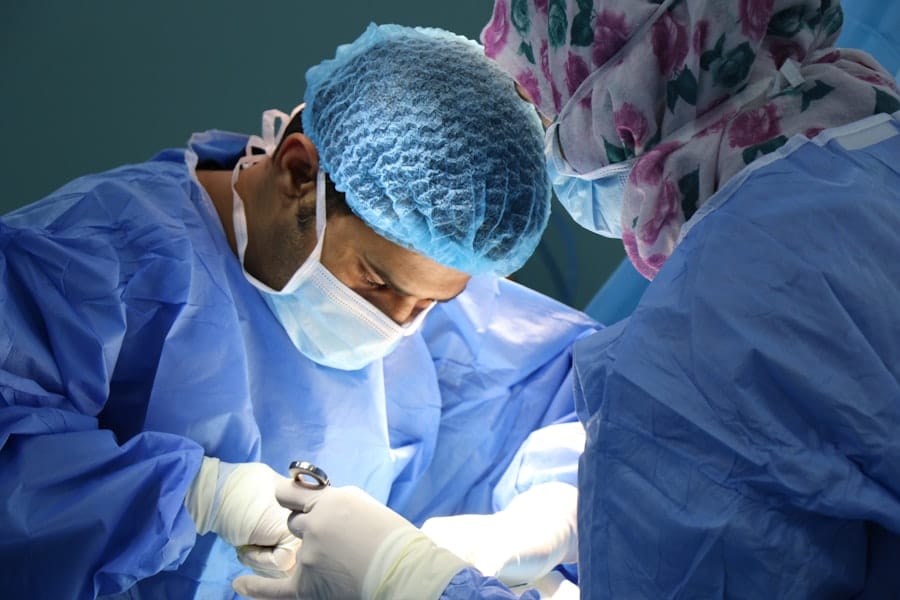
Understanding the procedural steps involved in open rhinoplasty can help alleviate anxiety and prepare you for what to expect.
Pre-Operative Preparations
Before your surgery date, your surgeon will guide you through a series of pre-operative steps.
Medical Evaluation and Clearance
- Health Assessment: You will likely undergo a medical evaluation, which may include blood tests and a review of your medical history. This is to ensure you are in good health for surgery.
- Medication Review: You will be advised on which medications to avoid or discontinue, particularly those that can increase bleeding risk (e.g., aspirin, NSAIDs, certain supplements).
- Smoking Cessation: If you smoke, you will be strongly advised to quit well in advance of surgery, as smoking significantly impairs healing and increases complication rates.
Surgical Planning
- Detailed Nasal Analysis: During your consultations, your surgeon will have conducted a thorough analysis of your nasal structure, including internal evaluation of the septum and turbinates if breathing issues are present.
- Morphed Imaging (Optional): Some surgeons use computer imaging to show you potential outcome simulations. While helpful, remember these are simulations and not guarantees.
The Surgical Day
On the day of your surgery, you will be prepped and taken to the operating room.
Anesthesia Options
- General Anesthesia: Open rhinoplasty is typically performed under general anesthesia, ensuring you are comfortably asleep throughout the procedure.
- Local Anesthesia with Sedation: In some less complex cases, local anesthesia with intravenous sedation may be an option, although general anesthesia is more common for open rhinoplasty. Your surgeon will recommend the most appropriate option for your individual needs.
The Surgical Steps in Detail
- Incision and Exposure: The small incision is made across the columella, and the skin and soft tissue are carefully lifted to expose the underlying nasal cartilages and bone.
- Structural Modification: Your surgeon will then meticulously reshape the nasal framework. This may involve:
- Cartilage Reshaping: This is the most common step, where the surgeon carefully sculpts the nasal tip cartilages.
- Grafting: If augmentation is needed, cartilage grafts (often from your septum, ear, or sometimes rib) are harvested and precisely positioned to enhance projection, correct asymmetry, or support weakened structures.
- Bony Work: If necessary, the nasal bones may be reshaped or narrowed.
- Septoplasty (if functional correction is needed): If your septum is deviated and obstructing breathing, it will be straightened at this time.
- Closure: Once the desired shape is achieved, the skin and soft tissues are redraped, and the columellar incision is meticulously closed with fine sutures.
- Dressing and Splint: A nasal splint (usually an external plastic or metal piece) is applied to protect the nose and help maintain its new shape. Dressings are also applied.
Post-Operative Recovery and Results
The recovery period is as crucial as the surgery itself. Adhering to your surgeon’s post-operative instructions will significantly influence your healing and the final outcome.
Immediate Post-Operative Care
Immediately following surgery, you will be monitored in a recovery area before being discharged.
Pain Management
- Discomfort: While pain is generally manageable, you may experience some discomfort, a feeling of fullness, and nasal congestion.
- Prescription Medications: Your surgeon will prescribe pain medication to help alleviate any discomfort.
Swelling and Bruising
- Expected Swelling: Significant swelling is normal and will be most pronounced in the first few days after surgery.
- Bruising: Bruising around the eyes and cheeks is also common and will gradually fade over the next one to two weeks.
- Cold Compresses: Applying cold compresses (as directed by your surgeon, not directly on the incision) can help reduce swelling.
Nasal Care
- Nasal Congestion: Expect significant nasal congestion due to internal swelling and dressings.
- Saline Nasal Rinses: Your surgeon will likely recommend gentle saline nasal rinses to keep the nasal passages moist and aid in clearing debris.
- Avoiding Nose Blowing: It is imperative to avoid blowing your nose forcefully to prevent damaging the surgical site.
The Healing Timeline
The healing process is gradual, and your progress will be monitored by your surgeon.
First Few Weeks
- Initial Swelling Reduction: The most noticeable reduction in swelling occurs within the first two to three weeks.
- Splint Removal: Your external nasal splint is usually removed about one week after surgery.
- Return to Light Activity: You can typically return to light, non-strenuous activities within a week or two, but avoid anything that could result in a blow to the face.
Months to a Year and Beyond
- Subtle Swelling Resolution: While much of the overt swelling will resolve sooner, a degree of subtle swelling can persist for up to a year or even longer, particularly in the nasal tip. This is why it’s essential to be patient with the final results.
- Final Result Appreciatio: You will begin to see your nose refine and take its final shape over many months. Major changes can continue to occur for a full year and sometimes longer.
- Scar Maturation: The columellar scar will gradually fade and become less noticeable over time.
Long-Term Results and Maintenance
The results of open rhinoplasty are generally permanent, provided you follow post-operative instructions and maintain a healthy lifestyle.
Protecting Your Investment
- Sun Protection: Protect your nose from direct sun exposure, as this can contribute to scar hyperpigmentation and hinder healing.
- Avoiding Trauma: Continue to be mindful of protecting your nose from accidental trauma.
- Healthy Lifestyle: A healthy diet and adequate hydration contribute to overall well-being and aid in long-term healing.
Addressing Potential Concerns
- Slight Asymmetries: Very subtle asymmetries can sometimes occur, even with skilled surgery. Your surgeon will discuss how these are managed if they arise during follow-up appointments.
- Breathing Function: If functional improvement was a goal, your ability to breathe through your nose should improve, though this can also take time to fully realize as swelling subsides.
If you are considering an open rhinoplasty in Peoria, Arizona, it’s essential to understand the various factors that can influence the overall cost of the procedure. For a deeper insight into rhinoplasty costs, you might find it helpful to read a related article that discusses the financial aspects of this surgery in different locations, including New Orleans. This resource can provide valuable information that may assist you in making an informed decision about your options. For more details, check out the article on rhinoplasty costs.
Frequently Asked Questions About Open Rhinoplasty in Peoria
| Metrics | Data |
|---|---|
| Surgeon Name | Dr. John Smith |
| Location | Peoria, Arizona |
| Procedure | Open Rhinoplasty |
| Experience | 10+ years |
| Success Rate | 95% |
As you navigate the process of considering open rhinoplasty, you will likely have questions about various aspects of the procedure.
Is Open Rhinoplasty Permanent?
Yes, the structural changes made during open rhinoplasty are permanent. However, it’s important to understand that the nose continues to subtly change with age. The goal of a skilled surgeon is to create a result that is timeless and harmonious with your facial features throughout your life.
What is the Cost of Open Rhinoplasty in Peoria?
The cost of open rhinoplasty in Peoria, Arizona, can vary significantly based on several factors, including the surgeon’s experience, the complexity of the procedure, the geographic location within Peoria, and whether any functional corrections (like septoplasty) are included. You should expect the cost to encompass surgeon’s fees, anesthesia fees, facility fees, and any pre-operative or post-operative appointments. A detailed quote will be provided by your surgeon during your consultation.
Can Open Rhinoplasty Improve Breathing?
Absolutely. Open rhinoplasty can be combined with septoplasty or turbinate reduction to address functional breathing issues. If you experience nasal congestion or difficulty breathing through your nose, discuss these concerns with your surgeon. They can assess the internal structures and recommend the appropriate surgical modifications.
What is the Recovery Like After Open Rhinoplasty?
The initial recovery period will involve swelling and bruising, with a nasal splint in place for about a week. Most patients can return to light activities within one to two weeks, but strenuous exercise and activities that risk nasal trauma should be avoided for several weeks. Full resolution of swelling and appreciation of the final results can take up to a year or more.
When Will I See the Final Results of My Open Rhinoplasty?
While you will notice a significant change after the initial swelling subsides and the splint is removed, it takes time for the nose to fully settle into its final position. Subtle swelling, especially in the nasal tip, can persist for up to a year or more. Your surgeon will guide you through the healing process and help you understand when to expect to see your refined result.
Finding Your Open Rhinoplasty Surgeon in Peoria
The journey to achieving your desired nasal aesthetics through open rhinoplasty begins with finding a qualified and experienced surgeon in Peoria, Arizona.
Researching Local Surgeons
- Online Directories: Utilize reputable online directories for plastic surgeons, such as those provided by the American Society of Plastic Surgeons (ASPS) or the American Academy of Facial Plastic and Reconstructive Surgery (AAFPRS).
- Patient Reviews: While not the sole deciding factor, reading patient reviews can offer insights into others’ experiences with a particular surgeon and their practice. Look for recurring themes regarding communication, care, and outcomes.
- Physician Referrals: Your primary care physician or another medical specialist may be able to offer referrals to trusted facial plastic surgeons in the Peoria area.
Initial Steps for Consultation
Once you have identified a few potential surgeons, the next step is to schedule consultations.
Preparing for Your Consultation
- List of Questions: Come prepared with a list of questions regarding the surgeon’s experience with open rhinoplasty, their approach, potential risks, recovery protocol, and their philosophy on achieving natural-looking results.
- Photos of Your Current Nose: Bring clear, well-lit photos of your face from different angles. This can help you articulate your concerns and how you envision your nose looking.
- Honest Self-Assessment: Be prepared to discuss your motivations for seeking rhinoplasty, your lifestyle, and any pre-existing medical conditions.
What to Expect During the Consultation
- Physical Examination: The surgeon will perform a thorough examination of your nose, assessing its external structure, the underlying cartilage and bone, and checking for any functional issues.
- Discussion of Goals and Options: You will discuss your aesthetic goals, and the surgeon will explain whether open rhinoplasty is the most suitable approach for you and what specific modifications they recommend.
- Risk Assessment: Potential risks and complications will be thoroughly reviewed.
- Cost Estimate: A preliminary cost estimate will likely be provided.
By approaching your search for an “open rhinoplasty surgeon Peoria Arizona” with diligence and a clear understanding of the procedure, you are well on your way to making an informed decision. Remember, this is a significant surgical procedure, and choosing the right surgeon provides the foundation for achieving safe and satisfactory results.
FAQs
What is open rhinoplasty?
Open rhinoplasty is a surgical procedure used to reshape the nose. It involves making a small incision on the columella, the strip of skin between the nostrils, to allow the surgeon better access to the nasal structures.
What are the benefits of open rhinoplasty?
Open rhinoplasty allows for better visualization and access to the nasal structures, making it easier for the surgeon to make precise changes. This technique is often preferred for more complex or extensive nasal reshaping.
Who is a good candidate for open rhinoplasty?
Good candidates for open rhinoplasty are individuals who are in good overall health and have realistic expectations for the outcome of the procedure. They should also have specific concerns about the appearance or function of their nose that can be addressed through surgery.
What is the recovery process like after open rhinoplasty?
After open rhinoplasty, patients can expect some swelling, bruising, and discomfort for the first week or two. Most people are able to return to work or school within 1-2 weeks, but it may take several months for the final results to become apparent.
How can I find a qualified open rhinoplasty surgeon in Peoria, Arizona?
To find a qualified open rhinoplasty surgeon in Peoria, Arizona, it is important to research and schedule consultations with board-certified plastic surgeons who specialize in rhinoplasty. It is also important to ask about their experience, credentials, and view before and after photos of their previous rhinoplasty patients.