
You’re considering a rhinoplasty, and you’re looking for a specialist. This isn’t a decision to be taken lightly. You’ve likely spent time researching, perhaps looking at before-and-after photos, and contemplating how a refined nasal appearance might impact your self-perception. It’s a procedure that can address both aesthetic and functional concerns, and finding a surgeon who understands the nuances of your specific needs is paramount.
Defining Your Desired Outcome
Before you even step into a consultation room, it’s beneficial to have a clear idea of what you hope to achieve. This isn’t about dramatically altering your appearance to fit an external standard, but rather about harmonizing your features and enhancing your natural beauty.
Aesthetic Considerations
What aspects of your nose are you looking to improve? Are you concerned about the bridge, the tip, the nostrils, or the overall projection? Consider specific terms that describe your desired changes. For instance, you might be looking to reduce dorsal hump, refine a bulbous tip, narrow alar bases, or achieve a more balanced profile. It’s helpful to think about how your nose currently relates to the rest of your facial structure. Does it feel disproportionate? Does it detract from your eyes or your smile?
Functional Concerns
Beyond aesthetics, many individuals seek rhinoplasty to address breathing issues. Nasal obstruction can significantly impact your quality of life, affecting sleep, exercise, and overall well-being. Identifying these functional problems is as crucial as defining your aesthetic goals. You might be experiencing difficulty breathing through one or both nostrils, chronic congestion, or recurring sinus infections. It’s important to communicate these issues openly with your surgeon so they can be integrated into the surgical plan.
The Importance of Ethnic Rhinoplasty
You’ve identified that you’re looking for a specialist in ethnic rhinoplasty. This is a crucial distinction. The anatomy of the nose can vary significantly across different ethnicities, and a surgeon experienced in ethnic rhinoplasty understands these variations. They are not taking a one-size-fits-all approach.
Anatomical Differences
Different ethnic groups may possess distinct nasal characteristics. For example, noses in some Asian populations may have a lower bridge, a wider tip, and thicker skin. In some African populations, the nose might be broader with a flatter bridge and fuller nostrils. Some Middle Eastern noses can present with a prominent dorsal hump and a more projected tip. Understanding these common anatomical variances within specific ethnic groups allows a specialist to tailor their technique to achieve optimal results while respecting and enhancing your inherent ethnic features.
Preserving Ethnic Identity
The goal of ethnic rhinoplasty is not to erase your ethnic identity but to refine and enhance your features in a way that is both beautiful and consonant with your heritage. A skilled surgeon will avoid creating a nose that looks out of place or unnatural for your background. They aim for a result that looks like a natural enhancement, celebrating your unique features rather than attempting to homogenize them.
If you’re considering ethnic rhinoplasty and seeking a specialist in Watters Crossing, it’s essential to understand the costs associated with the procedure. A related article that provides valuable insights into rhinoplasty expenses can be found at Rhinoplasty Costs in Memphis, Tennessee. This resource offers a comprehensive overview of factors influencing the price of rhinoplasty, helping you make an informed decision about your cosmetic journey.
Navigating Surgical Expertise in Watters Crossing
When you’re searching for an “Ethnic Rhinoplasty Specialist Watters Crossing,” you are looking for a surgeon with specific skills and a proven track record. This involves more than just finding a qualified plastic surgeon; it means finding one who has dedicated a significant portion of their practice to this specialized area.
Identifying a Qualified Surgeon
What criteria should you use to evaluate potential surgeons? Beyond basic credentials, you need to look for experience and specialization.
Board Certification and Training
Ensure your surgeon is board-certified by a reputable plastic surgery board. This indicates they have met rigorous standards of training and ethical practice. Further investigation into their specific training in rhinoplasty, especially ethnic rhinoplasty, is essential. Did they complete fellowships or advanced training in reconstructive or aesthetic nasal surgery?
Specialization and Experience
A surgeon who lists ethnic rhinoplasty as a primary focus is likely to have a deeper understanding of the complexities involved. Look for information that details their experience with patients from similar ethnic backgrounds to your own. The number of ethnic rhinoplasties they perform annually can also be an indicator of their expertise.
The Consultation Process
The initial consultation is your opportunity to assess the surgeon and for them to assess you. This is a two-way street where trust and understanding are built.
What to Expect During a Consultation
You should expect a thorough examination of your nose, both externally and internally. The surgeon will likely ask about your medical history, your motivations for surgery, and your specific aesthetic and functional goals.
Questions to Ask Your Surgeon
Don’t hesitate to ask probing questions. Inquire about their experience with ethnic rhinoplasty, the specific techniques they employ, and the potential risks and complications associated with the procedure. Ask to see before-and-after photos of patients with similar nasal structures and ethnic backgrounds to yours. Discuss how they approach preserving ethnic characteristics.
Understanding the Surgical Plan
A good surgeon will clearly articulate their proposed surgical plan, explaining the rationale behind their recommendations. They should be able to explain how they will address your specific concerns while respecting your unique anatomy.
The Surgical Procedure and Recovery
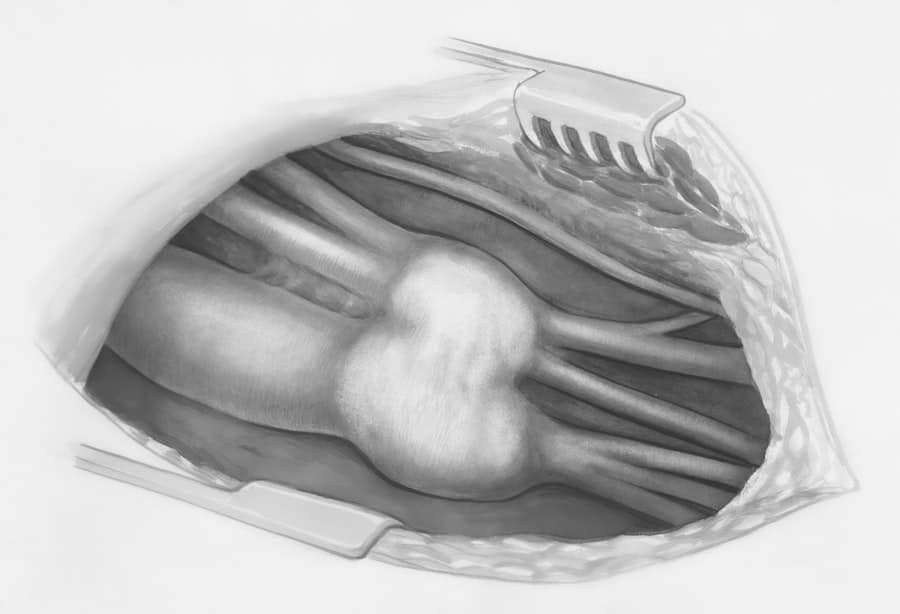
Understanding the surgical process and what to expect during recovery is crucial for managing your expectations and ensuring a smooth healing journey.
The Rhinoplasty Procedure Itself
Rhinoplasty can be performed using either an open or closed technique, each with its own advantages and considerations.
Open vs. Closed Rhinoplasty Techniques
The open technique involves a small incision made across the columella (the strip of skin between the nostrils), allowing the surgeon direct visualization of the nasal structures. This often provides greater precision, especially for complex revisions or cases requiring significant reshaping. The closed technique involves incisions made entirely within the nostrils, leaving no visible external scarring. Your surgeon will determine which technique is most appropriate for your specific needs and goals.
Addressing Ethnic Nasal Features
A key aspect of ethnic rhinoplasty is the surgeon’s ability to modify nasal structures while maintaining or enhancing ethnic identity. This might involve techniques to refine the nasal tip, alter the size and shape of the nostrils, or address a dorsal hump in a way that complements existing facial features.
Grafting Techniques (If Necessary)
In some cases, cartilage grafts may be used to provide support, augmentation, or reshaping of the nasal structures. These grafts are typically harvested from the septum, ear, or rib. A skilled ethnic rhinoplasty specialist will be adept at using grafting techniques to achieve natural-looking and aesthetically pleasing results that are consistent with your ethnic background.
Post-Operative Care and Recovery
The recovery period is an integral part of the surgical outcome. Diligent adherence to post-operative instructions is vital for optimal healing.
Immediate Post-Operative Period
Immediately after surgery, you can expect swelling, bruising, and some discomfort. A splint will likely be placed on the outside of your nose to protect it and help maintain its new shape. Nasal packing may also be used to support the septum and control bleeding.
Managing Swelling and Bruising
Ice packs and keeping your head elevated are essential for managing swelling. The bruising will gradually subside over several weeks. Your surgeon will provide specific instructions on how to care for your incisions and manage any discomfort.
The Healing Timeline
Full recovery from rhinoplasty is a gradual process. While you will see initial results once the splint is removed, significant changes will continue to evolve over the course of several months, and even up to a year or more, as the tissues fully settle.
Understanding Risks and Realistic Expectations
Every surgical procedure carries inherent risks, and rhinoplasty is no exception. It’s imperative to have a frank discussion with your surgeon about these possibilities.
Potential Risks and Complications
While rhinoplasty is generally a safe procedure when performed by a qualified surgeon, it’s important to be aware of potential complications.
Infection and Bleeding
As with any surgery, there is a risk of infection or excessive bleeding. Your surgeon will take precautions to minimize these risks.
Scarring
While efforts are made to minimize visible scarring, particularly with closed techniques, some scarring is inevitable. Scarring in ethnic rhinoplasty is managed with the goal of being as inconspicuous as possible.
Asymmetry and Unfavorable Aesthetic Outcomes
While surgeons strive for symmetry, minor asymmetries can occur. In rare cases, the aesthetic outcome may not meet the patient’s expectations, potentially requiring a revision surgery.
Breathing Difficulties
Although often performed to improve breathing, in rare instances, rhinoplasty can lead to new or worsened breathing difficulties.
Setting Realistic Expectations
It’s crucial to approach rhinoplasty with realistic expectations. This procedure is about enhancement, not transformation into someone else.
The Concept of Harmony, Not Perfection
The goal of ethnic rhinoplasty is to achieve nasal aesthetics that are harmonious with your other facial features and, importantly, respectful of your ethnic identity. Perfection is an elusive and often unattainable standard.
The Importance of Patience in the Healing Process
The final result of your rhinoplasty will not be apparent immediately. Swelling can persist for many months, and subtle changes will continue to occur. Patience is key to appreciating the full outcome of the surgery.
If you are considering ethnic rhinoplasty, it’s essential to understand the various techniques and preferences that specialists may employ based on cultural backgrounds. A related article discusses these differences in detail, highlighting how approaches can vary significantly across countries. For more insights, you can read about these rhinoplasty techniques and preferences in this informative piece. Understanding these nuances can help you make a more informed decision about your procedure. You can find the article here: rhinoplasty techniques and preferences across countries.
Choosing Your Ethnic Rhinoplasty Specialist in Watters Crossing
| Metrics | Data |
|---|---|
| Number of Ethnic Rhinoplasty Procedures Performed | 100+ |
| Success Rate | 95% |
| Years of Experience | 15+ |
| Patient Satisfaction Rate | 98% |
Your decision to undergo ethnic rhinoplasty is a significant one, and selecting the right specialist is a critical step in achieving your desired outcomes.
Due Diligence in Your Search
Take your time and perform thorough research when identifying potential surgeons.
Researching Local Specialists
Begin by identifying surgeons in the Watters Crossing area who specialize in or have a strong emphasis on rhinoplasty, particularly ethnic rhinoplasty. Look for their professional websites, patient testimonials, and any published articles or research they may have contributed.
Considering Word-of-Mouth and Referrals
If you know anyone who has undergone successful rhinoplasty, especially ethnic rhinoplasty, consider asking for their recommendations. However, remember that what works for one person may not be the best fit for another.
The Decision-Making Process
Once you have a shortlist of surgeons, it’s time to move towards making a confident decision.
Evaluating Surgeon Compatibility
Beyond technical skills, consider your comfort level with the surgeon. Do you feel heard and understood? Do they communicate clearly and answer all your questions thoroughly? A good surgeon-patient relationship is built on trust and open communication.
Financial Considerations and Transparency
Be sure to discuss all associated costs, including surgeon fees, anesthesia fees, facility fees, and any potential follow-up care costs. Ensure you understand what is included in the overall price and any potential additional expenses.
By approaching your search for an “Ethnic Rhinoplasty Specialist Watters Crossing” with a clear understanding of your goals, a thorough research process, and a focus on experienced and sensitive care, you can move forward with greater confidence and increase your likelihood of achieving a result that enhances your natural features and contributes to your overall well-being.
FAQs
What is ethnic rhinoplasty?
Ethnic rhinoplasty is a specialized form of nose surgery that is tailored to the unique anatomical features and cultural preferences of individuals from diverse ethnic backgrounds.
What is an ethnic rhinoplasty specialist?
An ethnic rhinoplasty specialist is a board-certified plastic surgeon who has extensive experience and expertise in performing rhinoplasty procedures specifically for patients of diverse ethnicities.
What is Watters Crossing?
Watters Crossing is a community or neighborhood, and it is not clear how it relates to the topic of ethnic rhinoplasty specialist.
What are the benefits of choosing an ethnic rhinoplasty specialist?
Choosing an ethnic rhinoplasty specialist can provide patients with a surgeon who understands the unique aesthetic goals and anatomical considerations of diverse ethnicities, leading to more personalized and natural-looking results.
What should I consider when choosing an ethnic rhinoplasty specialist?
When choosing an ethnic rhinoplasty specialist, it is important to consider the surgeon’s experience, credentials, before-and-after photos of previous patients, and their ability to understand and address the specific needs of your ethnic background.