Have you ever wondered what it’s like to have a rhinoplasty? This article gives a fascinating glimpse into the experiences of patients who have undergone this cosmetic procedure.
Discover the ups and downs, the joys and challenges, and everything in between as these individuals share their journeys of rhinoplasty.
Whether you’re contemplating the procedure or simply curious about it, these firsthand accounts will provide valuable insights and perhaps even inspire your path toward a more confident, aesthetic nose. Embark on this enlightening journey and discover the transformative power of rhinoplasty through the eyes of those who have experienced it firsthand.
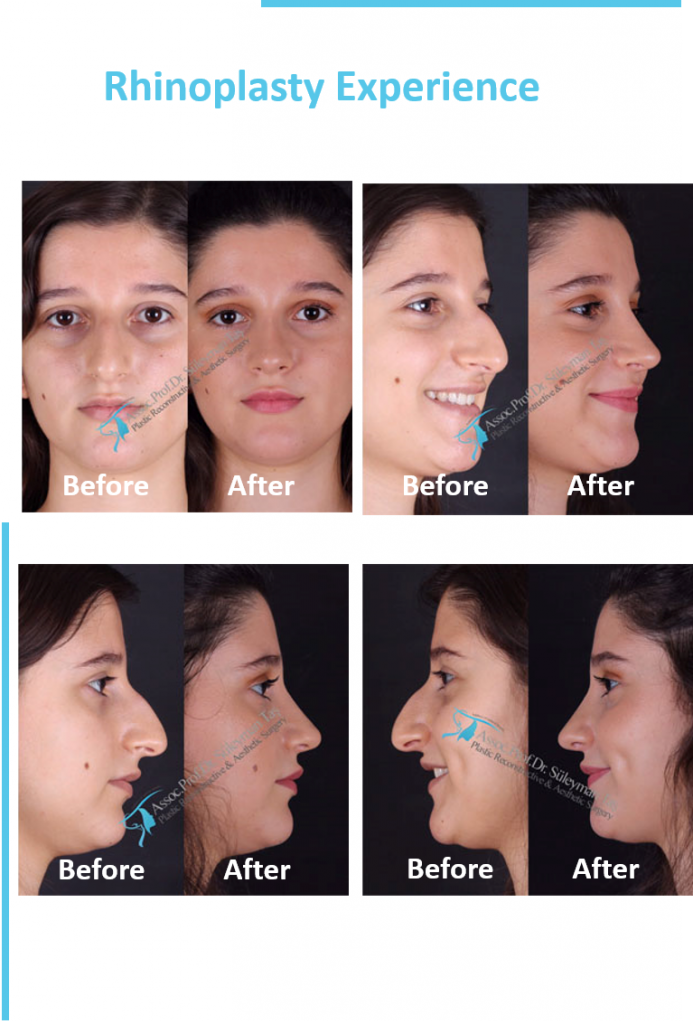
Finding a Qualified Surgeon
Researching Surgeons
Thorough research is vital to finding a qualified surgeon for your rhinoplasty procedure. Begin by compiling a list of potential surgeons in your area specializing in rhinoplasty.
Look for board-certified plastic surgeons with extensive experience performing this particular surgery. Many medical organizations and professional societies have directories of these surgeons.
Reading Online Reviews
Online reviews can be a valuable tool in your search for a qualified surgeon. Take the time to read reviews from previous patients to gain insight into their experiences. Look for common themes or patterns in the reviews and pay attention to the overall satisfaction level of the patients. While it’s important to consider reviews, remember that everyone’s experience is different, so take them with a grain of salt.
Consultations with Surgeons
Once you have narrowed your list of potential surgeons, schedule consultations with each. This will allow you to meet face-to-face, discuss your goals and concerns, and ask any questions.
During the consultation, you feel comfortable with the surgeon and their staff. Trust during these consultations and open communication is crucial in any surgical procedure, so choosing a surgeon with whom you feel confident and at ease is essential.
Setting Realistic Expectations
Understanding Limitations of the Procedure
It’s essential to have realistic expectations about the outcome of your rhinoplasty procedure. While rhinoplasty can improve the appearance and functionality of your nose, it cannot completely change your entire facial structure. Discuss your goals with your surgeon and ensure you clearly understand what can and cannot be accomplished through surgery.
Considering Facial Symmetry
Facial symmetry plays a significant role in achieving aesthetically pleasing results from rhinoplasty. Consider how your new nose will fit in with the rest of your facial features. Your surgeon will assess your overall facial structure and advise you on achieving balance and harmony.
Discussing Desired Results with Surgeon
Communication with your surgeon is crucial in setting realistic expectations for your rhinoplasty. Be open and honest about your desired results and ask for their professional opinion on what can be achieved. Your surgeon will guide you through the process, explain the potential limitations, and ensure you clearly understand the expected outcome.
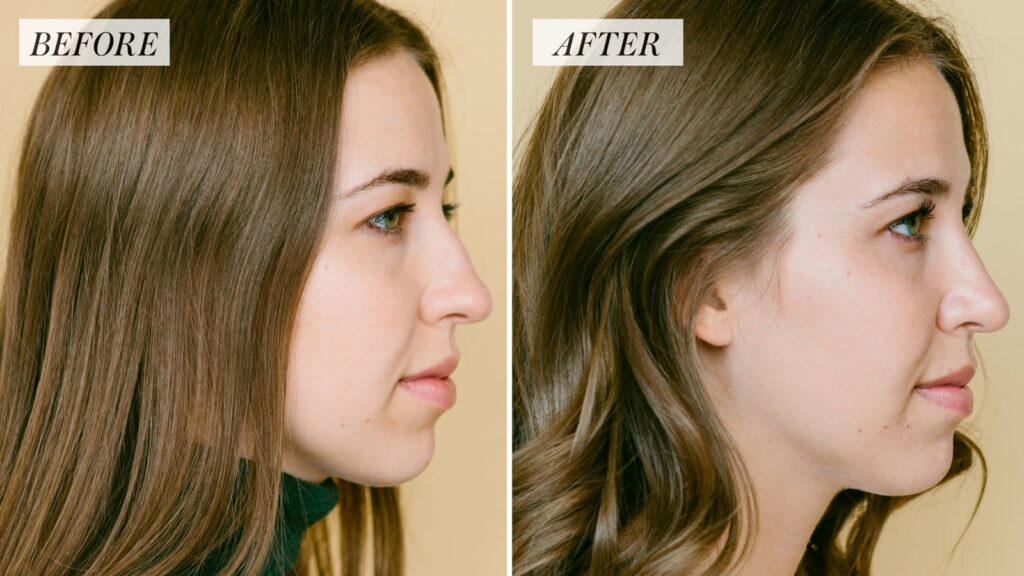
Preparing for the Surgery
Medical Evaluation
Before undergoing rhinoplasty surgery, you will need to undergo a thorough medical evaluation. This evaluation helps to determine if you are in good overall health and a suitable candidate for surgery. Your surgeon will review your medical history, perform a physical examination, and may order additional tests to ensure you are well-prepared for the procedure.
Quitting Smoking
If you are a smoker, it is crucial to quit smoking before your rhinoplasty surgery. Smoking can impair your body’s ability to heal and increase the risk of complications. Your surgeon will provide specific instructions on when and how to quit smoking and may even require a certain period of abstinence before performing the surgery.
Avoiding Certain Medications
Certain medications can increase the risk of bleeding during and after surgery. You must inform your surgeon about all your medicines, including prescription, over-the-counter, and herbal supplements. They will advise you on which medications to avoid in the weeks leading up to the surgery to ensure a safe and successful procedure.
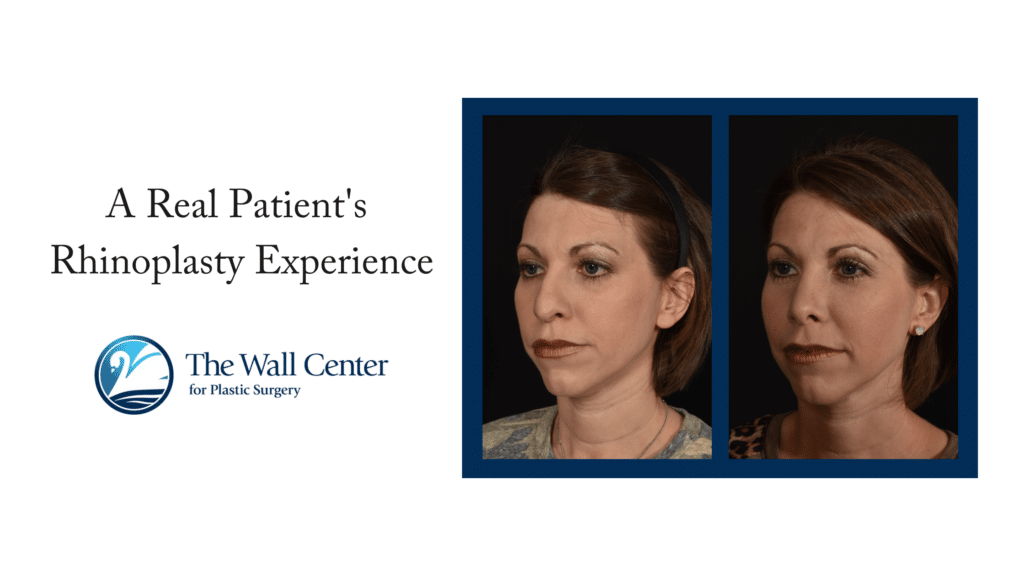
The Procedure
Anesthesia Options
Rhinoplasty can be performed under either general anesthesia or local anesthesia with sedation, depending on the complexity of the procedure and your surgeon’s preference.
General anesthesia allows you to sleep through the surgery, while local anesthesia with sedation keeps you relaxed but awake. Your surgeon will discuss the anesthesia options with you and recommend the most appropriate choice for your case.
Open vs Closed Rhinoplasty
There are two main techniques for performing rhinoplasty: open and closed rhinoplasty. In open rhinoplasty, a small incision is made on the columella, the fleshy area between the nostrils, allowing for better visibility and access to the nasal structures. Closed rhinoplasty, on the other hand, involves incisions made only within the nostrils. The choice between open and closed rhinoplasty depends on the complexity of the procedure and your surgeon’s expertise.
Length of Surgery
The duration of rhinoplasty surgery varies depending on the procedure’s complexity and the patient’s specific goals. On average, the surgery can range from one to three hours. However, it is essential to remember that each case is unique, and the length of surgery will be determined by the individualized treatment plan developed by your surgeon.
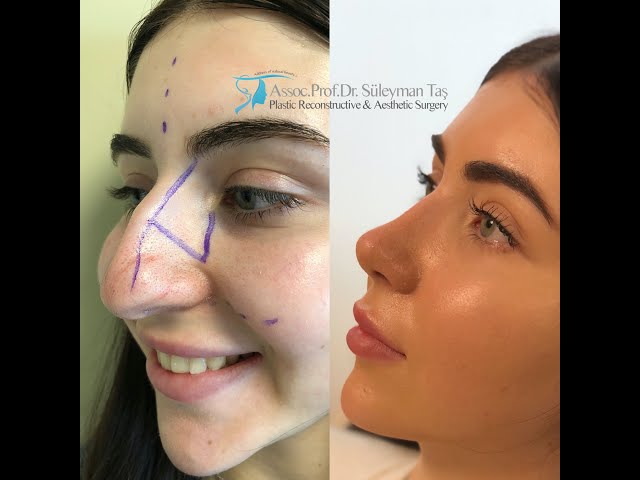
Recovery Process
Initial Swelling and Bruising
After rhinoplasty surgery, swelling and bruising around the nose and eyes are expected. This swelling can make it difficult to appreciate the final results immediately. Swelling typically subsides within the first few weeks, but it may take several months for the nose to heal fully and for the final results to become apparent.
Pain Management
Pain or discomfort following rhinoplasty surgery is generally well-managed with pain medication prescribed by your surgeon. Following your surgeon’s instructions regarding pain management is essential to ensure a comfortable recovery. Most patients find any discomfort tolerable and resolve it within a few days.
Physical Restrictions
During the initial recovery period, following your surgeon’s instructions regarding physical activities is essential. Avoid strenuous exercise, heavy lifting, and any activities that may strain the nose. Take the time to rest and relax, allowing your body to heal and recover properly.