
Have you ever wondered about the factors that contribute to the cost of a rhinoplasty procedure? In this article, we will explore the various elements that influence the price of a nose job, helping you gain a better understanding of what to expect financially.
We will break down each aspect, from surgeon’s fees to anesthesia costs, to ensure you are well informed before making any decisions. Embark on this journey with us as we illuminate the intricacies of rhinoplasty costs.
Factors Affecting Rhinoplasty Costs
Rhinoplasty, commonly known as a nose job, is a surgical procedure that can enhance the appearance and functionality of the nose. However, the cost of rhinoplasty varies depending on several factors. Understanding these factors can help you better comprehend the expenses associated with this procedure. Here are the main factors that affect rhinoplasty costs:
Surgeon’s Experience
The surgeon’s experience and expertise are crucial in determining the rhinoplasty cost. A highly skilled and experienced surgeon with board certification will likely charge more for their services. Board certification ensures that the surgeon has undergone rigorous training and has met the standards set by the medical board.
Additionally, the number of years a surgeon has been performing rhinoplasty and their reputation in the field can also impact the cost. Surgeons with a long-standing successful career and a stellar reputation may charge higher fees due to their expertise and track record. Furthermore, specialized surgeons focusing on rhinoplasty may charge higher fees for their narrow specialization.
Geographical Location
The geographical location of the surgeon’s practice can significantly influence rhinoplasty costs. Urban areas, with a higher cost of living, tend to have higher medical fees than rural areas. This is mainly due to higher overhead costs such as rent, utilities, and staff salaries.
Moreover, the demand for plastic surgery can vary depending on the location. Surgeons can charge more for their services in areas with a high demand for rhinoplasty procedures. It is essential to consider the location when budgeting for your rhinoplasty procedure.
Type of Rhinoplasty
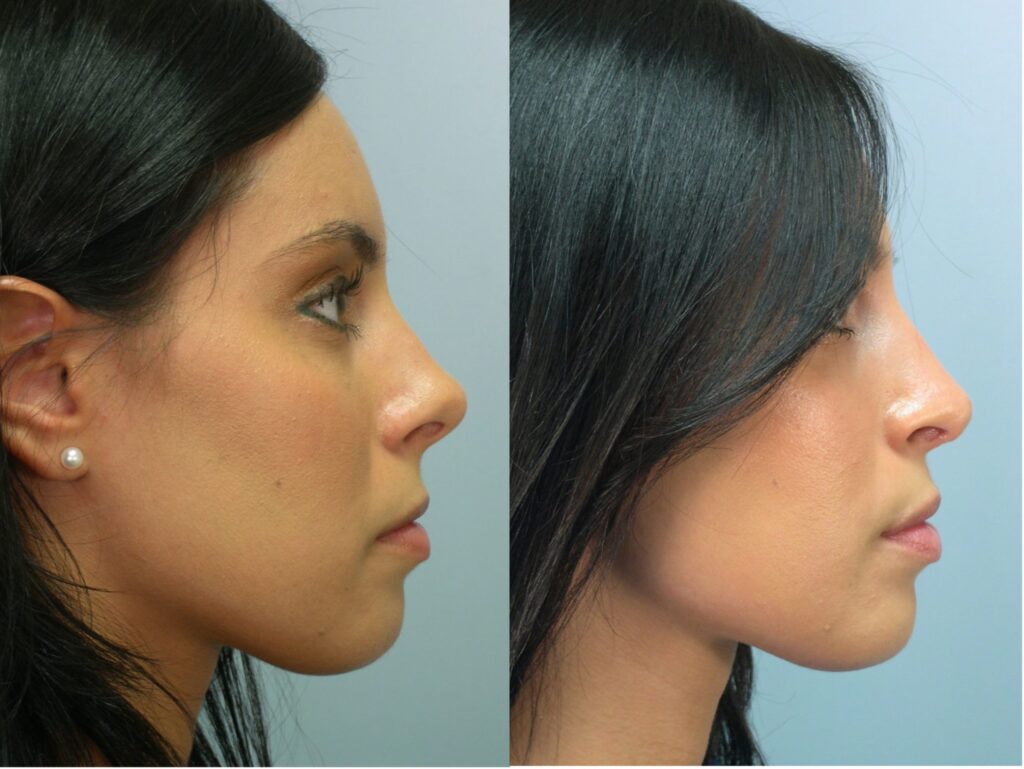
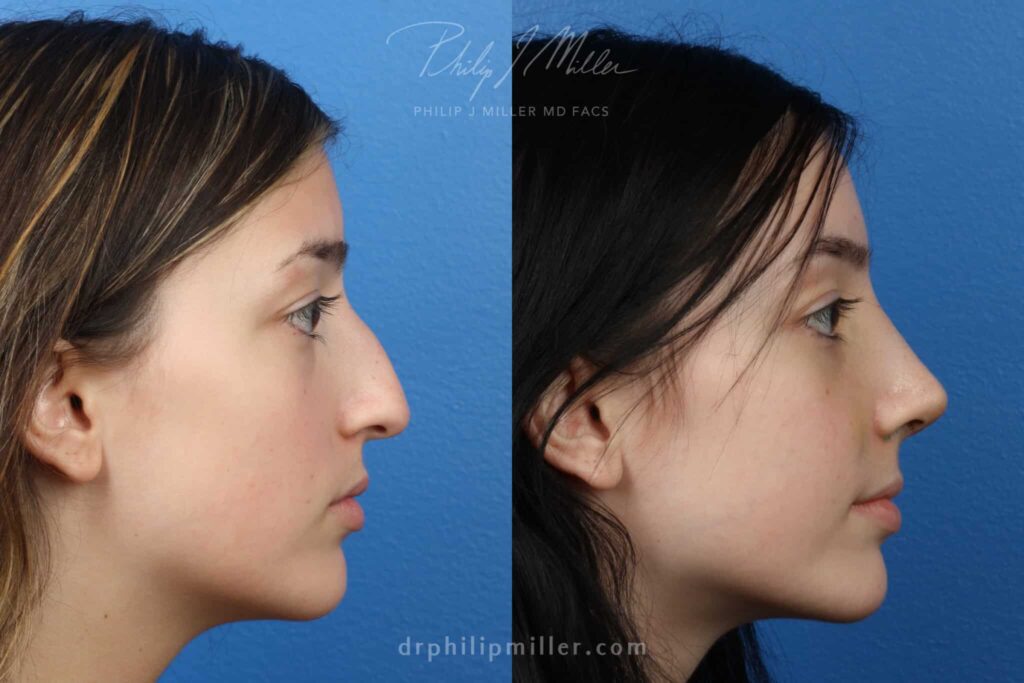
The type of rhinoplasty procedure you choose will also impact the overall cost. There are different types of rhinoplasty, including primary, revision, ethnic, and functional rhinoplasty.
Primary rhinoplasty is the first surgical procedure to alter or enhance the nose’s appearance and functionality. Revision rhinoplasty involves correcting or improving outcomes from a previous nose surgery.
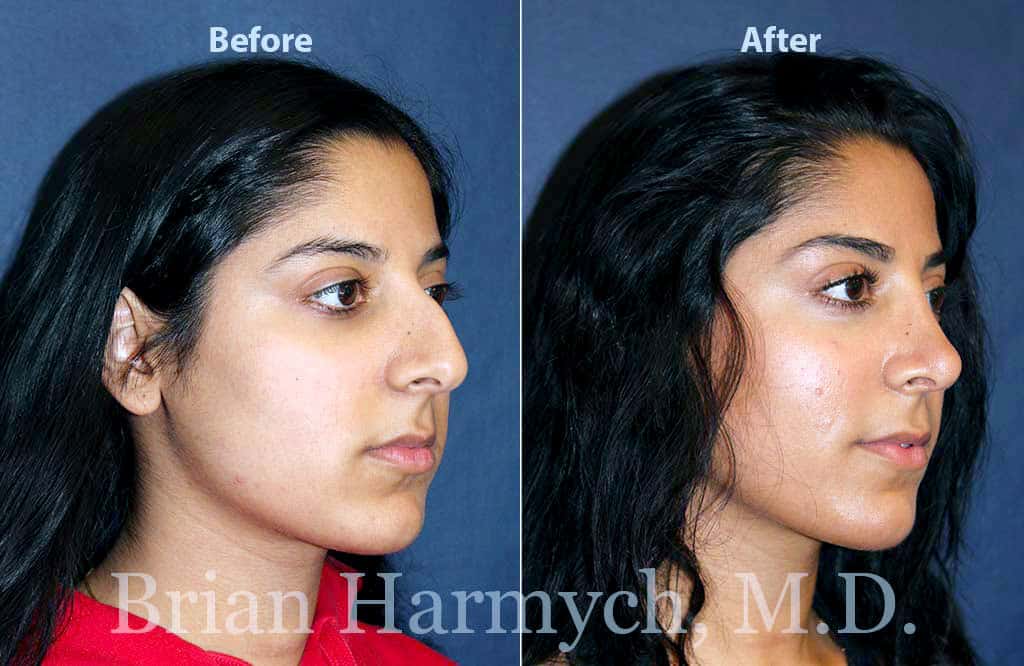
Ethnic rhinoplasty focuses on addressing specific nasal features standard in certain ethnicities. Functional rhinoplasty is performed to improve breathing or correct structural issues affecting the nose’s functionality. The complexity and particular techniques involved in each type of rhinoplasty can affect the cost of the procedure.
Anesthesia Fees
The administration of anesthesia during rhinoplasty is an essential aspect of the surgery. The type of anesthesia used, such as general or local anesthesia, will affect the overall cost.
General anesthesia, which ensures you are fully asleep during the procedure, may cost more than local anesthesia, which numbs the specific area being treated.
Additionally, the fees charged by the anesthesiologist will contribute to the anesthesia costs. The duration of anesthesia required for the procedure may also influence the fees charged.
Hospital or Facility Fees
The hospital or surgical facility choice for your rhinoplasty procedure can also impact the overall cost. Operating room costs, including equipment, supplies, and maintenance, can vary between facilities.
Furthermore, the fees charged by nursing staff and other medical professionals in your care will contribute to the facility fees. Post-operative care, such as overnight stays or follow-up visits, may also be included in the facility fees. Additionally, the cost of medical supplies used during and after the procedure may be factored into the overall expenses.
Additional Costs
In addition to the primary factors mentioned above, additional costs may be associated with your rhinoplasty journey. These costs can include consultation fees, where you meet with the surgeon to discuss your goals and expectations. Pre-operative tests, such as bloodwork or imaging, may also be necessary to ensure your suitability for the procedure.
Medications, both prescribed and over-the-counter, may be required for pain management and to assist with the healing process. Post-surgical garments, such as compression bandages or nasal splints, may also be recommended to aid recovery.
Insurance Coverage
Determining if your insurance will cover any portion of your rhinoplasty procedure is essential for financial planning. In general, rhinoplasty is considered a cosmetic procedure, and insurance companies typically do not cover purely cosmetic surgeries.
However, suppose your rhinoplasty is performed for functional reasons, such as correcting a deviated septum or alleviating breathing difficulties. In that case, health insurance policies may cover some of the cost. It is essential to check your insurance policy and understand the pre-authorization requirements, if any, to determine the extent of coverage.
Finance Options
If the cost of rhinoplasty is a concern, several finance options are available to assist you with payment. Medical loans are a popular option, allowing you to finance the procedure and make affordable monthly payments.
Credit card payments may also cover costs, although interest rates and repayment terms should be carefully considered. Health savings accounts (HSAs) can also be utilized significantly if you regularly contribute to this account. Additionally, exploring insurance plans that offer coverage for cosmetic procedures can provide financial assistance.
Researching Rhinoplasty Surgeons
Investing time and effort in thoroughly researching potential surgeons is essential when considering rhinoplasty. Gathering multiple quotes from different surgeons can provide you with a range of costs to compare and make an informed decision.
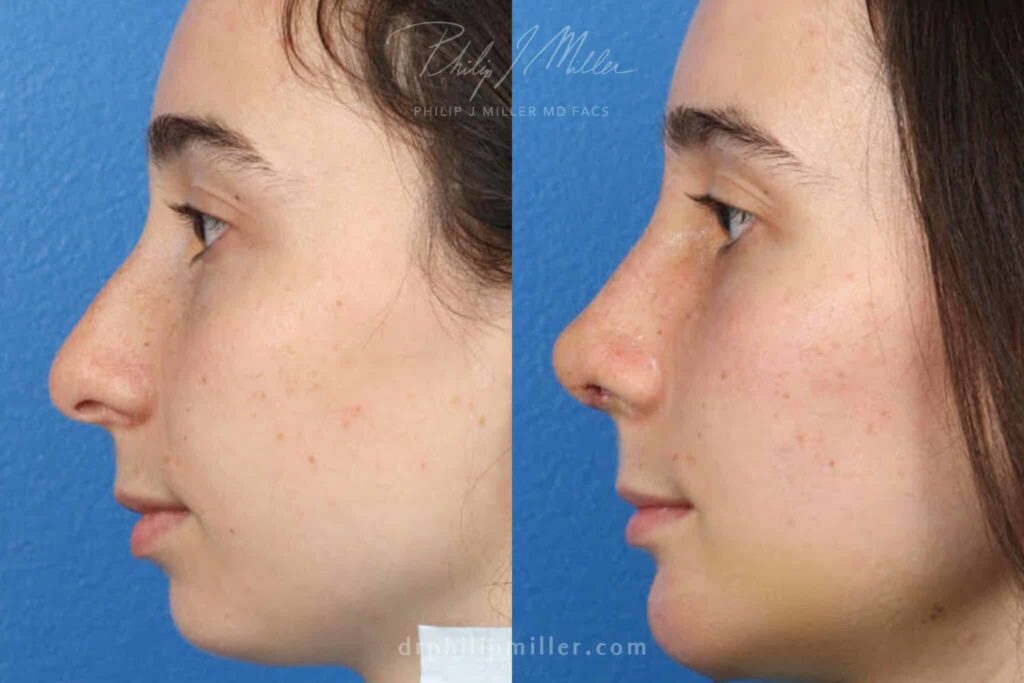
Evaluating each surgeon’s qualifications, such as their board certification and specialized training, is crucial to ensuring their expertise in performing rhinoplasty. Requesting to see before-and-after photos of previous patients can give you an idea of the surgeon’s aesthetic skills and consistency in achieving desired outcomes. Finally, reading patient reviews and testimonials can provide insights into previous rhinoplasty patients’ overall experience and satisfaction.
By understanding the factors influencing rhinoplasty costs, you can better prepare financially for your nose job. Consider your priorities, such as the surgeon’s experience and expertise, the geographical location, the type of rhinoplasty you require, the anesthesia fees, and the hospital or facility fees.
Consider any additional costs, insurance coverage, and available finance options. By doing thorough research and planning, you can make an informed decision that aligns with your budget and expectations. Investing in your nose can enhance confidence and satisfaction with your overall appearance.
======================
CONTENT 10/10/G