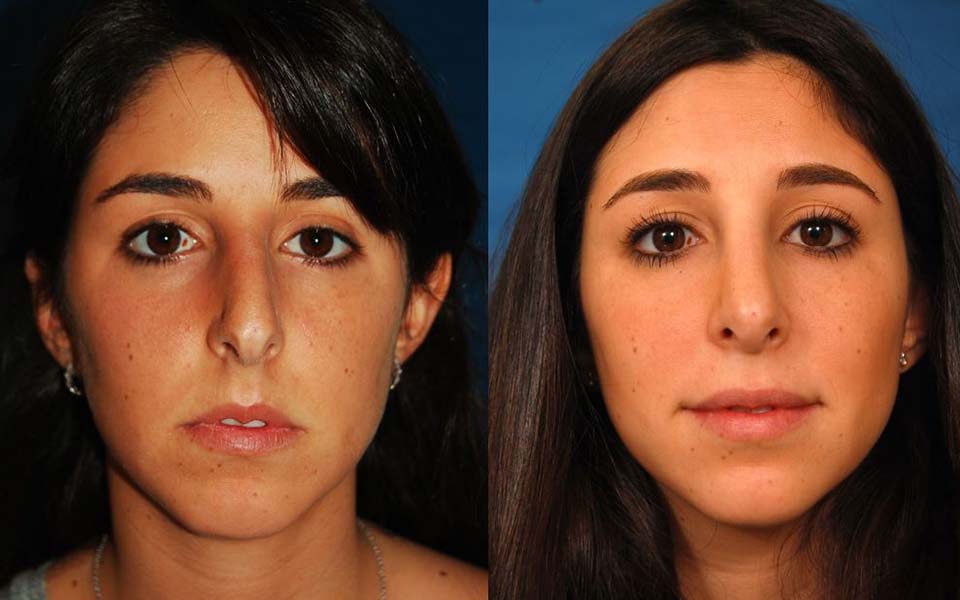
Rhinoplasty, also known as a nose job, is a surgical procedure that aims to enhance the appearance and functionality of the nose. Beyond its cosmetic benefits, rhinoplasty holds great value for individuals who suffer from breathing difficulties, nasal deformities, or injuries. This article explores the various reasons why rhinoplasty is valued and sought after by many, highlighting its ability to not only improve aesthetics but also enhance overall quality of life.
Why Rhinoplasty?
Rhinoplasty, commonly referred to as a nose job, is a surgical procedure that involves reshaping and restructuring the nose. There are two primary reasons why people choose to undergo rhinoplasty: improving appearance and correcting structural issues.
Improving Appearance
One of the key reasons individuals opt for rhinoplasty is to enhance their facial harmony and overall aesthetic appeal. The nose plays a central role in defining the facial features, and if you are dissatisfied with the shape or size of your nose, it can have a significant impact on your self-confidence.
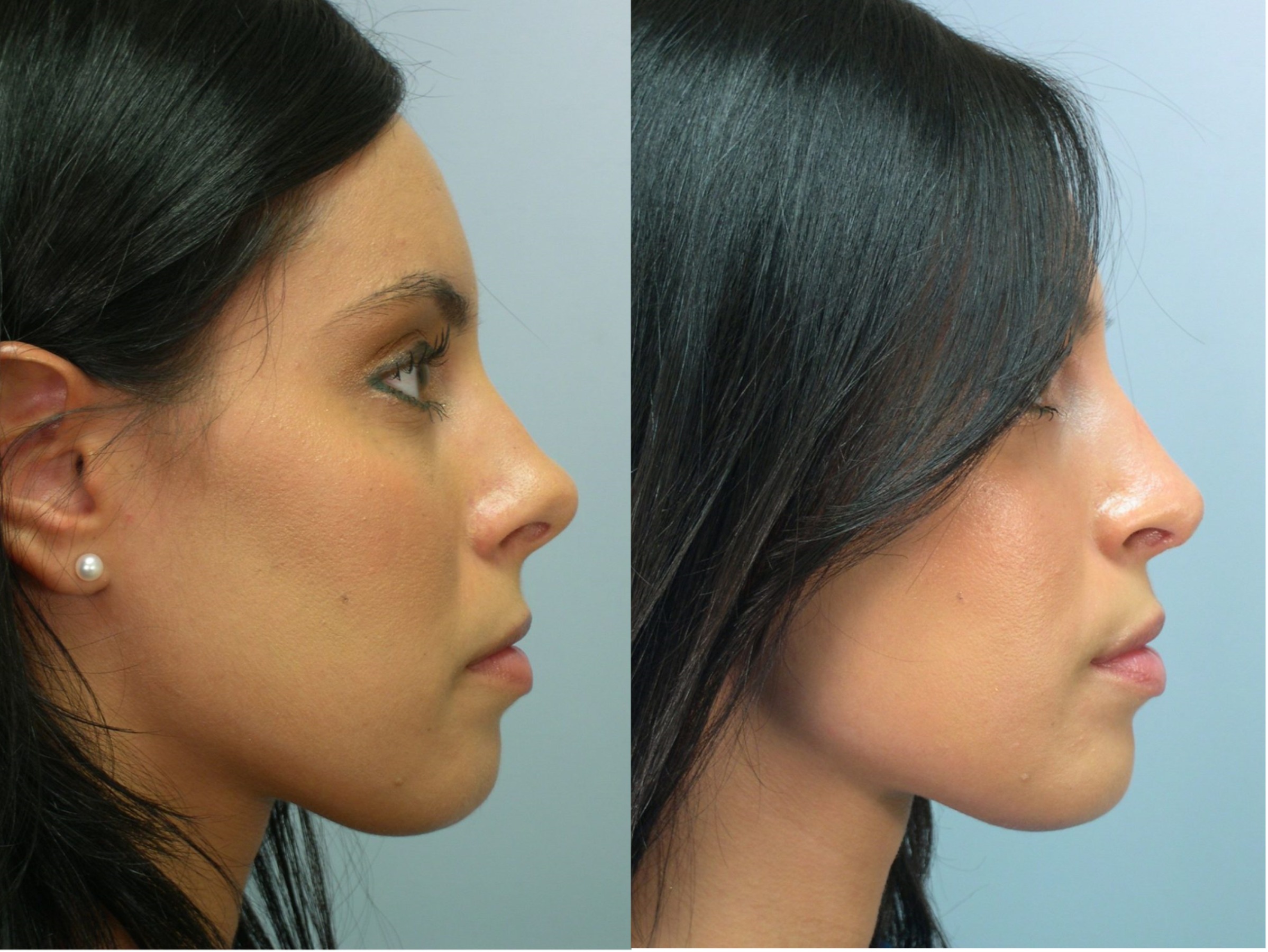
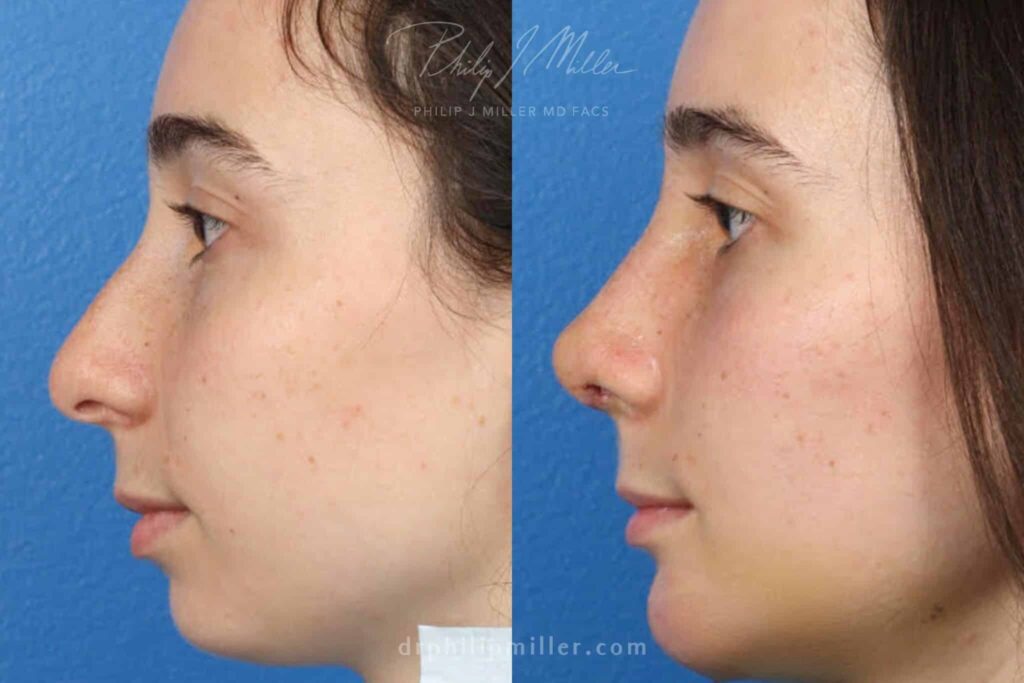
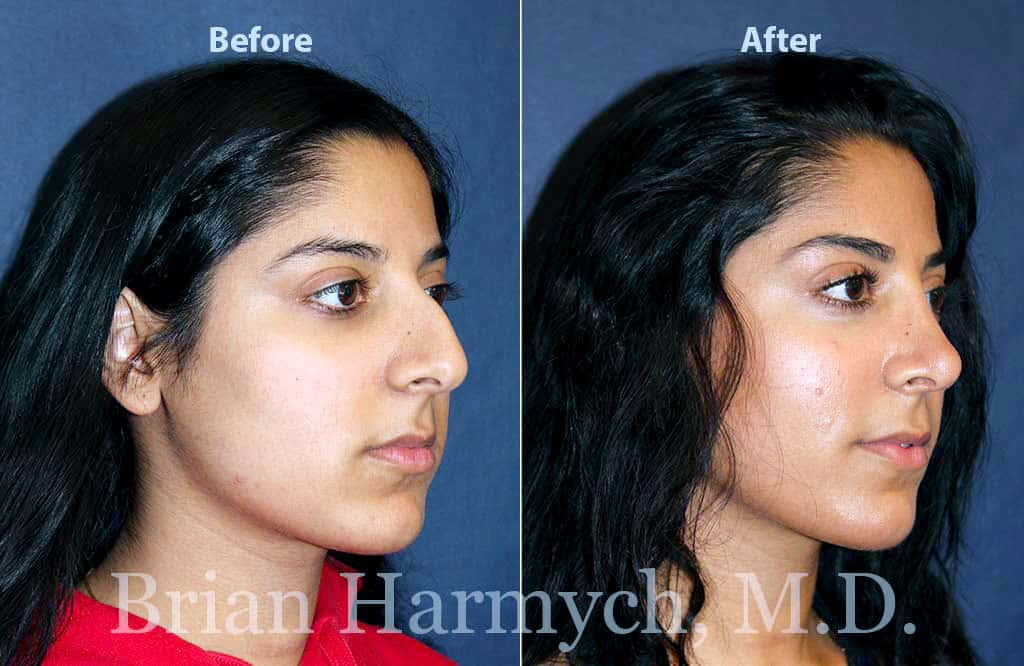
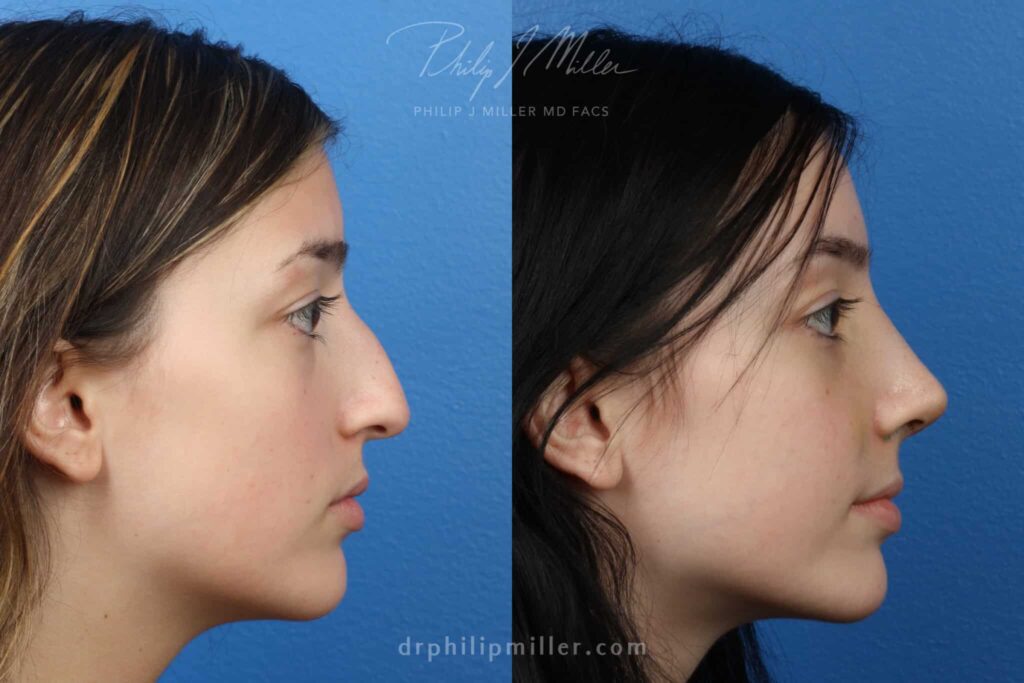
Rhinoplasty can address a variety of concerns related to nasal appearance, such as reducing or increasing the size of the nose, reshaping the tip, straightening a crooked nose, or refining the nasal bridge. By achieving a more balanced and proportional nose, you can experience a transformative improvement in your overall facial appearance.
Correcting Structural Issues
Aside from cosmetic reasons, rhinoplasty can also be performed to correct structural issues that may be causing breathing difficulties or other functional problems. Some individuals are born with structural abnormalities, such as a deviated septum or a nasal valve collapse, which can interfere with proper airflow and result in chronic nasal congestion or breathing issues.
In such cases, rhinoplasty can not only improve the external appearance of the nose but also correct these underlying structural issues. By resolving these functional problems, individuals can enjoy improved breathing and enhanced overall quality of life.
Benefits of Rhinoplasty
Rhinoplasty offers numerous benefits, both cosmetic and functional. Let’s explore some of the advantages of undergoing this transformative procedure.
Enhanced Facial Harmony
By altering the size, shape, or symmetry of your nose, rhinoplasty can greatly enhance the facial harmony and balance of your features. A well-proportioned nose can bring all your facial features into better alignment, creating a more aesthetically pleasing and attractive appearance.
Improved Breathing
In cases where individuals suffer from structural abnormalities or blockages, rhinoplasty can correct these issues and improve nasal airflow. This can lead to a significant improvement in breathing, alleviating chronic nasal congestion and snoring, and ultimately allowing for better overall respiratory function.
Boost in Self-Confidence
A nose that you are unhappy with can significantly impact your self-esteem and confidence. By addressing the aspects of your nose that you dislike, rhinoplasty can help boost your self-image and ultimately enhance your overall self-confidence. This newfound confidence can positively impact various aspects of your life, from social interactions to professional opportunities.
Correction of Birth Defects
Some individuals are born with congenital nasal abnormalities or deformities that can affect their appearance and breathing abilities. Rhinoplasty can correct these birth defects, improving both the aesthetics and functionality of the nose. By addressing these issues early on, individuals can avoid potential physical and emotional challenges associated with their nasal condition.
Improved Sleeping Patterns
Certain structural issues, such as a deviated septum, can contribute to snoring, sleep apnea, and other sleep-related problems. Rhinoplasty can correct these issues, enabling individuals to experience more restful sleep and improved overall sleep patterns. Better sleep quality can lead to greater energy levels, increased productivity, and better overall health.
Types of Rhinoplasty
There are different techniques used in rhinoplasty procedures to achieve the desired results. The three primary types of rhinoplasty include open rhinoplasty, closed rhinoplasty, and revision rhinoplasty, each with its own unique approach and benefits.
Open Rhinoplasty
Open rhinoplasty involves making an incision across the columella, the thin strip of tissue between the nostrils. This technique allows the surgeon to have a more direct view of the nasal structures, making it ideal for complex or extensive nasal reshaping. It provides better access for the surgeon to manipulate and reposition cartilage, bones, and tissues, resulting in precise and accurate changes.
Closed Rhinoplasty
Closed rhinoplasty, also known as endonasal rhinoplasty, involves making incisions inside the nostrils, with no external scarring. This technique is suitable for cases where there is minimal reshaping required. Although the surgeon has limited visibility with this approach, closed rhinoplasty offers the advantage of faster recovery time, decreased swelling, and reduced post-operative discomfort.
Revision Rhinoplasty
Revision rhinoplasty is performed on individuals who have previously undergone a rhinoplasty procedure but are unsatisfied with the results. This specialized procedure is more complex and requires an experienced surgeon to correct the aesthetic or functional issues resulting from the initial surgery. Revision rhinoplasty aims to address concerns not resolved in the previous procedure or to correct any complications that may have arisen.
Choosing a Surgeon
Selecting a skilled and reputable surgeon is a crucial step in achieving successful rhinoplasty results. Here are some essential factors to consider when choosing a surgeon for your procedure.
Accreditation and Certification
Ensure that the surgeon you choose is board-certified and has the necessary accreditations from reputable medical organizations. Board certification ensures that the surgeon has undergone rigorous training and meets the highest standards of safety and expertise in performing rhinoplasty procedures.
Experience and Expertise
Consider the surgeon’s experience and specialization in rhinoplasty. Look for a surgeon who has extensive experience and a track record of successful rhinoplasty procedures. Specialization in nasal surgery indicates a deeper understanding of the complex nasal structures and the ability to address a wide range of aesthetic and functional concerns.
Before and After Photos
Ask the surgeon for before and after photos of previous rhinoplasty patients. Reviewing these photos will give you a clear idea of the surgeon’s skill, aesthetic sensibility, and the ability to achieve natural-looking results. Pay attention to patients with similar nose profiles or concerns to yours to gauge the surgeon’s capability in addressing your specific needs.
Patient Testimonials
Read or listen to testimonials from previous rhinoplasty patients. Hearing about their experiences and satisfaction with the surgeon and the procedure can provide valuable insight into the surgeon’s patient care and the overall experience you can expect.
Communication and Trust
During your consultation, pay attention to how well the surgeon listens to your concerns and goals. A good surgeon should take the time to understand your expectations and provide realistic insights into what can be achieved through rhinoplasty. Establishing open and honest communication is crucial for building trust and ensuring that you are comfortable throughout the entire process.
Rhinoplasty Consultation
A rhinoplasty consultation is an integral part of the process, as it allows you to discuss your goals, understand the treatment plan, and address any concerns you may have. Here’s what you can expect during a rhinoplasty consultation:
Discussion of Goals
The surgeon will begin by discussing your specific goals and desired outcomes for the procedure. They will assess your concerns and make recommendations based on your unique facial features and nasal structure. It’s essential to communicate your expectations clearly to ensure that the surgeon understands your vision for the final result.
Evaluation of Facial Structure
The surgeon will thoroughly examine your facial structure, including the nose, chin, and surrounding features. They will assess factors such as your skin type, the shape of your face, and the current size and proportions of your nose. This evaluation helps the surgeon determine the most appropriate approach and techniques to achieve your desired results.
Creation of a Customized Treatment Plan
Based on your goals and facial evaluation, the surgeon will create a customized treatment plan tailored to your specific needs. They will explain the proposed changes, the techniques involved, and the expected outcomes. This personalized plan ensures that the procedure addresses your unique concerns and achieves the desired improvements.
Explanation of Risks and Limitations
The surgeon will discuss the potential risks and limitations associated with rhinoplasty. It’s essential to have a clear understanding of the possible complications and understand that no surgery is entirely risk-free. Openly discussing these factors will help you make an informed decision and set realistic expectations for the outcome.
Cost and Financing Options
During the consultation, you will also receive information about the cost of the procedure and the available financing options. Rhinoplasty costs may vary based on several factors, including the surgeon’s experience, the complexity of the procedure, and the geographic location. The surgeon’s office can provide detailed information on payment plans, insurance coverage, and other financial considerations.
Preparing for Rhinoplasty Surgery
Proper preparation before rhinoplasty surgery is crucial to ensure a smooth procedure and optimal recovery. Here are some important steps to take before your surgery date:
Medical Evaluation
Before undergoing any surgery, it’s essential to undergo a comprehensive medical evaluation. This evaluation will assess your overall health, identify any underlying medical conditions that could affect the surgery or recovery process, and ensure that you are physically prepared for the procedure.
Smoking and Medication Cessation
If you smoke, it is crucial to abstain from smoking for a period of time before and after your rhinoplasty surgery. Smoking can impair the healing process and increase the risk of complications. Additionally, certain medications and supplements, such as aspirin or blood thinners, may need to be temporarily stopped, as they can increase the risk of bleeding during surgery.
Arranging Transportation and Support
As rhinoplasty is performed under anesthesia, arranging transportation to and from the surgical facility is necessary. It is advisable to have someone accompany you on the day of the surgery to provide support and assistance during the recovery period. Having a trusted individual to drive you home and stay with you for the initial recovery stage can ease any post-operative discomfort and ensure your safety.
Planning for Recovery
Preparing your recovery space in advance can contribute to a smoother and more comfortable healing process. Set up a comfortable resting area with pillows to elevate your head, ensuring proper blood flow and reducing swelling. Stock up on necessary supplies, such as saline spray, pain medication prescribed by your surgeon, and any required dressings. It is also helpful to have comfortable, loose-fitting clothing that does not need to be pulled over the head.
The Rhinoplasty Procedure
During the actual rhinoplasty procedure, several steps are followed to achieve the desired changes. Understanding what happens during the surgery can help you feel more informed and prepared for the process.
Anesthesia
Rhinoplasty is typically performed under general anesthesia, which means you will be comfortably asleep throughout the procedure. General anesthesia ensures your complete comfort and allows the surgeon to work with precision and focus on reshaping the nose.
Incision Placement
The specific incision placement will depend on the chosen technique for your rhinoplasty. In open rhinoplasty, an incision is made across the columella, while closed rhinoplasty utilizes incisions within the nostrils. The surgeon will choose the technique that best suits your individual needs and desired outcome.
Reshaping the Nose
Once the incisions have been made, the surgeon will carefully lift the soft tissues and access the underlying nasal structures. They will reshape the cartilage and bones as discussed during the consultation, removing or adding tissue as necessary. This process allows for the desired changes to be made, whether it involves reducing the size of the nose, refining the tip, or straightening the nasal bridge.
Closing the Incisions
After the necessary changes have been made, the surgeon will close the incisions using sutures or dissolvable stitches. If external sutures are utilized, they are typically removed within a week after the surgery. The internal incisions in closed rhinoplasty will not require removal as they are fully concealed within the nostrils.
Recovery and Aftercare
Proper post-operative care and adherence to the surgeon’s instructions are essential for a smooth recovery and optimal results. Here are some key aspects of the rhinoplasty recovery process:
Post-Operative Instructions
Your surgeon will provide you with detailed post-operative instructions to follow after your rhinoplasty surgery. These instructions will cover topics such as wound care, medication management, activity restrictions, and dietary recommendations. Following these instructions diligently will promote proper healing and minimize the risk of complications.
Pain Management
Some discomfort and swelling are expected after rhinoplasty surgery. Your surgeon will prescribe appropriate pain medications to manage any post-operative pain you may experience. It’s important to take medications as directed and notify your surgeon if the pain becomes persistently severe or if you experience any unusual symptoms during the recovery period.
Swelling and Bruising
Swelling and bruising are common after rhinoplasty and can take several weeks to subside. Applying cold compresses as instructed by your surgeon can help reduce swelling and speed up the healing process. It’s important to have realistic expectations about the timeline of recovery and be patient as your body adjusts to the changes made during the surgery.
Follow-Up Appointments
Regular follow-up appointments with your surgeon are crucial for monitoring your progress and addressing any concerns or questions you may have during the recovery period. These appointments allow your surgeon to evaluate the healing process, remove any sutures if necessary, and make any further recommendations for your recovery.
Possible Risks and Complications
Although rhinoplasty is generally considered safe, it is essential to be aware of the potential risks and complications associated with any surgical procedure. While complications are rare, it is important to discuss the risks with your surgeon and consider them before making a decision. Some of the possible risks include:
Infection
Infection is a rare but possible complication after rhinoplasty surgery. Following your surgeon’s instructions for wound care and taking any prescribed antibiotics can help minimize the risk of infection. It’s important to monitor the incision sites for signs of infection, such as increased redness, swelling, or discharge, and notify your surgeon if any concerning symptoms arise.
Bleeding
Although some bleeding is expected immediately after surgery, excessive or persistent bleeding should be reported to your surgeon immediately. It is normal to experience blood-tinged nasal discharge for a few days following the procedure. However, if significant bleeding occurs, it may indicate a complication that requires medical attention.
Numbness or Loss of Sensation
Temporary numbness or loss of sensation in the nose or surrounding areas is common after rhinoplasty. This typically resolves gradually as the healing process progresses. However, in rare cases, some individuals may experience permanent changes in sensation. It is important to discuss this potential risk with your surgeon during the consultation.
Nasal Obstruction
In rare cases, rhinoplasty may result in nasal obstruction or difficulty breathing. This can occur if excessive scar tissue develops or if the structural changes made do not adequately support proper airflow. Discussing your concerns with your surgeon during the consultation will help ensure that your nose’s functionality is considered during the planning stages of the procedure.
Scarring
With closed rhinoplasty, scarring is typically not visible, as all incisions are confined within the nostrils. In open rhinoplasty, a small scar may be visible across the columella, but it tends to fade over time and becomes less noticeable. It’s important to discuss the potential scarring with your surgeon and understand the likelihood of scarring based on your chosen technique.
Long-Term Results and Maintenance
Rhinoplasty can provide long-lasting results when performed by a skilled and experienced surgeon. However, it’s important to understand that several factors can influence the longevity of your results.
Permanent Changes
Rhinoplasty results are typically permanent, barring any unforeseen accidents or injuries. The changes made to the nasal structure and appearance during rhinoplasty are designed to be long-lasting and age well with the rest of your facial features. However, it’s important to note that the natural aging process and the effects of gravity may still have some impact on your nose’s appearance over time.
Maintaining Results
To maintain the best possible long-term results, it’s essential to follow your surgeon’s aftercare instructions and maintain a healthy lifestyle. Protecting your nose from trauma, avoiding excessive sun exposure, and practicing good skincare are all essential factors in preserving the quality and longevity of your rhinoplasty results.
Avoiding Trauma to the Nose
Following your rhinoplasty, it’s important to be mindful of your activities and surroundings to avoid any trauma to the nose. Impact or injury to the nose can potentially compromise the results of your surgery. Engaging in contact sports or activities that involve significant physical contact should be approached with caution and protective gear whenever possible.
In conclusion, rhinoplasty offers both cosmetic and functional benefits for individuals seeking to improve their nasal appearance and correct structural issues. By understanding the various types of rhinoplasty, choosing a skilled surgeon, and following proper pre-operative preparation and post-operative care, you can achieve desirable and long-lasting results. Remember that open and honest communication with your surgeon is key to ensuring that your goals and expectations are met, and that you can confidently embark on your rhinoplasty journey.