
When considering rhinoplasty, it’s essential to grasp the various factors that can affect the overall cost of the procedure. The price of rhinoplasty is not a one-size-fits-all figure; it can vary significantly based on multiple elements. One of the primary factors is the complexity of the surgery itself.
If you are seeking a straightforward cosmetic enhancement, the costs may be lower than if you require extensive reconstruction due to previous injuries or congenital issues. The intricacies involved in your specific case will play a crucial role in determining the final price tag. Another significant factor is the geographical location of the surgery.
Prices can fluctuate dramatically from one region to another, influenced by local demand, cost of living, and the availability of qualified surgeons. For instance, rhinoplasty in a metropolitan area may be more expensive than in a smaller town. Understanding these nuances can help you set realistic expectations regarding the financial commitment involved in your rhinoplasty journey.
Key Takeaways
- Rhinoplasty surgery costs are influenced by factors such as surgeon’s fees, anesthesia and facility fees, post-surgery care, additional procedures, insurance coverage, geographic location, and financing options.
- Consultation fees and pre-surgery expenses are important to consider when budgeting for rhinoplasty surgery, as they can add to the overall cost.
- Surgeon’s fees and experience play a significant role in determining the cost of rhinoplasty surgery, as more experienced surgeons may charge higher fees.
- Anesthesia and facility fees are essential components of rhinoplasty surgery costs, and patients should inquire about these fees during the consultation process.
- Post-surgery care and follow-up costs should be factored into the overall cost of rhinoplasty surgery, as they are necessary for a successful recovery.
Consultation Fees and Pre-surgery Expenses
Before undergoing rhinoplasty, you will likely incur consultation fees and other pre-surgery expenses. During your initial consultation, you will meet with a surgeon to discuss your goals, assess your nasal structure, and determine the best approach for your needs. This consultation is crucial, as it sets the foundation for your surgical plan.
While some surgeons may offer free consultations, others may charge a fee that can range from $100 to $500. It’s important to factor this into your budget when planning for rhinoplasty. In addition to consultation fees, you may also encounter other pre-surgery expenses.
These can include medical tests, imaging studies, or even prescriptions for medications that you may need before the surgery. Depending on your health insurance plan, some of these costs might be covered, but it’s wise to verify what is included in your coverage. Being aware of these potential expenses will help you prepare financially and avoid any surprises as you move forward with your rhinoplasty.
Surgeon’s Fees and Experience
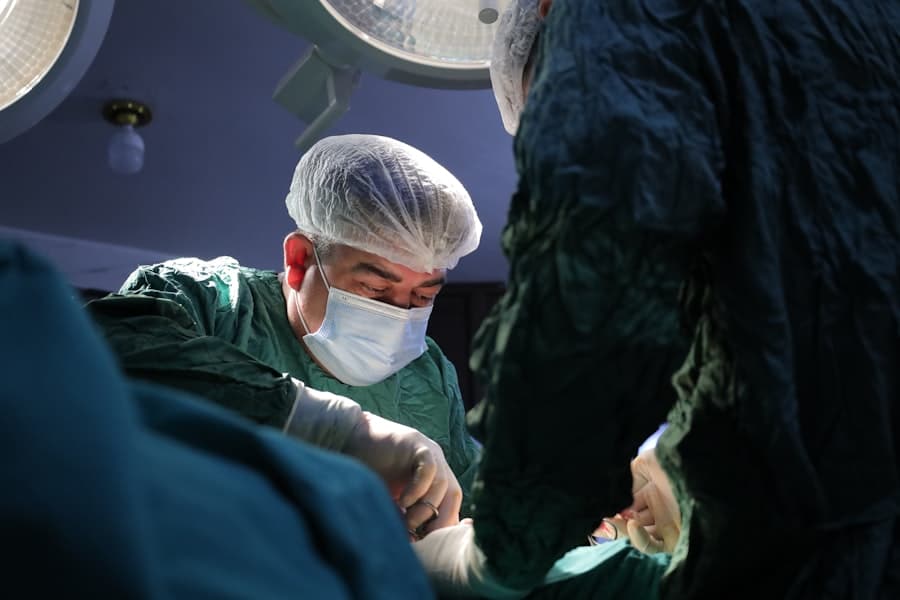
The surgeon’s fees are often one of the most significant components of the total cost of rhinoplasty. The experience and reputation of the surgeon can greatly influence their fees. Highly skilled and board-certified surgeons with extensive experience in performing rhinoplasty may charge more than those who are newer to the field.
However, investing in a qualified surgeon can lead to better outcomes and reduce the likelihood of complications or the need for revision surgery later on. When evaluating surgeons, consider not only their fees but also their track record and patient reviews. A surgeon with a proven history of successful rhinoplasties may be worth the higher cost, as their expertise can contribute to achieving your desired results.
It’s essential to balance cost with quality when selecting a surgeon, as this decision will significantly impact your overall satisfaction with the procedure.
Anesthesia and Facility Fees
Anesthesia and facility fees are additional costs that you should consider when budgeting for rhinoplasty. The type of anesthesia used during your procedure—whether local or general—can affect the overall cost. General anesthesia tends to be more expensive due to the need for an anesthesiologist and additional monitoring during the surgery.
Understanding these costs upfront will help you make informed decisions about your surgical plan. Facility fees also vary depending on where your surgery is performed. If you choose to have your rhinoplasty done in a hospital setting, you may encounter higher facility fees compared to an outpatient surgical center.
Each facility has its pricing structure based on factors such as location, amenities, and level of care provided. It’s advisable to inquire about these fees during your consultation so that you can accurately assess the total cost of your rhinoplasty.
Post-surgery Care and Follow-up Costs
Post-surgery care is an essential aspect of the rhinoplasty process that should not be overlooked when considering costs. After your procedure, you will likely need follow-up appointments with your surgeon to monitor your healing progress and address any concerns that may arise. These follow-up visits can incur additional costs, which vary depending on the surgeon’s office policies.
Moreover, you may require specific medications or supplies for your recovery, such as pain relievers or nasal sprays. These expenses can add up quickly, so it’s wise to budget for them in advance. Understanding the full scope of post-surgery care will help ensure that you are financially prepared for all aspects of your rhinoplasty journey.
Additional Procedures and Revision Rhinoplasty
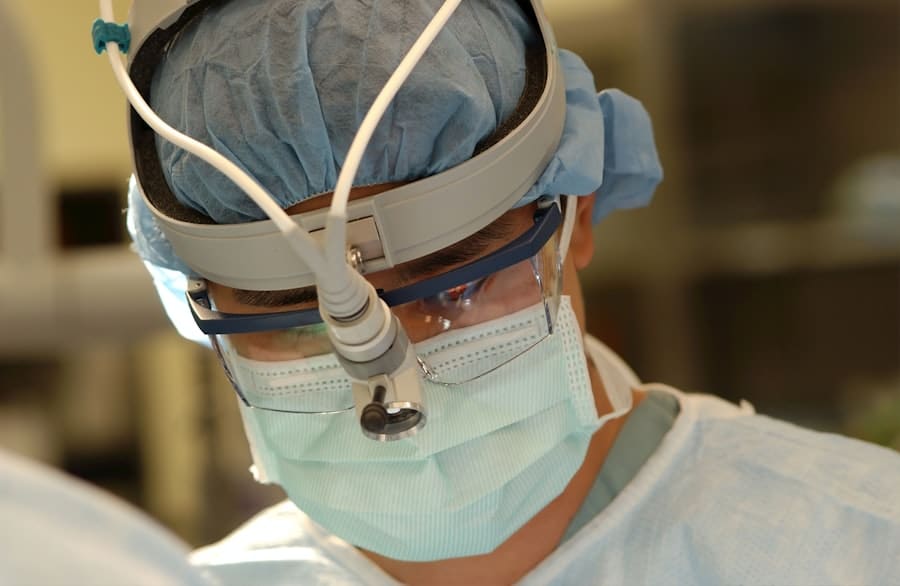
In some cases, patients may choose to undergo additional procedures alongside their rhinoplasty to achieve a more comprehensive aesthetic result. These could include chin augmentation or facelift surgery, which can increase the overall cost significantly. If you are considering combining procedures, it’s essential to discuss this with your surgeon during your consultation so that you can receive an accurate estimate of the total expenses involved.
Additionally, some patients may find themselves needing revision rhinoplasty if they are not satisfied with their initial results or if complications arise. Revision surgeries can be more complex and costly than primary procedures due to scar tissue and other factors. It’s crucial to have realistic expectations about the potential need for revisions and to factor this into your overall budget when planning for rhinoplasty.
Insurance Coverage and Financing Options
Insurance coverage for rhinoplasty can be a complex issue, as it often depends on whether the procedure is deemed medically necessary or purely cosmetic. If you are undergoing rhinoplasty to correct a functional issue—such as a deviated septum—your insurance may cover part or all of the costs associated with the surgery. It’s essential to check with your insurance provider to understand what is covered under your plan and what documentation may be required.
If insurance does not cover your procedure or if you are seeking cosmetic enhancements, many surgeons offer financing options to help make rhinoplasty more affordable. Payment plans can allow you to spread out the cost over time, making it easier to manage financially. Be sure to inquire about financing options during your consultation so that you can explore all available avenues for funding your surgery.
Geographic Location and Cost Variances
The geographic location where you choose to have your rhinoplasty performed can significantly impact the overall cost of the procedure. In larger cities or regions with a high demand for cosmetic surgery, prices tend to be higher due to increased competition among surgeons and higher operational costs for facilities. Conversely, smaller towns or less populated areas may offer more affordable options.
When considering where to have your surgery, it’s important to balance cost with quality and safety. While it might be tempting to choose a less expensive option in a different location, ensure that you are still selecting a qualified surgeon with a good reputation. Researching various geographic locations can help you find a balance between affordability and quality care.
Researching and Comparing Rhinoplasty Surgery Costs
Thorough research is vital when it comes to understanding and comparing rhinoplasty surgery costs. Start by gathering information from multiple surgeons in your area or even beyond if you’re open to traveling for surgery. Many surgeons provide detailed breakdowns of their fees on their websites or during consultations, allowing you to compare costs effectively.
In addition to comparing prices, take note of what each fee includes—such as pre-operative consultations, anesthesia costs, facility fees, and post-operative care. This comprehensive approach will give you a clearer picture of what you can expect financially and help you make an informed decision about which surgeon offers the best value for your needs.
Negotiating and Discussing Payment Plans
Once you’ve narrowed down your options for rhinoplasty surgeons, don’t hesitate to discuss payment plans or negotiate costs directly with them. Many surgeons understand that rhinoplasty is a significant financial commitment for patients and may be willing to work with you on payment arrangements that fit within your budget. Be open about your financial situation during these discussions; transparency can lead to more favorable terms or even discounts in some cases.
Additionally, inquire about any available promotions or packages that could reduce costs further while still ensuring high-quality care.
Finding Affordable and Quality Rhinoplasty Surgery Options in Weston, Florida
If you’re specifically looking for affordable yet quality rhinoplasty options in Weston, Florida, there are several strategies you can employ. Start by researching local surgeons who specialize in rhinoplasty and have positive reviews from previous patients. Look for board-certified plastic surgeons who have extensive experience in performing this specific procedure.
Consider attending local cosmetic surgery seminars or open houses where you can meet surgeons in person and ask questions about their techniques and pricing structures. Networking with others who have undergone similar procedures can also provide valuable insights into finding affordable options without compromising on quality care. In conclusion, understanding the various factors influencing rhinoplasty costs is crucial for anyone considering this transformative procedure.
By being informed about consultation fees, surgeon experience, anesthesia costs, post-surgery care, insurance coverage, geographic variances, and financing options, you can make educated decisions that align with both your aesthetic goals and financial situation. With thorough research and careful planning, achieving your desired results through rhinoplasty can become a reality without breaking the bank.
If you’re considering rhinoplasty surgery in Weston, Florida, it’s important to understand not only the costs associated with the procedure itself but also the expenses related to pre- and post-operative care. These additional costs can significantly impact your overall budget for the surgery. For a detailed breakdown of these expenses, you can refer to a related article that discusses the Costs of Pre- and Post-Rhinoplasty Care. This resource provides valuable insights into what you can expect financially before and after your surgery, helping you plan more effectively.
FAQs
What is rhinoplasty surgery?
Rhinoplasty, commonly known as a nose job, is a surgical procedure to reshape or resize the nose for cosmetic or functional reasons.
How much does rhinoplasty surgery cost in Weston, Florida?
The cost of rhinoplasty surgery in Weston, Florida can vary depending on the surgeon’s experience, the complexity of the procedure, and the geographic location. On average, the cost can range from $5,000 to $15,000.
What factors can affect the cost of rhinoplasty surgery?
Factors that can affect the cost of rhinoplasty surgery include the surgeon’s fees, anesthesia fees, facility fees, pre-operative tests, post-operative care, and any additional procedures that may be required.
Does health insurance cover the cost of rhinoplasty surgery?
In most cases, health insurance does not cover the cost of rhinoplasty surgery if it is performed for cosmetic reasons. However, if the surgery is deemed medically necessary to correct breathing problems or other functional issues, insurance may provide coverage.
Are there financing options available for rhinoplasty surgery?
Many plastic surgery practices offer financing options to help patients cover the cost of rhinoplasty surgery. These options may include payment plans, medical credit cards, or financing through third-party companies.