
Rhinoplasty, commonly referred to as a nose job, is a surgical procedure designed to reshape or reconstruct the nose. Whether you are considering rhinoplasty for cosmetic reasons or to correct a functional issue, understanding the intricacies of the procedure is essential. The surgery can address various concerns, such as altering the size of the nose, changing the shape of the tip or bridge, narrowing the nostrils, or correcting breathing problems caused by structural defects.
By familiarizing yourself with the fundamentals of rhinoplasty, you can make informed decisions about your options and what to expect during the process. The procedure itself can vary significantly based on individual needs and desired outcomes. It can be performed using either an open or closed technique, depending on the complexity of the changes being made.
In an open rhinoplasty, a small incision is made across the columella, allowing for greater visibility and access to the nasal structures. Conversely, closed rhinoplasty involves incisions made within the nostrils, resulting in no visible scarring. Understanding these techniques will help you communicate effectively with your surgeon about your goals and preferences.
Key Takeaways
- Rhinoplasty is a surgical procedure to reshape the nose for aesthetic or functional purposes.
- Finding the right surgeon is crucial for a successful rhinoplasty, so research and choose a board-certified and experienced surgeon.
- Before rhinoplasty, prepare by quitting smoking, avoiding certain medications, and discussing any concerns with the surgeon.
- Before and after photos are important for understanding the potential results of rhinoplasty and choosing the right surgeon.
- When looking at before and after rhinoplasty photos, focus on the overall balance and harmony of the nose with the rest of the face.
Finding the Right Surgeon
Choosing the right surgeon is one of the most critical steps in your rhinoplasty journey. You want to ensure that you are in capable hands, as the skill and experience of your surgeon can significantly impact your results. Start by researching board-certified plastic surgeons who specialize in facial procedures, particularly rhinoplasty.
Look for reviews and testimonials from previous patients to gauge their satisfaction and experiences. This will give you a clearer picture of what to expect and help you narrow down your options. Once you have a list of potential surgeons, schedule consultations to discuss your goals and concerns.
During these meetings, pay attention to how well the surgeon listens to you and addresses your questions. A good surgeon will take the time to understand your vision and provide honest feedback about what is achievable. Additionally, ask to see before-and-after photos of their previous patients to assess their work.
This will not only give you insight into their style but also help you determine if their aesthetic aligns with your expectations.
Preparing for Rhinoplasty
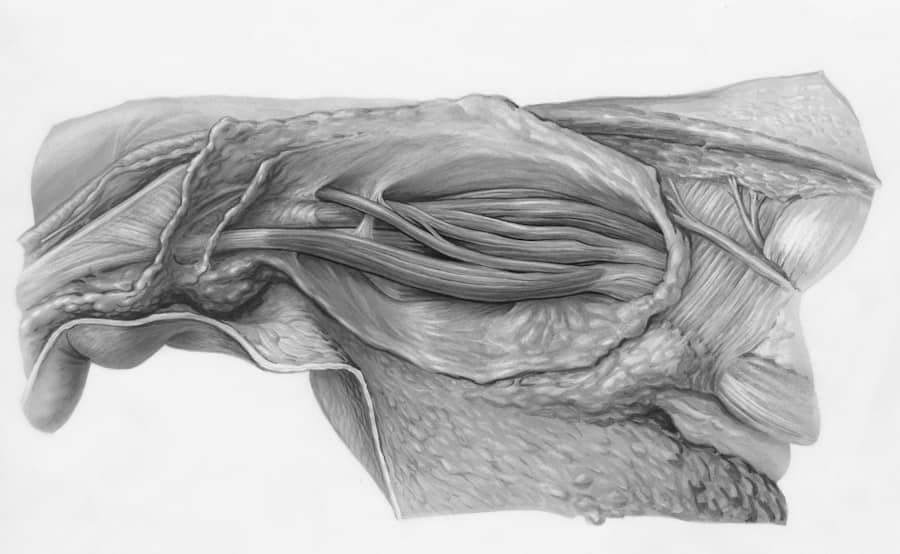
Preparation for rhinoplasty involves both physical and mental readiness. Before undergoing surgery, it is crucial to have a thorough consultation with your surgeon to discuss your medical history, any medications you are taking, and your overall health. Your surgeon may recommend certain lifestyle changes leading up to the procedure, such as quitting smoking or avoiding blood-thinning medications.
These steps are vital for minimizing risks and ensuring a smoother recovery process. In addition to physical preparation, mental readiness is equally important. Take time to reflect on your motivations for wanting rhinoplasty and ensure that your expectations are realistic.
It can be helpful to talk with friends or family members who have undergone similar procedures or seek support from online communities. This will not only provide you with valuable insights but also help you feel more confident in your decision.
The Importance of Before and After Photos
Before and after photos play a crucial role in the rhinoplasty process. They serve as a visual reference for both you and your surgeon, helping to establish realistic expectations for your results. By examining these images, you can gain insight into the potential outcomes of your surgery and better understand the surgeon’s capabilities.
This visual documentation can also help you articulate your desired changes more effectively during consultations. Moreover, before and after photos can provide reassurance as you navigate through your own transformation. Seeing the positive results achieved by others can bolster your confidence in the procedure and alleviate any apprehensions you may have.
However, it is essential to remember that each individual’s results will vary based on unique anatomical features and healing processes.
What to Look for in Before and After Rhinoplasty Photos
When reviewing before and after photos, there are several key factors to consider that can help you assess a surgeon’s work effectively. First, look for consistency in results across different patients. A skilled surgeon should demonstrate a range of successful outcomes that reflect their ability to tailor procedures to individual needs.
Pay attention to various angles and lighting conditions in the photos; this will give you a more comprehensive understanding of how the nose looks from different perspectives. Additionally, consider the overall harmony of the facial features in the after photos. A successful rhinoplasty should enhance not only the nose but also complement other facial structures.
Look for results that appear natural rather than overly altered; this is often a sign of a surgeon who prioritizes aesthetic balance over dramatic changes. Finally, take note of any visible scarring; while some scarring is inevitable, a skilled surgeon will minimize its appearance through careful incision placement.
Realistic Expectations
Having realistic expectations is paramount when considering rhinoplasty. While it is natural to desire an idealized version of yourself, it is essential to understand that no surgical procedure can create perfection. Your surgeon will work with you to achieve improvements that align with your facial structure and personal goals, but it is crucial to accept that results may not match exactly what you envision.
Embracing this mindset will help you approach the surgery with a balanced perspective. To foster realistic expectations, engage in open discussions with your surgeon about what is achievable based on your unique anatomy. They can provide insights into potential limitations and guide you toward outcomes that enhance your natural beauty rather than drastically altering your appearance.
By setting attainable goals, you can enjoy a more satisfying experience throughout your rhinoplasty journey.
The Healing Process
The healing process following rhinoplasty is an essential aspect of your overall experience. Immediately after surgery, you may experience swelling, bruising, and discomfort; these are normal reactions as your body begins to heal. Your surgeon will provide specific post-operative care instructions, which may include using ice packs to reduce swelling and taking prescribed medications for pain management.
Adhering to these guidelines will significantly impact your recovery speed and comfort level. As days turn into weeks, you will notice gradual improvements in both swelling and overall appearance. While some residual swelling may persist for several months, most patients see significant changes within the first few weeks post-surgery.
It’s important to be patient during this time; full results may take up to a year to manifest as your nose continues to settle into its new shape. Staying in touch with your surgeon during this period can provide reassurance and guidance as you navigate through recovery.
Potential Risks and Complications
Like any surgical procedure, rhinoplasty carries potential risks and complications that you should be aware of before proceeding. Common risks include infection, excessive bleeding, or adverse reactions to anesthesia. While these complications are relatively rare when performed by a qualified surgeon, it’s essential to discuss them openly during your consultations so that you can make an informed decision about moving forward.
In addition to physical risks, some patients may experience emotional challenges during recovery as they adjust to their new appearance. It’s crucial to recognize that feelings of anxiety or disappointment can occur as swelling subsides and results become more apparent. Having a support system in place—whether through friends, family, or professional counseling—can help you navigate these emotional ups and downs effectively.
Maintaining Results
Once you’ve undergone rhinoplasty and achieved your desired results, maintaining those results becomes a priority. While surgical changes are permanent, certain lifestyle factors can influence how well your nose retains its new shape over time. For instance, avoiding smoking and excessive sun exposure can help preserve skin elasticity and overall facial aesthetics.
Additionally, regular follow-up appointments with your surgeon are essential for monitoring your progress and addressing any concerns that may arise post-surgery. Your surgeon can provide personalized advice on maintaining results based on your unique anatomy and lifestyle choices. By staying proactive about your health and well-being, you can enjoy the benefits of your rhinoplasty for years to come.
The Emotional Impact of Rhinoplasty
The emotional impact of rhinoplasty can be profound and multifaceted. For many individuals, undergoing this procedure represents a significant step toward self-improvement and confidence enhancement. As you look in the mirror post-surgery and see changes that align more closely with your self-image, it’s common to experience feelings of joy and empowerment.
However, it’s also important to acknowledge that not everyone experiences an immediate positive emotional shift after surgery. Some individuals may grapple with feelings of uncertainty or anxiety as they adjust to their new appearance. Understanding that these emotions are valid can help normalize the experience; seeking support from loved ones or professionals can further aid in processing these feelings during this transitional period.
Celebrating Your New Look
After navigating through the challenges of preparation, surgery, recovery, and emotional adjustment, it’s time to celebrate your new look! Embracing this change can be an empowering experience that allows you to step into a new chapter of self-confidence and self-expression. Consider planning a small gathering with friends or family where you can share your journey and showcase your transformation.
Additionally, take time for self-reflection on how far you’ve come throughout this process. Documenting your journey through journaling or photography can serve as a reminder of your resilience and commitment to personal growth. Ultimately, celebrating your new look is not just about physical changes; it’s about embracing the newfound confidence that comes from taking charge of your appearance and well-being.
When considering rhinoplasty, many patients find it helpful to look at before and after photos to understand the potential outcomes of the procedure. For those interested in the nuances of rhinoplasty, a related article discussing the common reasons behind revision rhinoplasties can provide valuable insights. You can read more about this topic in the article Why Are Revision Rhinoplasties So Common?. This resource can help you better understand the factors that may influence the results of your surgery.
FAQs
What is rhinoplasty?
Rhinoplasty, commonly known as a nose job, is a surgical procedure to reshape or resize the nose for cosmetic or functional purposes.
What are the common reasons for getting rhinoplasty?
Common reasons for getting rhinoplasty include correcting a nasal hump, refining the nasal tip, improving nasal symmetry, correcting breathing problems, and enhancing overall facial harmony.
What are before and after rhinoplasty photos?
Before and after rhinoplasty photos are images that show the appearance of a patient’s nose before and after undergoing a rhinoplasty procedure. These photos are often used by plastic surgeons to showcase their work and demonstrate the potential results of the surgery.
How can before and after rhinoplasty photos help patients?
Before and after rhinoplasty photos can help patients visualize the potential results of the surgery and make informed decisions about their own treatment. They can also serve as a reference point for discussing specific aesthetic goals with the plastic surgeon.
What should patients consider when viewing before and after rhinoplasty photos?
When viewing before and after rhinoplasty photos, patients should consider the overall aesthetic results, the surgeon’s skill and expertise, and the specific changes made to the nose. It’s important to remember that each patient’s results may vary based on individual anatomy and healing process.