
Choosing the right surgeon for a rhinoplasty is a significant decision, and you’re likely looking for someone with extensive experience, particularly in areas like Craig Ranch, Texas. You want a surgeon who possesses not only technical skill but also a deep understanding of facial anatomy and aesthetics to achieve results that are both functional and harmonious with your features. This article aims to guide you through considerations when seeking an experienced rhinoplasty surgeon in the Craig Ranch, Texas area, focusing on what you should look for and what to expect.
Rhinoplasty is a complex surgical procedure, often referred to as a “nose job.” It involves reshaping the bone and cartilage of the nose to improve appearance, breathing, or both. The nose is a central feature of your face, and any alterations significantly impact your overall look. This is precisely why the surgeon’s experience is paramount.
The Nuances of Nasal Anatomy
Your nose is not a simple structure. It’s a delicate balance of bone, cartilage, skin, and soft tissue. Experienced surgeons have an intimate knowledge of these components and how they interact. They understand the subtle differences in cartilage thickness, skin elasticity, and bone structure that vary from person to person. This knowledge allows them to anticipate potential challenges and tailor the surgical approach to your specific anatomy.
Bone Structure: The Foundation of Your Nose
The bony framework of your nose provides its underlying structure. Surgeons need to know precisely where and how much to adjust the nasal bones to achieve desired width and proportion. This might involve osteotomies, or controlled bone cuts, to narrow the bridge or refine its shape. An experienced surgeon knows the precise angles and depths for these cuts to minimize trauma and ensure proper healing.
Cartilage: The Sculptable Elements
Cartilage forms the lower part of your nose, including the tip and nostrils. This is where much of the aesthetic refinement occurs. Experienced surgeons are adept at shaping, reshaping, and even grafting cartilage to achieve the desired nasal tip projection, definition, and symmetry. They understand the different types of cartilage (e.g., septal, alar) and their specific properties, allowing them to use them effectively for structural support and aesthetic enhancement.
Soft Tissue and Skin: The Outer Layer
The skin and soft tissue envelope of the nose play a crucial role in the final outcome. The thickness and quality of your skin can influence how the underlying cartilage and bone structures appear. An experienced surgeon will assess your skin’s characteristics and plan the surgery accordingly. They understand how to manipulate and reposition tissue to achieve a smooth, natural-looking contour without overtightening or creating unnatural tension.
The Impact of Surgical Volume
While experience isn’t solely defined by years in practice, surgical volume is a strong indicator. A surgeon who performs a high volume of rhinoplasties likely encounters a wider range of nasal issues and anatomical variations. This repeated exposure hones their skills, sharpens their judgment, and builds a repository of knowledge from countless cases.
Case Diversity and Problem-Solving
With a high volume of surgeries, an experienced surgeon has likely addressed numerous primary rhinoplasties (first-time surgeries) and revision rhinoplasties (surgeries to correct previous procedures). Each case presents unique challenges, from correcting asymmetry and breathing problems to addressing deformities from trauma or congenital conditions. The ability to effectively problem-solve in diverse situations is a hallmark of extensive experience.
Refining Techniques Through Practice
Repetition breeds refinement. An experienced rhinoplasty surgeon has likely iterated on their techniques, developing personalized approaches that yield consistently good results. They are familiar with various surgical maneuvers and know which ones are best suited for different anatomical situations and aesthetic goals.
If you’re considering rhinoplasty and want to learn more about the procedure, you might find this informative article helpful: Rhinoplasty FAQs. It covers common questions and concerns that patients often have, providing valuable insights that can aid in your decision-making process. Experienced rhinoplasty surgeon Craig in Ranch, TX, emphasizes the importance of being well-informed before undergoing any cosmetic procedure, and this article serves as a great resource for potential patients.
Identifying Experienced Rhinoplasty Surgeons in Craig Ranch, TX
Craig Ranch, a thriving community in North Texas, is part of a larger metropolitan area with access to numerous plastic surgeons. However, pinpointing those with genuine, specialized experience in rhinoplasty requires careful research and due diligence.
Board Certification: The Baseline Qualification
The first and most crucial step is to ensure that any surgeon you consider is board-certified by a recognized specialty board. For plastic surgery, this typically means being certified by the American Board of Plastic Surgery (ABPS). This certification indicates that the surgeon has met rigorous standards of training, expertise, and ethical conduct in the field of plastic surgery.
Understanding ABPS Certification
The ABPS is the only board recognized by the American Board of Medical Specialties (ABMS) for plastic surgery. Surgeons who are ABPS-certified have completed accredited residency programs, passed comprehensive written and oral examinations, and are committed to ongoing continuing medical education. This certification is your assurance of a foundational level of expertise.
Specialization in Rhinoplasty
While being board-certified in plastic surgery is essential, it’s also beneficial to seek surgeons who have a particular focus or specialization in rhinoplasty. Some surgeons dedicate a significant portion of their practice to facial plastic surgery or, more specifically, to rhinoplasty.
Identifying a Rhinoplasty Specialist
How do you identify a specialist? Look for surgeons who:
- Mention rhinoplasty prominently on their website: A surgeon who specializes will dedicate significant space to explaining their approach to rhinoplasty, showcasing before-and-after photos, and discussing the nuances of the procedure.
- Have a high percentage of rhinoplasty cases: While not always public information, dedicated specialists often report that a substantial portion of their surgical practice is devoted to rhinoplasty.
- Are involved in rhinoplasty research or teaching: Surgeons who contribute to the field through research, publications, or teaching at academic institutions often demonstrate a deep commitment and advanced understanding of rhinoplasty.
- Offer both primary and revision rhinoplasty: The ability to successfully perform revision rhinoplasty indicates a higher level of skill and experience, as these cases are inherently more complex.
Geographic Considerations and Local Expertise
While you may be willing to travel for an exceptional surgeon, focusing your search in and around Craig Ranch, TX, can offer several advantages.
Proximity for Post-Operative Care
Having a highly experienced surgeon located conveniently in or near Craig Ranch means easier access for your pre-operative consultations, the surgery itself, and, crucially, your post-operative follow-up appointments. This proximity is vital for monitoring your healing progress and addressing any concerns promptly.
Understanding Local Aesthetic Preferences
While aesthetics are subjective, local surgeons may have a better understanding of the prevailing aesthetic preferences within the Craig Ranch community and the broader Dallas-Fort Worth area. This isn’t about conforming to trends, but rather about understanding what looks harmonious and natural within this particular demographic.
The Consultation: Your Opportunity to Assess Experience
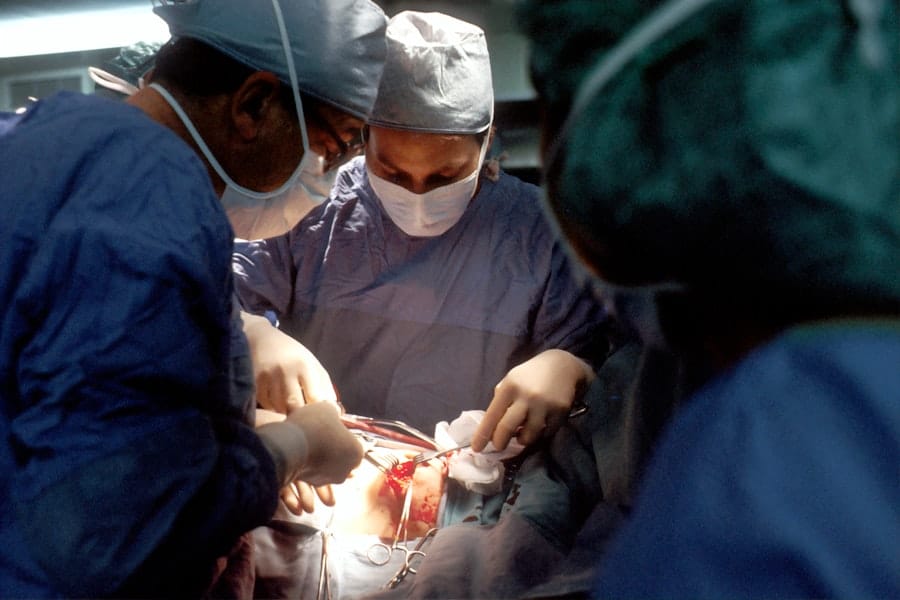
Your initial consultation with a prospective rhinoplasty surgeon is arguably the most critical phase of your decision-making process. This is where you get to directly assess their experience, communication style, and overall suitability for your needs.
What to Discuss During the Consultation
Go into the consultation prepared with a list of questions and a clear understanding of your goals.
Your Motivations and Goals
Be open and honest about why you desire rhinoplasty. Are you looking for aesthetic improvements, or are you experiencing functional issues like difficulty breathing? Clearly articulating your goals helps the surgeon understand your expectations.
Aesthetic Aims
Do you want to refine the nasal tip, reduce the dorsal hump, narrow the bridge, or improve nostril symmetry? Discuss these specific aesthetic desires.
Functional Concerns
If you have breathing issues, be sure to mention them. An experienced surgeon will assess both the cosmetic and functional aspects of your nose. They may use diagnostic tools to evaluate nasal airflow.
Medical History and Previous Surgeries
Provide a complete overview of your medical history, including any allergies, medications you’re taking, and previous surgeries, especially any related to your nose or face.
Past Nasal Procedures
If you’ve had prior rhinoplasty or nasal surgery, this is especially important information. Revision rhinoplasty requires a different approach and a higher level of expertise.
The Surgeon’s Assessment of Your Nose
The surgeon should conduct a thorough examination of your nose, both externally and internally, if necessary. They should discuss their observations regarding your nasal anatomy and how it relates to your aesthetic and functional goals.
Examination of Nasal Structure
They will likely assess the bone and cartilage structure, skin thickness, and symmetry.
Evaluation of Breathing Function
If you complain of breathing difficulties, they should perform an assessment of your nasal airflow.
Questions to Ask to Gauge Experience
Don’t hesitate to ask direct questions to ascertain the surgeon’s experience level.
“How many rhinoplasties do you perform annually?”
This question helps you understand their surgical volume. A high number indicates consistent practice in the procedure.
“What percentage of your practice is dedicated to rhinoplasty?”
This further refines the understanding of their specialization. A significant percentage suggests a primary focus.
“Are you experienced in performing revision rhinoplasties?”
If you are considering a revision, this is a crucial question. Revision rhinoplasty is often more challenging than primary rhinoplasty.
“Can you show me before-and-after photos of patients with similar nasal concerns to mine?”
Looking at a surgeon’s portfolio is essential. Pay attention to the results for patients with similar starting points and desired outcomes. Do the results appear natural and balanced?
“What are the potential risks and complications associated with rhinoplasty, and how do you manage them?”
An experienced surgeon will be transparent about potential risks and have clear strategies for minimizing and managing them.
Communication and Trust
Beyond technical skill, a good surgeon is an excellent communicator. You should feel comfortable asking questions, and the surgeon should explain things in a way you understand.
Clear Explanations
The surgeon should clearly articulate the recommended surgical plan, the expected outcomes, and the recovery process.
Realistic Expectations
An experienced surgeon will set realistic expectations about what can be achieved. They will not overpromise or guarantee perfect results, as individual healing and outcomes can vary.
Surgical Techniques and Approach
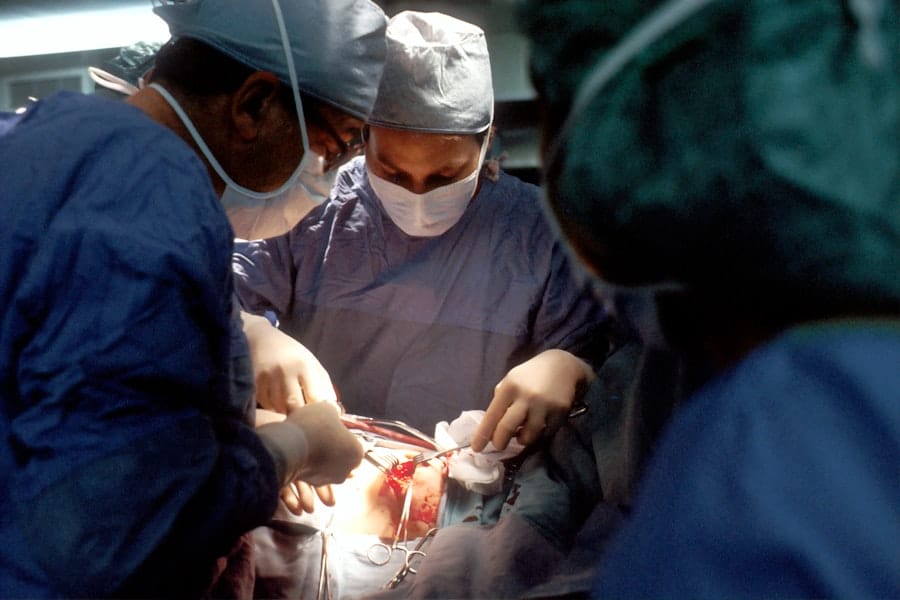
Understanding the surgical techniques a surgeon employs can provide insight into their experience and philosophy. While you won’t need to be an expert, asking about their general approach can be informative.
Open vs. Closed Rhinoplasty
There are two primary approaches to rhinoplasty: open and closed. Each has its advantages and disadvantages.
The Open Rhinoplasty Technique
The open technique involves a small incision (columellar incision) made across the underside of the nose, between the nostrils. This allows the surgeon to lift the skin and soft tissue, providing direct visualization of the underlying nasal structures.
Advantages: Direct Visualization
This direct view can be particularly beneficial for complex cases, revision rhinoplasties, and significant tip work, allowing for precise adjustments.
Considerations: Scarring
The columellar incision results in a small, usually well-concealed scar.
The Closed Rhinoplasty Technique
The closed technique involves all incisions made internally, through the nostrils. This avoids an external scar.
Advantages: No External Scar
The primary advantage is the absence of a visible external scar.
Considerations: Limited Visualization
The internal-only approach can offer less direct visualization, which may make it less suitable for certain complex modifications.
Your Surgeon’s Preferred Method
An experienced rhinoplasty surgeon will be proficient in both techniques and will recommend the approach they believe is best suited to your individual anatomy and aesthetic goals. They should be able to explain their reasoning for choosing one over the other.
Tailoring the Approach
The decision between open and closed rhinoplasty is not one-size-fits-all. An experienced surgeon will consider factors such as the complexity of the desired changes, the need for cartilage grafting, and the patient’s anatomy.
Use of Cartilage Grafts
Many rhinoplasties involve the use of cartilage grafts. These are pieces of cartilage taken from other parts of your body (e.g., septum, ear, or rib) to provide structural support or to refine specific nasal contours.
Supporting Nasal Structure
Grafts are often used to strengthen the nasal bridge, support the nasal tip, or correct breathing obstructions.
Aesthetic Refinement
They are also crucial for reshaping the nasal tip, adding projection, or defining the columella. An experienced rhinoplasty surgeon will be skilled in harvesting and precisely placing these grafts to achieve predictable and stable results.
If you’re considering rhinoplasty, it’s essential to be informed about various cosmetic procedures and the myths surrounding them. An insightful article that debunks common misconceptions is available here: 10 Facelift Myths Everyone Should Stop Believing. Understanding these myths can help you make a more educated decision when consulting with an experienced rhinoplasty surgeon in Craig Ranch, TX.
Post-Operative Care and Recovery
| Metrics | Data |
|---|---|
| Years of Experience | 15 years |
| Success Rate | 95% |
| Number of Procedures Performed | Over 500 |
| Patient Satisfaction Rate | 98% |
The surgical procedure is only one part of the rhinoplasty journey. Your surgeon’s guidance on post-operative care and recovery is crucial for achieving the best possible outcome and ensuring a smooth healing process.
Understanding the Recovery Timeline
Rhinoplasty recovery is a process that takes time. While immediate swelling and bruising are visible, the subtle changes and final results can take a year or more to fully manifest.
Initial Recovery: Days to Weeks
In the first few days and weeks, you will experience swelling, bruising, and some discomfort. Your surgeon will provide pain medication and detailed instructions on how to manage these symptoms, including keeping your head elevated.
Gradual Resolution of Swelling
Swelling will gradually subside over the following months. The tip of the nose often remains swollen for the longest period.
Long-Term Healing: Up to a Year or More
The intricate structures within the nose continue to heal and settle for up to a year or even longer. This is why patience is essential during the recovery period.
The Surgeon’s Role in Post-Operative Care
An experienced rhinoplasty surgeon will have a well-defined post-operative protocol and will be accessible to address any concerns you may have during your recovery.
Follow-Up Appointments
Regular follow-up appointments are essential for monitoring your healing progress, assessing for any complications, and ensuring that your results are developing as expected.
Managing Complications
While rare, complications can occur. An experienced surgeon will be prepared to identify and manage any issues that may arise promptly. This includes addressing infection, bleeding, or unfavorable aesthetic outcomes.
Guidance on Activity and Lifestyle
Your surgeon will provide clear guidance on when you can resume normal activities, exercise, and protect your nose from potential injury.
Choosing a Surgeon in Craig Ranch, TX
When you are searching for an experienced rhinoplasty surgeon in the Craig Ranch, TX area, focus on these key areas: board certification, specialization in rhinoplasty, a strong portfolio of natural-looking results, clear communication during consultations, and a comprehensive post-operative care plan. By conducting thorough research and asking the right questions, you can increase your confidence in selecting a surgeon who can help you achieve your desired aesthetic and functional outcomes for your rhinoplasty. Remember that patience with the healing process is as important as the surgical skill of your chosen surgeon.
FAQs
What is rhinoplasty?
Rhinoplasty, commonly known as a nose job, is a surgical procedure to reshape or resize the nose for cosmetic or functional purposes.
What qualifications should an experienced rhinoplasty surgeon have?
An experienced rhinoplasty surgeon should be board-certified in plastic surgery, have extensive training and experience specifically in rhinoplasty procedures, and a proven track record of successful outcomes.
What is Craig Ranch, TX known for in terms of rhinoplasty surgery?
Craig Ranch, TX is known for having experienced rhinoplasty surgeons who are skilled in performing a wide range of rhinoplasty procedures, including cosmetic and functional nose surgeries.
What are the benefits of choosing an experienced rhinoplasty surgeon in Craig Ranch, TX?
Choosing an experienced rhinoplasty surgeon in Craig Ranch, TX can provide patients with access to advanced techniques, personalized care, and a high level of expertise in achieving natural-looking results.
What should I consider when choosing an experienced rhinoplasty surgeon in Craig Ranch, TX?
When choosing an experienced rhinoplasty surgeon in Craig Ranch, TX, it is important to consider their qualifications, experience, before-and-after photos of previous patients, and the ability to communicate effectively and understand your specific goals and concerns.