
Navigating Your Open Rhinoplasty Journey in Craig Ranch, McKinney
When considering a significant cosmetic procedure like rhinoplasty, you’re embarking on a journey that involves careful research, informed decision-making, and trust in your chosen surgeon. If you’re located in the Craig Ranch and McKinney area of Texas, you’ve likely encountered information about open rhinoplasty and are keen to understand what this procedure entails and how to find a qualified surgeon. This article aims to provide you with practical insights into open rhinoplasty, focusing on what you can expect throughout the process with a surgeon in your vicinity.
Open rhinoplasty is a surgical technique that provides your surgeon with direct and unobstructed visibility of the nasal structures. This method involves an incision made across the columella, the strip of tissue that separates your nostrils. While this may sound more involved, it allows for precise manipulation of the cartilage and bone, making it particularly suitable for complex revisions, significant structural changes, or when rebuilding is required.
The Columellar Incision: A Gateway to Precision
The hallmark of open rhinoplasty is the external incision across the columella. This incision, once healed, typically becomes well-concealed within the natural shadows of the nostrils. Your surgeon will meticulously close this incision to minimize scarring.
Why Choose Open Rhinoplasty Over Closed?
The decision between open and closed rhinoplasty hinges on the complexity of your aesthetic goals and any functional concerns you may have. Closed rhinoplasty involves internal incisions, offering the advantage of no visible external scarring. However, it can limit the surgeon’s view and access, making it less ideal for intricate corrections or extensive reshaping. Open rhinoplasty, with its direct visualization, allows for a more comprehensive approach to refining the nasal tip, addressing asymmetry, and correcting significant structural issues.
Assessing Nasal Anatomy: A Surgeon’s Perspective
Your surgeon will conduct a thorough examination of your nasal anatomy before recommending the open approach. This assessment includes evaluating the skin thickness, cartilage strength, existing bone structure, and any previous surgical history. Understanding these elements is crucial for dictating the surgical plan and anticipating potential challenges.
Benefits of Direct Visualization
The primary advantage of the open technique is the unparalleled access it grants. This direct view allows for:
- Precise Tip Refinement: This is arguably where open rhinoplasty truly shines. Surgeons can meticulously reshape the nasal tip cartilage, improving projection, defining the supratip break, and ensuring symmetry with the rest of the nose.
- Structural Support and Grafting: When significant augmentation or structural support is needed, such as in cases of a drooping tip or a collapsed nasal wall, the open approach facilitates the placement and securement of cartilage grafts with greater accuracy.
- Correction of Complex Issues: Previous rhinoplasties that may have resulted in asymmetry, asymmetry, or breathing difficulties often require the detailed work that open rhinoplasty enables.
- Improved Symmetry: Achieving balanced proportions on both sides of the nose is a common goal, and the direct visualization in open rhinoplasty significantly aids in this endeavor.
When is Open Rhinoplasty Recommended?
While many rhinoplasty procedures can be performed using either technique, open rhinoplasty is often the preferred choice for:
- Primary Rhinoplasty with Significant Aesthetic Goals: If you desire substantial changes to the nasal shape, particularly the tip, the open approach offers greater control.
- Revision Rhinoplasty: Correcting issues from a previous surgery typically involves scar tissue and altered anatomy, making the direct approach of open rhinoplasty essential for precise adjustments.
- Rhinoplasty for Functional Improvement: When addressing breathing problems like a deviated septum or internal/external nasal valve collapse, the open approach allows for better visualization and dissection of the relevant structures.
- Nasal Reconstruction: In cases of trauma or congenital deformities, extensive rebuilding of the nasal framework is often necessary, making open rhinoplasty the most effective method.
Potential Downsides and Considerations
While offering significant advantages, open rhinoplasty is not without its considerations:
- Slightly Longer Operative Time: Due to the external incision and detailed dissection, open rhinoplasty procedures may take longer than closed ones.
- External Scarring: Although efforts are made to minimize and camouflage the columellar scar, it is an external mark that will be present.
- Swelling and Recovery: Swelling can sometimes be more pronounced and persist longer with open rhinoplasty compared to the closed technique, although this varies significantly from patient to patient.
Managing Expectations Regarding Scarring
It is crucial to have a realistic understanding of the columellar scar. Your surgeon will employ meticulous suturing techniques and provide educated post-operative care instructions to promote optimal healing. Over time, the scar typically fades considerably and becomes very difficult to detect.
If you are considering open rhinoplasty and want to ensure you choose the right surgeon, it may be helpful to explore related topics such as the importance of asking the right questions during your consultation. An informative article titled “7 Questions to Ask Your Facelift Surgeon” provides valuable insights that can also apply to rhinoplasty consultations. You can read it here: 7 Questions to Ask Your Facelift Surgeon. This resource can help you feel more prepared and confident when discussing your options with an experienced surgeon like Craig Ranch in McKinney.
Finding a Skilled Open Rhinoplasty Surgeon in Craig Ranch, McKinney
Choosing the right surgeon is paramount to achieving your desired outcome and ensuring your safety. In the Craig Ranch and McKinney area, you have access to a pool of experienced plastic surgeons specializing in facial procedures, including rhinoplasty. Your search should be guided by specific criteria to identify a surgeon who aligns with your needs and aesthetic vision.
The Importance of Board Certification and Experience
When researching potential surgeons, prioritize those who are board-certified by the American Board of Plastic Surgery or the American Board of Facial Plastic and Reconstructive Surgery. This certification indicates that they have met rigorous standards of training, ethics, and competency. Beyond certification, inquire about their specific experience with open rhinoplasty.
Evaluating Surgeon Credentials
- Board Certification: Ensure the surgeon holds current board certification.
- Specialization: Do they primarily focus on facial plastic surgery and rhinoplasty?
- Years of Experience: While not the sole indicator, a surgeon with a decade or more of experience may have encountered a wider range of cases.
- Fellowship Training: Some surgeons complete additional fellowships in areas like facial plastic surgery, which can signify advanced training.
Reviewing Before-and-After Galleries
A surgeon’s before-and-after photo gallery is an invaluable tool for assessing their aesthetic sense and their ability to achieve results consistent with your goals. Look for patients with similar nasal concerns and desired outcomes.
What to Look for in a Photo Gallery:
- Natural-Looking Results: The nose should appear harmonized with the rest of the face.
- Variety of Cases: Does the gallery showcase a range of rhinoplasty types (primary, revision, functional)?
- Consistency: Are the results consistently good across multiple patients?
- Nasal Tip Refinement: Pay close attention to how the surgeon has reshaped and supported the nasal tip.
- Scarring: While not always prominently displayed, observe if there are any visible scars in post-operative photos.
Patient Testimonials and Reviews
Online reviews and patient testimonials can offer insights into other individuals’ experiences with a particular surgeon and their practice. While not a definitive guide, they can highlight aspects of patient care, communication, and overall satisfaction.
Navigating Online Reviews:
- Look for Patterns: Consistent positive or negative feedback on specific aspects (e.g., staff friendliness, surgeon’s communication, outcome satisfaction) can be telling.
- Consider the Source: Be cautious of overly enthusiastic or consistently negative reviews that may not be representative.
- Focus on Detailed Accounts: Reviews that offer specific details about the patient’s journey are often more informative.
The Crucial Consultation: Your Opportunity for Assessment
The initial consultation is your most important interaction with a potential surgeon. This is where you can assess their communication style, their understanding of your goals, and their proposed surgical plan.
Key Questions to Ask During Your Consultation:
- What is your experience with open rhinoplasty specifically?
- Based on my goals, do you recommend open or closed rhinoplasty? Why?
- What are the potential risks and complications associated with this procedure for me?
- What is your recommended surgical plan to achieve my desired outcome?
- Can you show me before-and-after photos of patients with similar nasal concerns to mine?
- What can I expect during the recovery process, including pain management and swelling?
- When can I expect to see the final results of the surgery?
- What are your thoughts on the overall harmony and balance of my facial features?
The Open Rhinoplasty Procedure: What to Expect
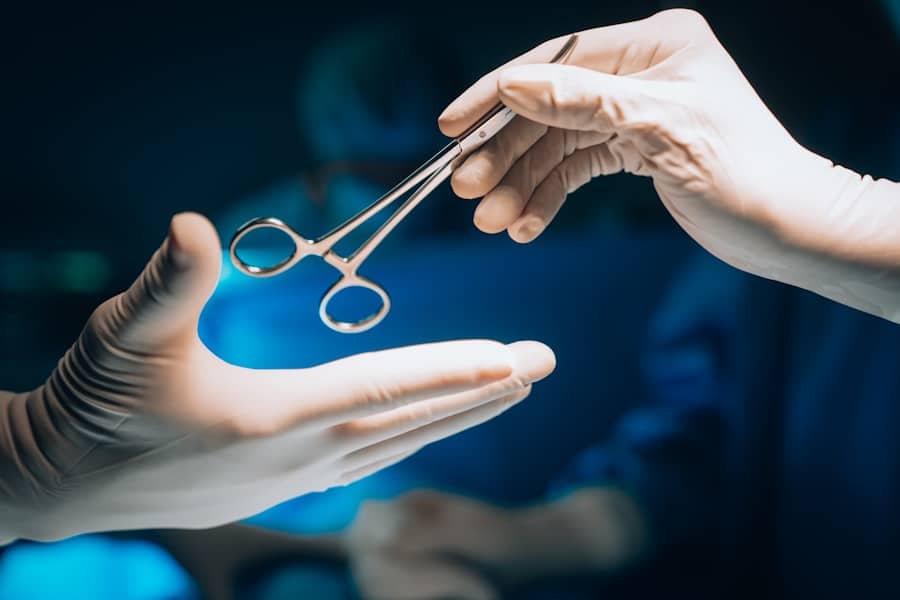
When you undergo open rhinoplasty, you’re engaging in a carefully orchestrated surgical process designed to achieve precise and predictable results. Understanding each stage, from preparation to immediate post-operative care, can help alleviate anxiety and ensure you’re well-informed.
Pre-Operative Preparations: Setting the Stage for Success
Before your surgery, your surgeon will provide detailed instructions to prepare you. Adhering to these guidelines is crucial for optimal healing and minimizing risks.
Key Preparatory Steps:
- Medical History Review: You’ll undergo a thorough review of your medical history, including any pre-existing conditions, allergies, and medications you are currently taking. This helps the surgical team identify any potential risks and tailor the anesthetic plan.
- Medication Adjustments: Certain medications, such as blood thinners (aspirin, ibuprofen, certain supplements like Vitamin E), may need to be temporarily discontinued to reduce the risk of bleeding.
- Smoking Cessation: If you smoke, you will be strongly advised to quit several weeks before and after surgery, as smoking severely impairs healing and increases complication rates.
- Arranging Support: You’ll need to arrange for someone to drive you home after surgery and to stay with you for at least the first 24-48 hours to assist with daily activities.
- Fasting Instructions: You’ll be instructed on when to stop eating and drinking before your surgery, typically at midnight the night before.
The Surgical Day: An Overview of the Procedure
On the day of your surgery, you’ll arrive at the surgical facility where you’ll meet with the nursing staff and your anesthesiologist. The procedure is typically performed under general anesthesia, ensuring you are comfortable and pain-free throughout.
Steps of the Open Rhinoplasty Procedure:
- Anesthesia Administration: The anesthesiologist will administer the chosen anesthetic, and you’ll be monitored closely throughout the surgery.
- Incision and Exposure: The surgeon will make the carefully planned incision across the columella and through the inner lining of the nostrils. This allows the skin and soft tissue to be lifted, providing clear access to the underlying nasal cartilage and bone.
- Reshaping and Reconstruction: This is the core of the surgery. The surgeon will meticulously reshape the cartilage, trim or add bone as needed, and use cartilage grafts (often harvested from your septum, ear, or rib) to augment or support specific areas.
- Closure: Once the desired shape and structure are achieved, the skin and soft tissues are redraped, and the incisions are closed meticulously with fine sutures.
- Dressing and Splinting: A protective nasal splint will be applied to the outside of your nose to support the new structure and reduce swelling. Gauze or dressings may be placed inside the nostrils to manage bleeding and support the septum.
The Role of Anesthesia in Your Comfort
General anesthesia ensures a pain-free experience during the procedure. Your anesthesiologist will tailor the anesthetic plan to your individual needs and health status, monitoring your vital signs and ensuring your safety throughout the surgery.
Post-Operative Recovery: Healing and Reshaping
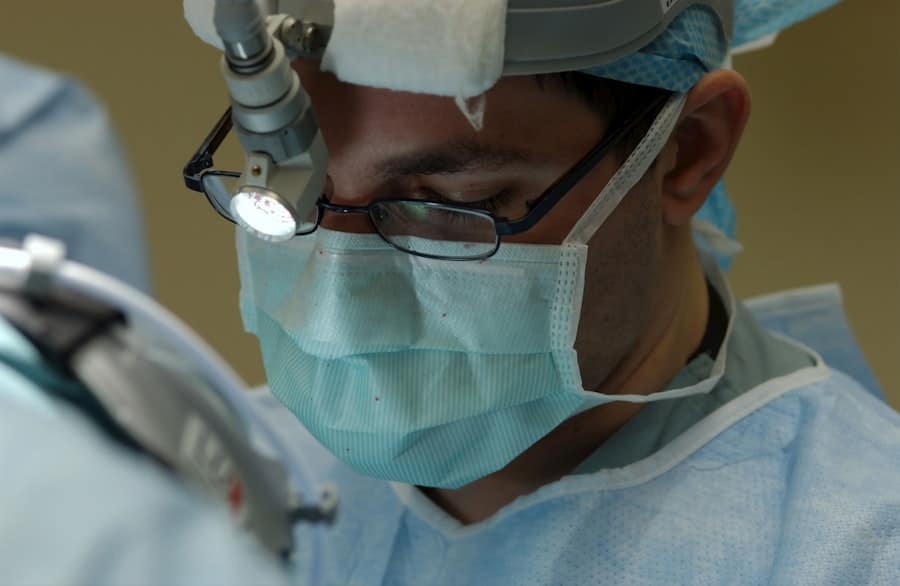
The recovery period following open rhinoplasty is a critical phase where your body begins to heal and the new nasal structure settles into its final form. Understanding what to expect during this time can help you navigate the healing process smoothly.
Initial Recovery (First Week): Managing Swelling and Discomfort
The first week is typically the most intensive period of recovery. You will likely experience swelling, bruising, and some discomfort.
Key Aspects of the First Week:
- Pain Management: Your surgeon will prescribe pain medication to manage any discomfort.
- Swelling and Bruising: Swelling and bruising around the nose and eyes are common and usually peak in the first few days. Cold compresses can help alleviate swelling.
- Nasal Congestion: Internal dressings and swelling will likely cause significant nasal congestion, making breathing through your nose difficult. You will be advised to breathe through your mouth.
- Drainage: Some minor oozing from the incisions is normal.
- Activity Restrictions: Strenuous activity, heavy lifting, and bending over should be avoided to minimize bleeding and swelling.
- Nasal Care: You’ll receive specific instructions on how to care for your nose, including keeping the incisions clean and avoiding touching the splint.
Ongoing Healing (Weeks 2-6): Gradual Improvement and Return to Activities
As you move beyond the first week, you’ll notice a significant reduction in swelling and bruising. Recovery is a gradual process.
Progression of Healing:
- Splint Removal: Your nasal splint is typically removed by your surgeon about a week after surgery. This is often a significant milestone, revealing the initial results, though swelling will still be apparent.
- Reduced Swelling: Swelling will continue to decrease gradually. The most noticeable swelling will subside within a few weeks, but subtle swelling can persist for several months.
- Return to Normal Activities: Most patients can return to light work and non-strenuous activities within one to two weeks.
- Exercise and Strenuous Activities: More vigorous exercise and sports should be avoided for at least 4-6 weeks, or as advised by your surgeon.
Long-Term Healing and Final Results (Months to a Year)
The final results of open rhinoplasty become apparent over an extended period as the swelling fully dissipates and the tissues settle.
The Final Stages of Refinement:
- Subtle Swelling: While major swelling resolves within weeks, very subtle swelling, particularly in the nasal tip, can linger for up to a year or even longer in some cases.
- Scar Maturation: The columellar scar will continue to mature and fade over time, becoming increasingly less noticeable.
- Nasal Sensation: It’s common to experience some numbness or altered sensation in the tip of the nose. This usually improves gradually over months.
- Achieving Final Form: The true, refined shape of your nose will be evident approximately 12-18 months post-surgery. Patience is key during this final stage.
Understanding Nasal Tip Swelling
The nasal tip is often the last area to fully resolve its swelling due to its less dense cartilage structure. Your surgeon will provide specific advice on managing tip swelling, which may include gentle massage techniques.
If you are considering open rhinoplasty, it’s essential to choose a qualified surgeon who can provide the best results for your needs. A related article discusses the critical factors to consider when selecting a rhinoplasty surgeon, which can be incredibly helpful in your decision-making process. For more insights, you can read the article on choosing a qualified rhinoplasty surgeon here. Open rhinoplasty can offer significant improvements, but the expertise of your surgeon plays a vital role in achieving the desired outcome.
Aesthetic Considerations and Realistic Outcomes
| Metrics | Data |
|---|---|
| Surgeon Name | Craig Ranch |
| Procedure | Open Rhinoplasty |
| Location | Mckinney |
| Technique | Open approach |
| Recovery Time | 1-2 weeks |
Open rhinoplasty is a powerful tool for reshaping the nose, but it’s essential to approach the procedure with realistic expectations. Understanding the aesthetic principles your surgeon will consider, and the limitations of the procedure, will contribute to your satisfaction.
Harmony and Balance: The Surgeon’s Aesthetic Blueprint
A skilled rhinoplasty surgeon aims to create a nose that is not only aesthetically pleasing in isolation but also harmonizes with your other facial features. This involves considering proportions and balance.
Key Aesthetic Principles:
- Facial Proportions: The nose should complement the forehead, cheeks, and chin.
- Profile View: The degree of dorsal hump reduction, tip projection, and the nasolabial angle are critical for an attractive profile.
- Frontal View: Symmetry, nostril width, and the width of the nasal bridge are important considerations.
- Nasal Tip Definition: Achieving a well-defined and appropriately projected nasal tip without appearing artificial is a primary goal.
- Nasolabial Angle: The angle between the upper lip and the base of the nose plays a significant role in the overall appearance of the nose and face.
Customizing the Surgical Plan for Your Unique Face
No two noses are alike, and therefore, no two rhinoplasty procedures should be identical. Your surgeon will tailor the surgical plan to your specific anatomy and aesthetic desires.
Factors Influencing the Surgical Plan:
- Existing Nasal Anatomy: The thickness of your skin, the strength of your cartilage, and the underlying bone structure will dictate the possibilities.
- Your Goals: Your desired outcome—whether it’s a subtle refinement or a more significant change—will guide the surgical approach.
- Previous Surgeries: If you’ve had prior rhinoplasty, the existing scar tissue and altered anatomy will influence the surgical technique.
- Ethnicity: Certain ethnic features can inform the surgical approach and desired outcomes, aiming for a result that respects ethnic identity.
Addressing Functional Concerns Alongside Aesthetics
For many, rhinoplasty is not solely about aesthetics; it’s also about improving breathing. Open rhinoplasty offers an excellent opportunity to address both simultaneously.
The Dual Benefit of Rhinoplasty:
- Septoplasty: If you have a deviated septum hindering airflow, your surgeon can often straight-line it during the rhinoplasty procedure.
- Nasal Valve Support: Weak internal or external nasal valves, which can cause collapse during inhalation, can be reinforced using cartilage grafts during open rhinoplasty.
- Improved Airway: By addressing structural issues, open rhinoplasty can lead to significant improvements in breathing, enhancing overall quality of life.
The Importance of a Comprehensive Nasal Assessment
During your consultation, your surgeon will perform a thorough evaluation of both the external appearance and the internal airflow of your nose to identify any functional deficits.
The Role of Follow-Up Care in Long-Term Success
The journey with your open rhinoplasty surgeon doesn’t end when the surgery is complete. Consistent follow-up care is vital for monitoring your healing, addressing any concerns, and ensuring that you achieve the best possible long-term outcome.
Scheduled Post-Operative Appointments
Your surgeon will schedule a series of follow-up appointments to assess your progress. These appointments are crucial for:
- Wound Inspection: Checking the healing of your incisions and ensuring there are no signs of infection.
- Swelling Assessment: Monitoring the reduction of swelling and providing guidance on managing it.
- Splint and Dressing Changes: As mentioned, splints are typically removed by the surgeon, and internal dressings may be adjusted or removed as healing progresses.
- Addressing Patient Concerns: This is your opportunity to ask questions and voice any anxieties you may have about your recovery or the results.
Understanding the Follow-Up Schedule
Typically, you’ll have appointments at one week, one month, three months, six months, and one year post-surgery, though this can vary based on your individual healing and the surgeon’s practice.
Open Communication with Your Surgeon
Maintaining open and honest communication with your surgeon throughout the recovery process is paramount. Don’t hesitate to reach out if you experience any unusual symptoms or have concerns between scheduled appointments.
When to Contact Your Surgeon Immediately:
- Sudden, severe pain
- Fever or chills
- Significant, uncontrolled bleeding
- Signs of infection (redness, increased swelling, warmth, pus)
- Difficulty breathing
Long-Term Health and Aesthetic Maintenance
While rhinoplasty is a permanent procedure, your nose continues to age and change subtly over time. Your surgeon will provide guidance on long-term care recommendations.
Factors Affecting Long-Term Nasal Appearance:
- Aging: Natural aging processes can lead to subtle changes in tissue elasticity.
- Sun Exposure: Protecting your nasal skin from excessive sun exposure is important for scar healing and overall skin health.
- Lifestyle Factors: Maintaining a healthy lifestyle, including avoiding smoking, contributes to overall well-being and healing.
When is a Revision Rhinoplasty Considered?
In rare cases, or for individuals with evolving aesthetic goals, a revision rhinoplasty may be considered. This is a complex procedure to correct issues from a previous surgery and requires careful consideration and a highly experienced surgeon. Your surgeon will discuss the possibility and necessity of revision surgery if it becomes apparent that it would be beneficial.
By understanding the nuances of open rhinoplasty, diligently researching qualified surgeons in the Craig Ranch and McKinney area, and committing to the post-operative care process, you can navigate your journey toward achieving your desired nasal aesthetics and functional improvement with confidence.
FAQs
What is open rhinoplasty?
Open rhinoplasty is a surgical procedure used to reshape the nose. It involves making a small incision on the columella, the strip of skin between the nostrils, to allow the surgeon better access to the nasal structures.
What is the role of a rhinoplasty surgeon?
A rhinoplasty surgeon is a medical professional who specializes in performing rhinoplasty procedures. They are trained to assess the patient’s needs, discuss the desired outcome, and perform the surgery to achieve the desired results.
Where is Craig Ranch Mckinney located?
Craig Ranch Mckinney is located in McKinney, Texas, USA. It is a planned community that offers various amenities and services, including medical facilities.
What are the benefits of open rhinoplasty?
Open rhinoplasty allows the surgeon better visibility and access to the nasal structures, which can result in more precise and controlled surgical outcomes. It is often preferred for more complex cases or when significant reshaping is required.
What should I consider when choosing an open rhinoplasty surgeon at Craig Ranch Mckinney?
When choosing a rhinoplasty surgeon at Craig Ranch Mckinney, it is important to consider their qualifications, experience, and track record of successful surgeries. It is also important to have a consultation to discuss your specific needs and ensure that you feel comfortable and confident with the surgeon.