
If you’ve ever been curious about the cost of rhinoplasty, look no further. In this article, we’ll break down the expenses involved in getting a nose job. From surgeon fees to anesthesia costs, we’ll provide you with a comprehensive overview so that you can make an informed decision. Whether you’re considering the procedure for cosmetic or medical reasons, understanding the financial aspects is essential. So, let’s get started and explore the rhinoplasty cost breakdown together.
Rhinoplasty Cost Breakdown
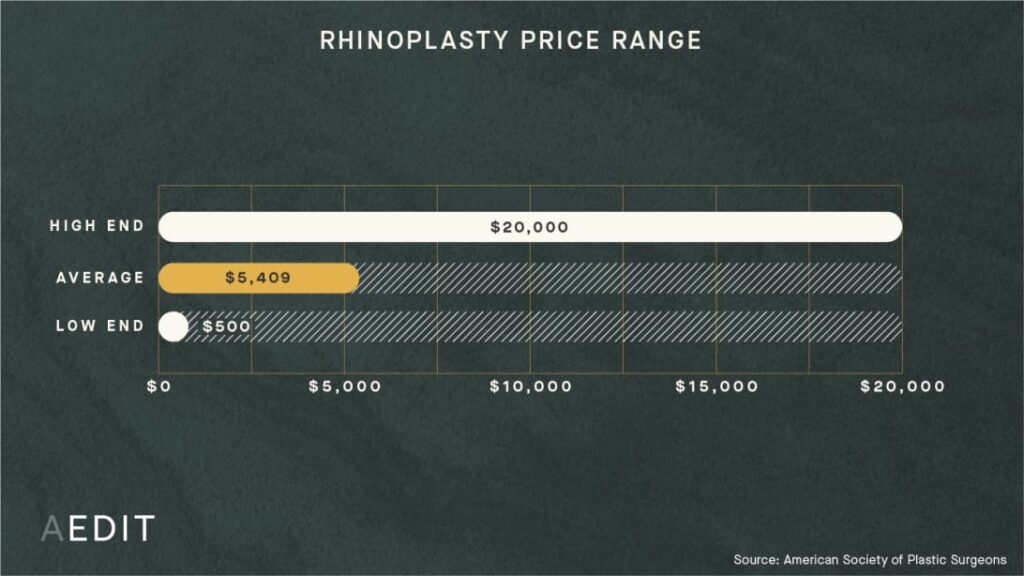
If you’re considering rhinoplasty, it’s important to have a clear understanding of the cost breakdown. From surgeon fees to insurance coverage, there are several factors that can influence the price of this procedure. By exploring each component in detail, you can make an informed decision and better plan for the financial aspects of rhinoplasty.

Surgeon Fees
One of the key components of the cost breakdown is the surgeon fees. The experience and expertise of the surgeon can significantly impact the price. Surgeons with a great deal of experience and a stellar reputation may charge higher fees due to their expertise. Additionally, the geographical location of the surgeon can also play a role in the cost, as fees tend to be higher in metropolitan areas where the demand for rhinoplasty is greater.
Anesthesia Fees
Another important factor to consider is the anesthesia fees. The type of anesthesia used during the procedure can affect the price. General anesthesia, which renders you completely unconscious during the surgery, is generally more expensive than local anesthesia, which numbs only a specific area. In addition to the type of anesthesia, the fees of the anesthesiologist who administers it also contribute to the overall cost.
Facility Fees
The facility fees involved in a rhinoplasty procedure include the costs associated with the hospital or surgical facility. These fees cover various aspects such as the use of the operating room, supplies, and equipment. Additionally, the fees may also include charges for the nursing staff who assist during the surgery. The size and prestige of the facility can impact these fees, with well-known centers often charging higher prices.
Cost of Pre-operative Lab Work
Prior to the rhinoplasty procedure, certain lab work is typically required. This may include blood tests, imaging tests such as X-rays or CT scans, and physical examinations. These tests help assess your overall health and ensure that you are a suitable candidate for surgery. The costs of these pre-operative lab work tests should be factored into the overall cost breakdown.
Cost of Post-operative Care
The expenses related to post-operative care should also be taken into account. This includes the cost of follow-up appointments with your surgeon to monitor your healing progress. Aftercare supplies such as dressings, splints, and nasal irrigation kits may also be necessary to aid in your recovery. Additionally, it is important to consider the potential for complications and the costs that may arise if further medical attention is required.
Medication Costs
The medications prescribed during the rhinoplasty recovery period can add up in terms of cost. Prescription pain medications are often required to manage any discomfort or pain following the surgery. Antibiotics may also be prescribed to prevent infection. Furthermore, nasal sprays or irrigations may be recommended to aid in the healing process. These medication costs should be taken into consideration when planning for the overall expense of the procedure.
Cost of Additional Procedures
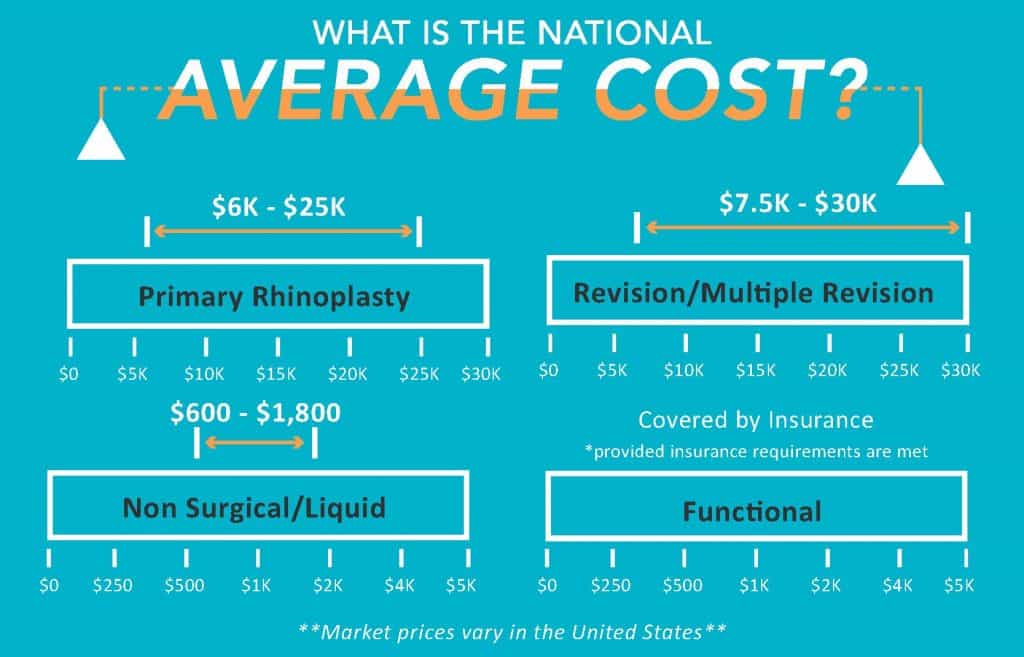
Sometimes, additional procedures may be necessary during a rhinoplasty. These may include a septoplasty, which addresses a deviated septum, or a turbinoplasty, which aims to improve nasal breathing by reducing the size of the turbinates. Additionally, grafts may be required to enhance the structure or shape of the nose. Each additional procedure comes with its own associated costs, which should be factored into the overall breakdown.
Cost of Revision Surgery
Although rare, there are instances where revision surgery may be necessary. This could be due to unsatisfactory results or unexpected complications. The reasons for revision surgery can vary, and it is important to understand the surgeon’s policy on revisions. Depending on the circumstances, revision surgery may incur additional costs, so it is important to clarify these details before proceeding with the initial rhinoplasty.
Geographical Location
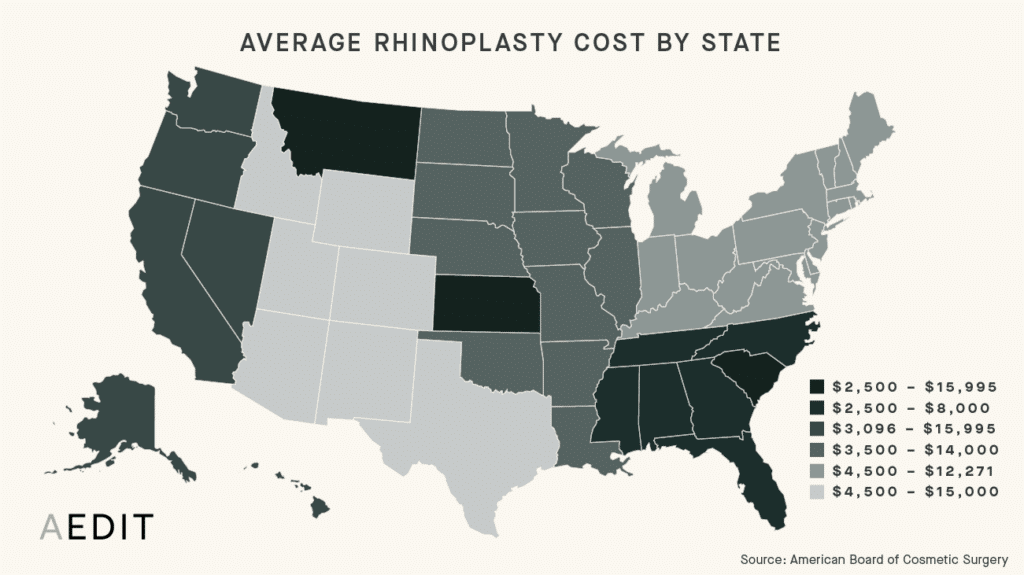
The geographical location in which you have the rhinoplasty procedure can affect the overall cost. As mentioned earlier, fees tend to be higher in metropolitan areas due to increased demand and higher operating costs. However, it is important to prioritize the qualifications and reputation of your chosen surgeon over the cost, as the quality of the procedure is of utmost importance.
Insurance Coverage
Lastly, it is crucial to consider the potential insurance coverage for your rhinoplasty procedure. While cosmetic rhinoplasty is typically not covered by insurance, functional rhinoplasty, which addresses breathing difficulties or other functional issues, may be partially or fully covered. It is important to review the terms of your insurance policy and consult with your insurance provider to determine what coverage, if any, is available for your specific situation.
In conclusion, understanding the cost breakdown of rhinoplasty is essential for making informed decisions and planning for the financial aspects of the procedure. Surgeon fees, anesthesia fees, facility fees, pre-operative lab work, post-operative care, medication costs, additional procedures, revision surgery, geographical location, and insurance coverage all contribute to the overall cost. By considering each component in detail, you can better prepare for the financial commitments associated with rhinoplasty.
